Rwenzori Marathon Puts Electric Mobility on Uganda’s Road to Sports Tourism
Long before sunrise on Saturday, August 22, Kasese was already awake. By about 3:30am, runners were gathering around the Equator at Kikorongo, roads were filling with participants and spectators, while residents prepared for a day that would transform the western Ugandan town into a hub of sport, tourism and business. By 5:30am, the fifth edition […] The post Rwenzori Marathon Puts Electric Mobility on Uganda’s Road to Sports Tourism appeared first on Daily Star.
 Black News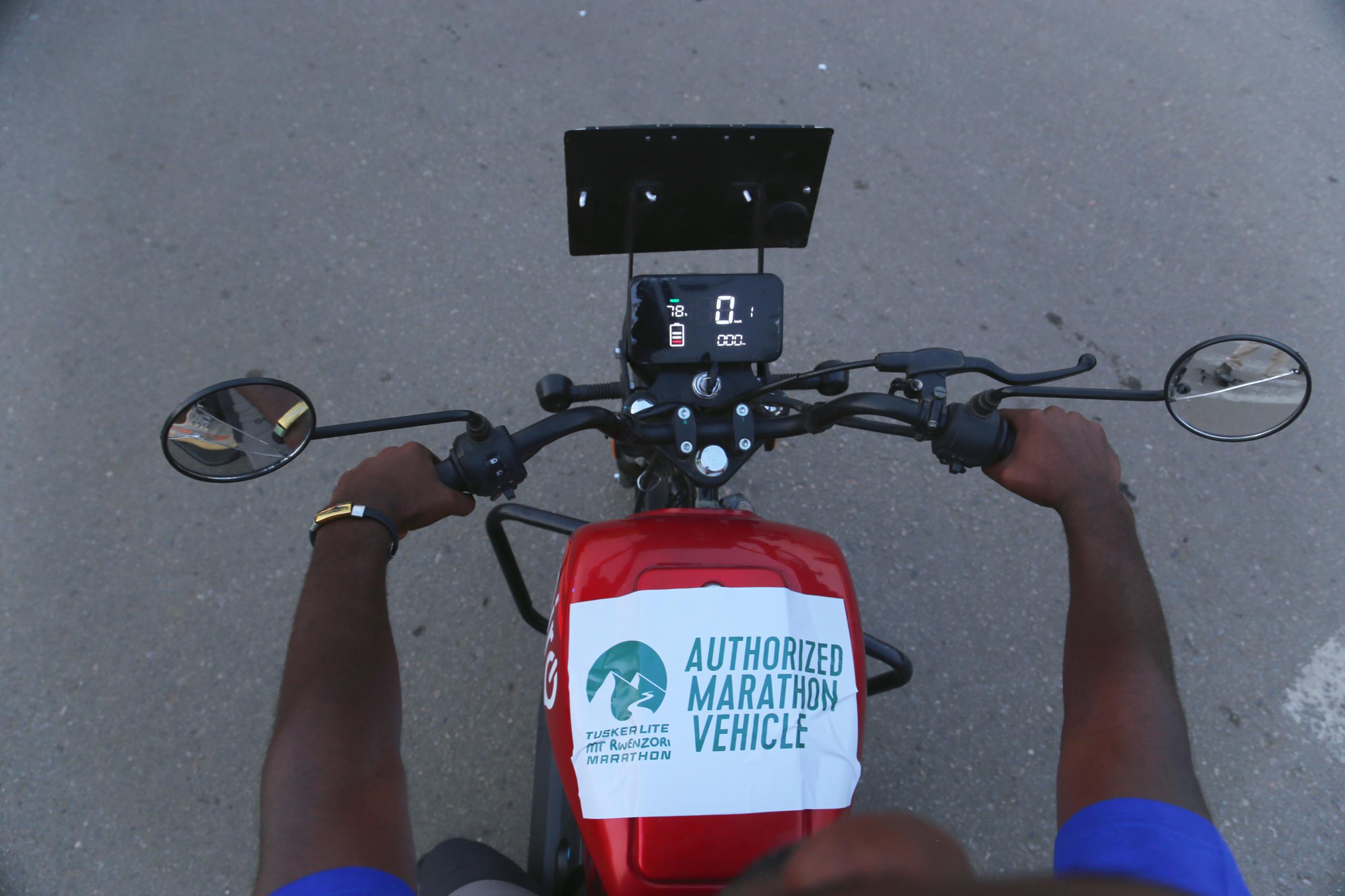

Long before sunrise on Saturday, August 22, Kasese was already awake. By about 3:30am, runners were gathering around the Equator at Kikorongo, roads were filling with participants and spectators, while residents prepared for a day that would transform the western Ugandan town into a hub of sport, tourism and business.
By 5:30am, the fifth edition of the Tusker Lite Rwenzori Marathon was under way, with thousands of athletes taking on routes stretching from the Equator towards Kasese against the backdrop of the Rwenzori Mountains. The 2026 race was bigger than previous editions, attracting more than 8,600 registered participants from 43 countries and, for the first time, earning World Athletics Label Road Race status. The designation made it Uganda’s first race to receive the status and one of only three such races in East Africa.
For Kasese, however, the marathon was not only about running. The event brought together sport, tourism, business, health and community activity, with hotels, restaurants, transport operators and other businesses benefiting from the influx of visitors. The route itself offered athletes a distinctive experience, beginning at the Equator inside Queen Elizabeth National Park before taking them along the road towards Kasese, with Lake George and the Rwenzori foothills forming part of the scenery.
The sporting competition was equally intense. Uganda’s Leonard Chemonges emerged victorious in the men’s 42.2-kilometre race, clocking 2:13:25 to set a new course record. He finished just 11 seconds ahead of compatriot Alex Mutai, who came second in 2:13:36, while Fred Cherotwo completed the podium in 2:13:49. Kenya’s Margaret Jepchumba won the women’s marathon in 2:39:15, ahead of Uganda’s Vanice Chemutai and Joan Chebet.
The winners also walked away with some of the biggest prizes in the race’s history. Chemonges and Jepchumba each received Shs40 million, with the 2026 edition carrying a total prize purse of Shs252 million. The prize money was increased significantly as the marathon marked its fifth anniversary and gained international recognition through the World Athletics designation.
But amid the runners, cheering crowds and celebrations, another form of mobility was quietly making its own statement.
Spiro Uganda, the official Green Mobility Partner of the 2026 Rwenzori Marathon, brought electric motorcycles to an event that provided an unusual public demonstration of Uganda’s emerging electric mobility sector. Rather than displaying the motorcycles merely as exhibition products, Spiro deployed them to support the media and medical teams moving along the marathon route.
Their presence placed electric motorcycles in the middle of one of Uganda’s largest public sporting events, giving runners, residents, tourists and businesses an opportunity to see the technology being used in a demanding environment.
The partnership also extended to the winners. Chemonges and Jepchumba each received a Spiro electric motorcycle alongside their Shs40 million cash prizes, putting electric mobility directly into the hands of the two athletes who conquered the headline race.
The decision to link green mobility with the marathon comes as Uganda continues to debate how its transport sector can become more affordable and environmentally sustainable. For many Ugandans, particularly boda boda riders, a motorcycle is not simply a means of transport. It is a source of income, a family livelihood and, in many cases, the difference between having an income and going without one.
This means the future of electric motorcycles will ultimately be judged not by publicity campaigns but by their usefulness to ordinary riders. Questions around battery life, charging infrastructure, range, road performance, maintenance and the initial cost of purchase remain important considerations.
The Rwenzori Marathon offered a practical setting in which some of those questions could begin to be tested. The motorcycles were deployed on the marathon route, moving personnel around an event that required constant coordination, medical support and media coverage.
Beyond the technology, the event demonstrated the growing relationship between sports and tourism. The government has increasingly positioned the marathon as a platform for showcasing Kasese and the Rwenzori region to domestic and international visitors. The World Athletics recognition has further raised the profile of the race, allowing it to attract international athletes and global attention.
For Kasese residents, the thousands of visitors meant more than a sporting spectacle. The marathon created demand for accommodation, food, transport, retail and other services, while also presenting the region’s natural attractions to visitors who might otherwise never have travelled there.
The race therefore offered two different but connected messages: Uganda can use sport to promote tourism, and major public events can provide platforms for introducing cleaner technologies.
The Rwenzori Marathon did not settle every question surrounding electric motorcycles. But as runners crossed the finish line and crowds celebrated the winners, the motorcycles moving alongside the race offered a glimpse of another race taking place on Uganda’s roads — the race to find cleaner, affordable and reliable ways of moving people and goods.
For Kasese, the marathon was about endurance. For Uganda’s tourism industry, it was about visibility. And for the electric mobility sector, it was an opportunity to show that the future of transport may already be running on Uganda’s roads.
The post Rwenzori Marathon Puts Electric Mobility on Uganda’s Road to Sports Tourism appeared first on Daily Star.