Sierra Leone’s 2008 wisdom and the cocaine challenge
Mohammed Kroma Esq: Sierra Leone Telegraph: 09 June 2026: In 2008, following the unauthorised landing of a plane carrying cocaine at Sierra Leone’s Lungi international airport, the country’s response was a radical strike against impunity: a Certificate of Emergency to enact the National Drugs Control Act. The Act redeemed the [Read More]
 Black News
Mohammed Kroma Esq: Sierra Leone Telegraph: 09 June 2026:
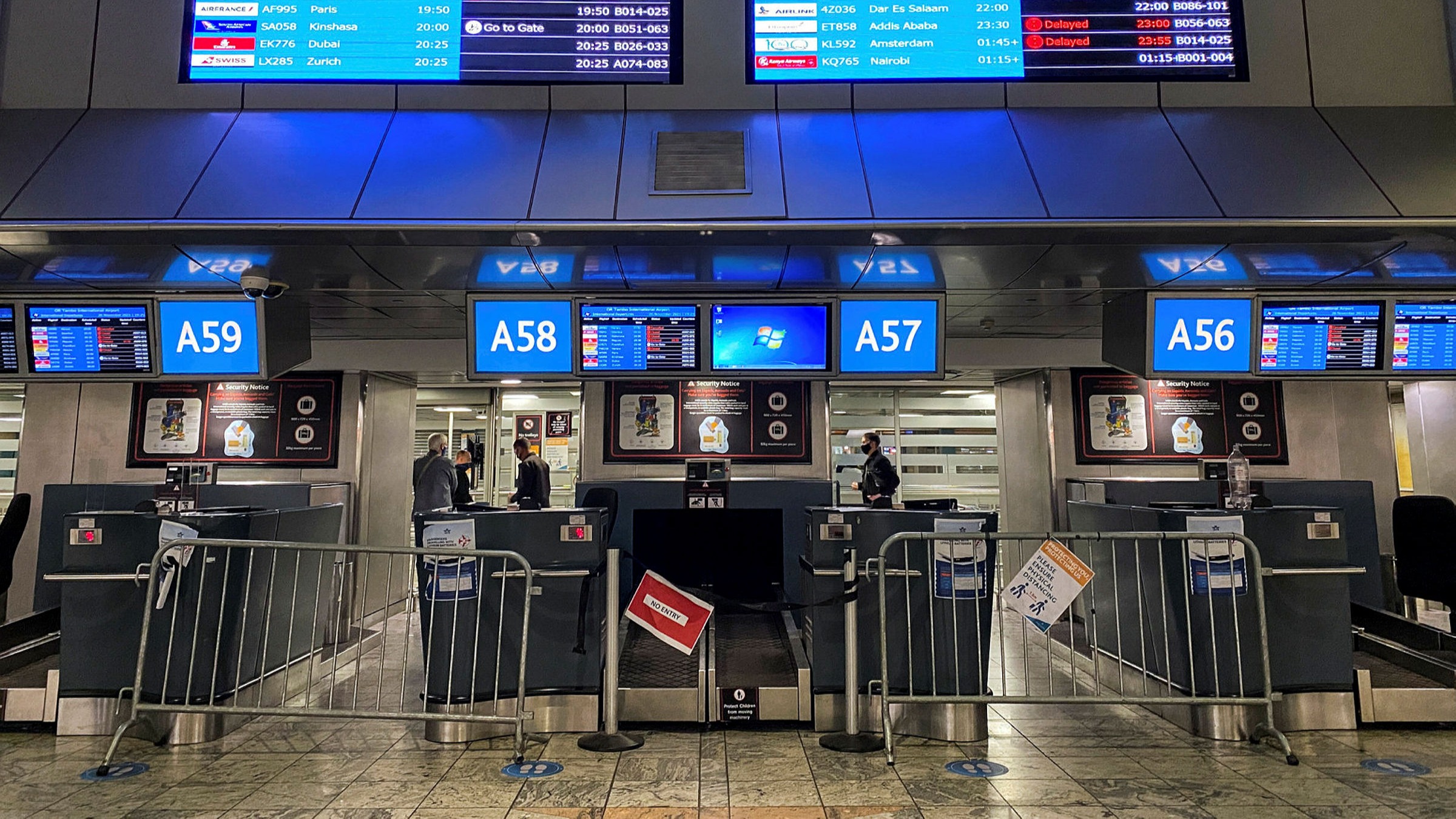
In 2008, following the unauthorised landing of a plane carrying cocaine at Sierra Leone’s Lungi international airport, the country’s response was a radical strike against impunity: a Certificate of Emergency to enact the National Drugs Control Act.
The Act redeemed the country because it prioritized sovereignty over discretion. That episode remains the blueprint for how the state must treat organized crime—as a national security emergency rather than an ordinary policing matter.
Today, the challenge has expanded beyond the airport to our harbours, our borders, and our diplomatic channels.
The problem is no longer just the seizure of drugs. It is the protection of routes, the survival of networks, the use of institutional blind spots, and the persistence of safe havens.
It is now time for concerted action towards the formulation of a Roadmap to stem this crisis.
A 90-DAY ROADMAP
PHASE 1: THE LEGISLATIVE STRIKE (Day 1–15)
The government should Issue a Certificate of Emergency for the immediate domestication of the UN Convention against Transnational Organized Crime (UNTOC). This erases the “no extradition treaty” loophole and provides the immediate authority to process extradition requests for transnational fugitives including Jos Leijdekkers (Bolle Jos/Omar Sheriff).
The law must stop being a shield for global organized crime.
PHASE 2: THE INSTITUTIONAL CLEANSE (Day 16–45)
Government must execute a mandatory Operational and Personnel Audit of TOCU and the security apparatus across all entry points: Lungi Airport, Freetown Harbour (Ports), land borders, and diplomatic routes.
Chokepoint integrity must be restored. Any system that allows suspicious movement to pass repeatedly without alarm has failed at the point of duty and must be corrected with urgency.
PHASE 3: THE JUDICIAL STRIKE (Day 46–60)

The Judiciary has already set the pace with the Practice Direction effective 1 December 2025, mandating High Court trials, a no-bail policy for drug offences, and 30-year minimum sentences under Section
7(a-c) of the 2008 Act. To solve the 2026 challenge, this must be expanded into a Special Transnational Crime Division. The judiciary must remain beyond suspicion: transparent process, consistent rulings, and unbroken integrity. This is the line between law enforcement and selective protection.
PHASE 4: THE INTERNATIONAL PIVOT (Day 61–90)
Proactive submission of a Compliance Verification Report to the EU to safeguard the €352 million development fund. The state should present
proof: clear legal domestication, verified enforcement, and active disruption of trafficking routes. The narrative must shift from safe haven to enforcement jurisdiction.
Sierra Leone must be defined by its response. The 2008 Wisdom proved we can resolve high-stakes crises through radical legal surgery.
The present problem is not softness in domestic drug sentencing; it is the enforcement gap at the borders, harbours, and extradition architecture.