Top 10 best-performing African countries in 2026, according to latest ranking
Africa is changing fast, and the old ways of measuring success don’t tell the full story anymore. Instead of just looking at GDP or income levels, a new ranking is taking a wider view of how countries are actually performing on the ground.
 Black News

Africa is changing fast, and the old ways of measuring success don’t tell the full story anymore. Instead of just looking at GDP or income levels, a new ranking is taking a wider view of how countries are actually performing on the ground.
- Business Insider Africa presents the top 10 best-performing African countries in 2026, according to latest ranking.
- The list is courtesy of Jeune Afrique and The Africa Report.
- South Africa ranks first in Africa’s 2026 performance index, driven by strong scores in influence and innovation.
Africa is changing fast, and the old ways of measuring success don’t tell the full story anymore. Instead of just looking at GDP or income levels, a new ranking is taking a wider view of how countries are actually performing on the ground.
Africa’s best-performing countries in 2026 are assessed across governance, influence, and innovation, offering a more forward-looking picture of national strength.
Developed by Jeune Afrique and The Africa Report, the index uses 24 indicators to measure how effectively states are governed, how much weight they carry globally, and how prepared they are for the future through education, startups, and technology.
Below are the top 10 best-performing African countries in 2026, according to latest ranking:
1. South Africa
South Africa ranks first in Africa’s 2026 performance index, driven by strong scores in influence and innovation. The country maintains outsized diplomatic and cultural weight through its membership in the G20 and BRICS, alongside a deep academic and scientific ecosystem. Its financial markets and entrepreneurial base remain among the most developed on the continent, supporting steady innovation output. However, governance challenges continue to weigh on its overall trajectory, reflecting institutional inefficiencies and inequality pressures.
2. Mauritius
Mauritius climbs to second place, reflecting its reputation as one of Africa’s most stable and business-friendly economies. Strong governance institutions, predictable regulation, and an open investment climate continue to attract foreign capital. The country has successfully diversified beyond tourism into financial services, fintech, and offshore business activity, strengthening resilience.
3. Namibia

Namibia records the greatest improvement in the 2026 rankings, rising to third place. Its progress is driven by political stability, improving governance systems, and better fiscal management, including stronger tax collection capacity. The country’s natural resource base, particularly in mining and emerging green hydrogen projects, continues to attract international attention.
4. Morocco
Morocco ranks fourth, reinforcing its position as one of Africa’s most consistent performers. The country benefits from sustained investments in infrastructure, renewable energy, manufacturing, and sports diplomacy. Its strategic location linking Africa and Europe supports trade and tourism flows, while industrial hubs such as Tangier continue to expand export capacity. Morocco’s innovation ecosystem is also growing, particularly in the automotive and green energy sectors.
5. Nigeria
Nigeria ranks fifth, reflecting its paradox of scale and structural weakness. As one of Africa’s largest economies and most populous nation, it remains a major force in influence and innovation, particularly in fintech, entertainment, and startups. However, weak governance indicators, debt pressures, and institutional inefficiencies weigh on its overall score. Despite this, Nigeria’s entrepreneurial ecosystem continues to attract significant investment, and its cultural exports remain globally dominant.
6. Egypt

Egypt ranks sixth but experiences a decline in position due to macroeconomic pressures. High debt levels exceeding 90% of GDP, currency challenges, and weaker regional integration have slowed its momentum. However, it remains strategically influential due to its geographic position, large population, and diplomatic weight. Egypt continues to invest in infrastructure megaprojects, education reform, and urban expansion, such as the New Administrative Capital.
7. Rwanda
Rwanda holds seventh place, driven by strong governance, efficient public administration, and consistent policy execution. The country is widely recognised for its ease of doing business and digital governance systems. Kigali has positioned itself as a regional hub for conferences, aviation, and services. Innovation is supported by targeted investments in technology and education. While its economy remains small, Rwanda’s institutional discipline and long-term planning continue to elevate its continental reputation.
8. Ghana
Ghana ranks eighth, reflecting a balance between democratic stability and economic challenges. It remains one of West Africa’s most influential economies, supported by gold, cocoa, and oil exports. However, fiscal pressures and debt concerns have affected recent performance. Ghana’s innovation ecosystem is growing steadily, particularly in fintech and digital services, supported by a young entrepreneurial population.
9. Côte d’Ivoire
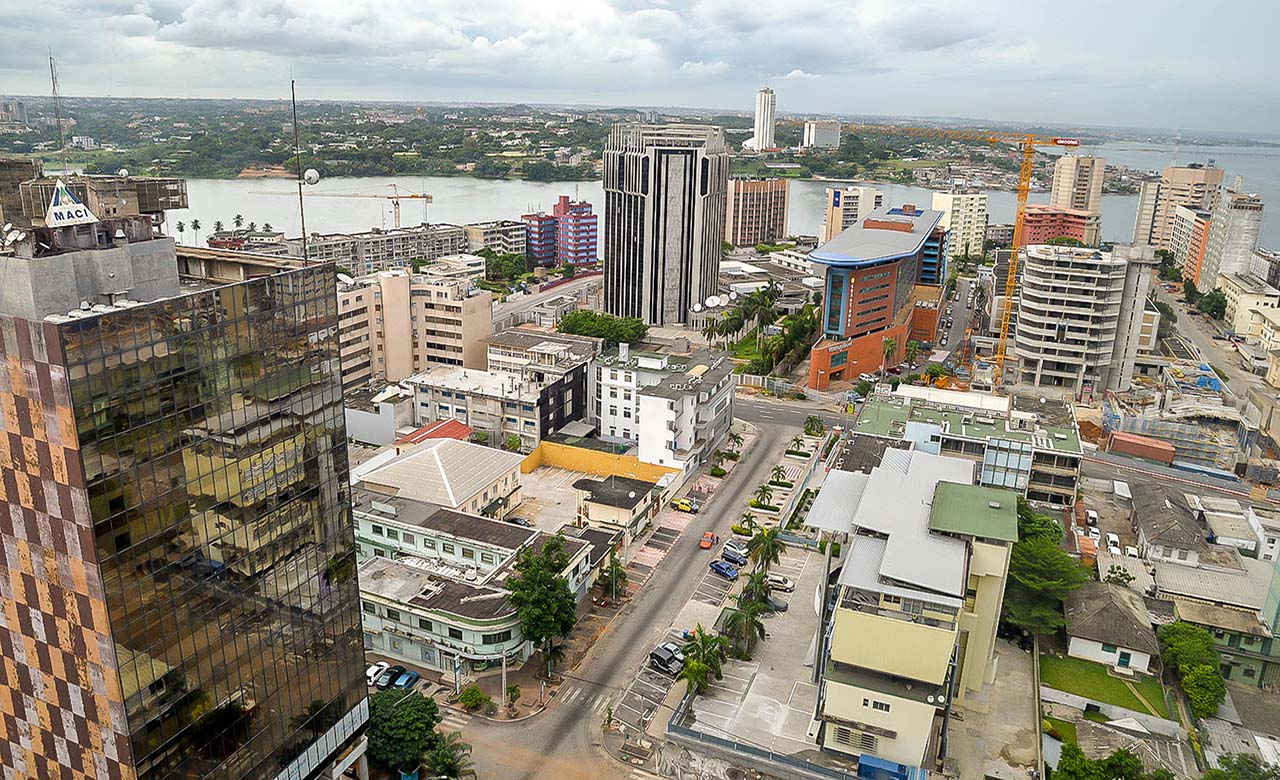
Côte d’Ivoire ranks ninth, continuing its rise as one of West Africa’s fastest-growing economies. Strong infrastructure investment, political stability, and export diversification have strengthened its position. The country has become a major regional hub for agriculture, energy, and manufacturing. Abidjan’s growing financial and logistics ecosystem reinforces its influence dimension.
10. Kenya
Kenya completes the top ten, driven by its leadership in innovation and digital transformation. Nairobi remains one of Africa’s most important startup and fintech hubs, supported by strong mobile money infrastructure. The country also benefits from regional diplomatic influence and a diversified service-based economy. However, governance and debt challenges remain constraints. Kenya’s innovation strength continues to offset structural weaknesses, keeping it among Africa’s most forward-looking economies.