UMC defies IEC warning, vows to register ‘no matter what’
Speaking in an interview with Eye Africa TV on Friday, UMC spokesperson Kemo Bojang struck a defiant tone, insisting that the movement remains focused and confident about its political future. “Our plan A is to register Unite as a political party, and plan B is that Unite will be a registered political party,” Bojang said, making it clear that the group sees no alternative to achieving official party status. His comments come amid growing debate following the IEC’s caution against movements holding congresses, a position that has raised questions about the political space available to emerging groups like UMC. But Bojang dismissed suggestions that the movement could be blocked, arguing that such claims hold no weight. “We heard people saying that Unite will not be registered, but those people are not God, and they are not the law, and we believe that the IEC will do the right thing,” he said. The UMC spokesperson maintained that while administrative processes may cause delays, the outcome is inevitable. According to him, the movement’s push to become a recognised political party is grounded in rights that cannot be taken away. “Nobody has the right to stop Unite. They can delay, but they cannot deny us the opportunity to become a political party. That is our fundamental right,” Bojang stated. Despite the uncertainty surrounding the IEC’s stance, UMC appears determined to press ahead, framing its registration bid not just as a procedural step, but as a matter of principle and political entitlement.
 Black News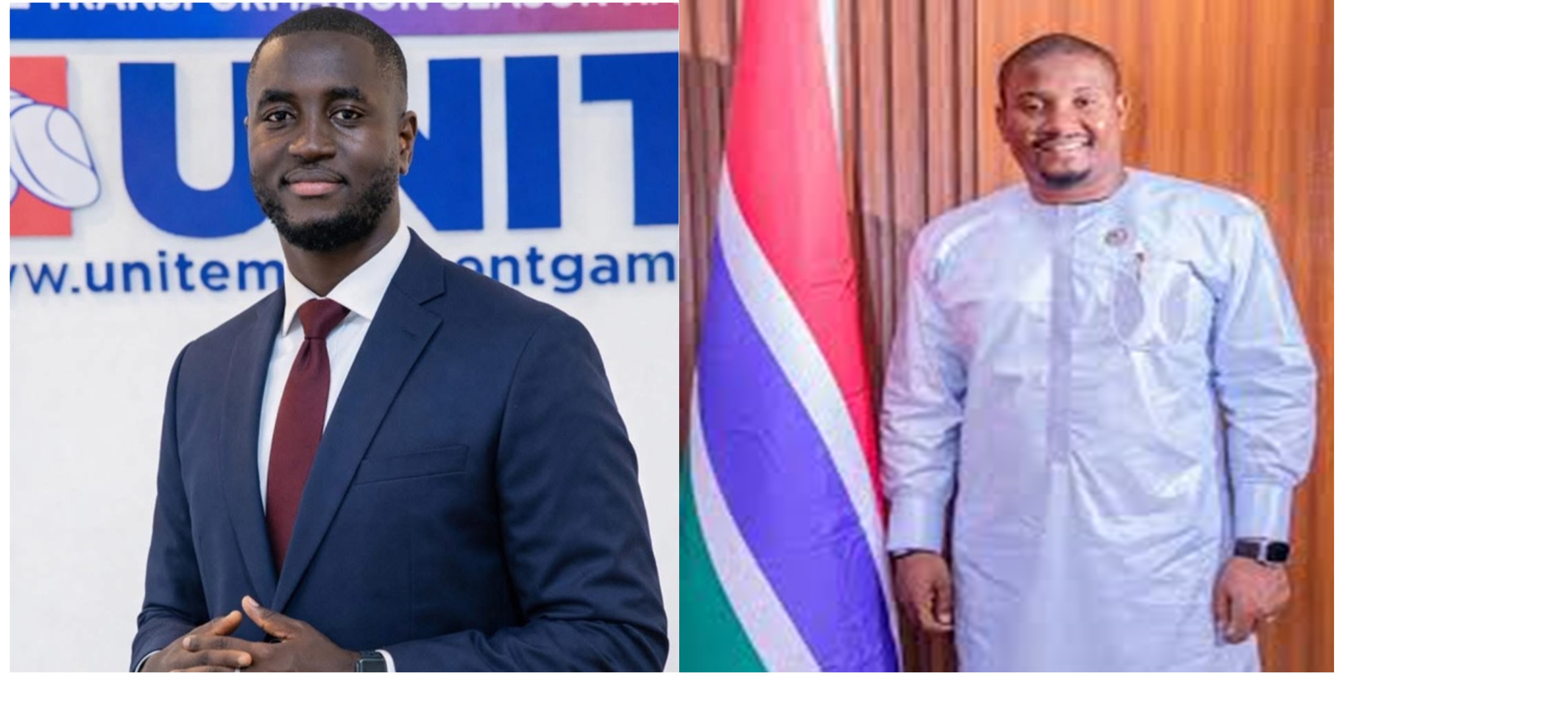

Speaking in an interview with Eye Africa TV on Friday, UMC spokesperson Kemo Bojang struck a defiant tone, insisting that the movement remains focused and confident about its political future.
“Our plan A is to register Unite as a political party, and plan B is that Unite will be a registered political party,” Bojang said, making it clear that the group sees no alternative to achieving official party status.
His comments come amid growing debate following the IEC’s caution against movements holding congresses, a position that has raised questions about the political space available to emerging groups like UMC.
But Bojang dismissed suggestions that the movement could be blocked, arguing that such claims hold no weight. “We heard people saying that Unite will not be registered, but those people are not God, and they are not the law, and we believe that the IEC will do the right thing,” he said.
The UMC spokesperson maintained that while administrative processes may cause delays, the outcome is inevitable. According to him, the movement’s push to become a recognised political party is grounded in rights that cannot be taken away.
“Nobody has the right to stop Unite. They can delay, but they cannot deny us the opportunity to become a political party. That is our fundamental right,” Bojang stated.
Despite the uncertainty surrounding the IEC’s stance, UMC appears determined to press ahead, framing its registration bid not just as a procedural step, but as a matter of principle and political entitlement.