2 years after ending US military ties, AES state seeks American investors for its $2.8 billion oil industry
Two years after ending military cooperation with the United States and withdrawing American forces from its territory, Niger is seeking to deepen economic ties with Washington by actively courting US companies, investors and institutions to develop its oil and gas industry.
 Black News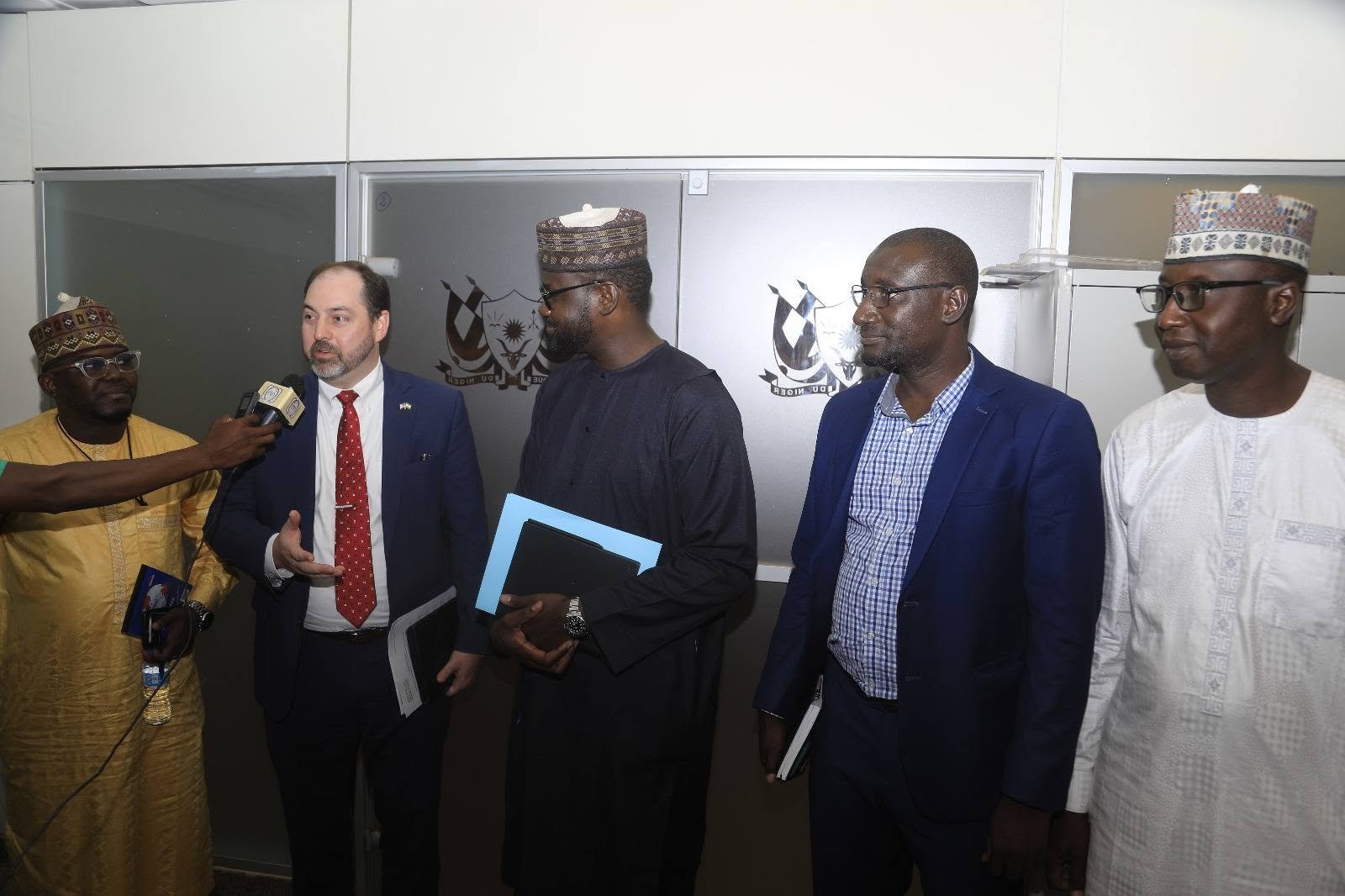


Two years after ending military cooperation with the United States and withdrawing American forces from its territory, Niger is seeking to deepen economic ties with Washington by actively courting US companies, investors and institutions to develop its oil and gas industry.
- Niger seeks to deepen economic ties with the US by inviting American investment and expertise into its oil and gas industry.
- This initiative follows the withdrawal of US military forces from Niger and a shift in the country's foreign alliances after the 2023 coup.
- Niger presented partnership opportunities to the US, especially in gas development, oil exploration, data management, and skills training.
- Despite China's large investment in Niger's oil sector, Niger aims to diversify partnerships to avoid dependence on a single country.
The move emerged from a meeting in Niamey on August 18 between US Embassy Chargé d'Affaires Ryan Grizzle and Abdoulkarim Mohamed Ali, Secretary General of Niger's Ministry of Petroleum.
Following a request from the US diplomat for an audience, Nigerien officials presented the American delegation with investment and partnership opportunities across the country's petroleum sector.
DON'T MISS THIS: US military to pull out from Niger
According to Niger Fr (@NigerAr), an X account focused on developments across the Alliance of Sahel States (AES), Niger specifically asked the US Embassy to help identify and connect the Ministry of Petroleum with American companies, investors, research centres, universities and training institutions capable of providing investment, technology and technical expertise.
The outreach is significant for a country that has sharply altered its foreign partnerships since the 2023 military coup, moving away from traditional Western allies while deepening economic and strategic relations with China and Russia.
Niger opens oil sector to American capital and expertise
Among the opportunities presented to the US delegation was the development of associated gas, particularly for electricity generation and urea production. Niger also highlighted mature oil blocks that are open to new partners and identified its need for technology, financing and specialised technical expertise.
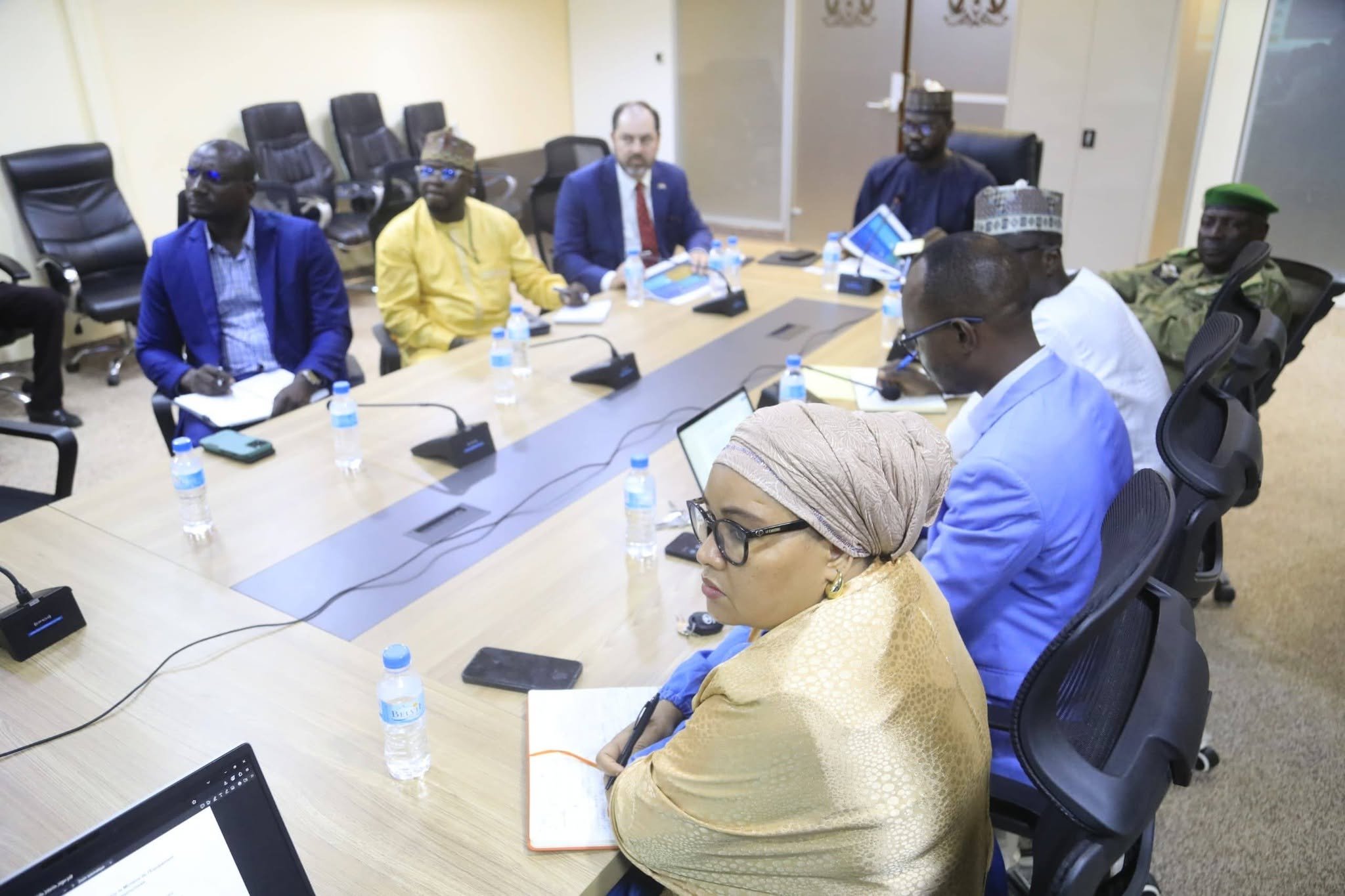
The discussions extended beyond upstream oil production. Niger proposed cooperation in oil exploration, drilling and oilfield services, as well as the creation of a national oil data bank and an integrated system for the government to monitor data from the country's crude export pipeline.
DON'T MISS THIS: US courts Mali, Niger and Burkina Faso as Russia expands Sahel footprint
The ministry also sought American support for training and skills development, including partnerships with US universities and specialised training institutions.
Digital transformation and the implementation of Niger's local-content strategy were also identified as priority areas for cooperation.
Niger's oil industry is becoming increasingly important to its economy. The country currently produces around 110,000 barrels of crude per day, equivalent to roughly 40 million barrels annually. At an illustrative oil price of $70 per barrel, that production represents approximately $2.8 billion in annual gross crude value.
China already has a major foothold in the sector, with more than $5 billion reportedly invested in Niger's oil industry, including oilfield development, a refinery and a roughly 1,950-kilometre export pipeline. Niger is also targeting an increase in production to 145,000 barrels per day by 2029.
The latest outreach therefore does not necessarily signal a retreat from China's role or Niger's broader relationship with Russia. Instead, it reflects Niamey's stated objective of diversifying its technical, technological, economic and institutional partnerships.
DON'T MISS THIS: Niger plans West Africa’s third-largest refinery with $1.9 billion project as it targets regional energy hub status
The Ministry of Petroleum said the approach is intended to broaden Niger's partner base, mobilise new expertise and strengthen the country's sovereign control over its natural resources.
For Washington, the opening provides an opportunity to rebuild economic engagement with an AES member from which US forces were withdrawn in 2024. For Niger, bringing American companies and institutions into its oil sector could provide additional sources of capital, technology and expertise without making the country dependent on a single foreign partner.
The two sides agreed to continue discussions to identify potential American partners and develop cooperation around investment, technological innovation, skills transfer and local-content development.