Africa’s poorest countries are sending more money abroad than they receive to build their economies
Africa’s poorest economies are sending more money to foreign creditors than they are receiving to build roads, factories and power plants, a reversal of the capital flows economists say are needed for developing countries to grow.
 Black News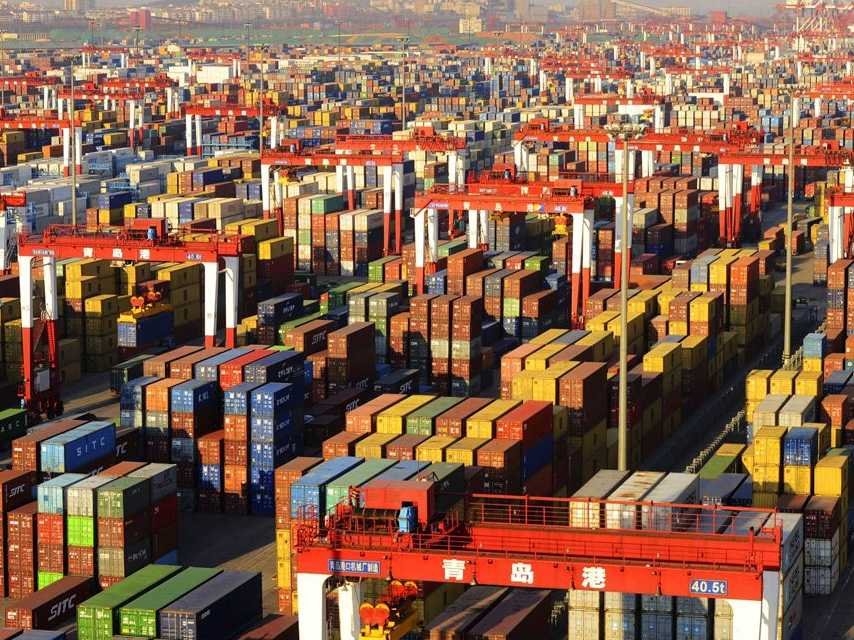
Africa’s poorest economies are sending more money to foreign creditors than they are receiving to build roads, factories and power plants, a reversal of the capital flows economists say are needed for developing countries to grow.
- Africa’s 38 low-income countries face an estimated $120 billion external financing gap in 2026.
- The shortfall comes as developing countries repay more to foreign creditors than they receive in fresh financing.
- A new Ferdi report warns the trend is slowing investment and widening Africa’s infrastructure deficit.
- China, aid cuts and global capital flows are reshaping the continent’s financing landscape.
That contradiction sits at the heart of a new report by French development think tank Ferdi, which estimates that 38 low-income African countries face an external financing gap of about $120 billion in 2026 if they are to raise investment to levels associated with the rapid industrialisation achieved by several Asian economies.
The report comes as global financing conditions become increasingly difficult for poorer nations.
According to the World Bank, low- and middle-income countries paid $741 billion more in principal and interest on external debt between 2022 and 2024 than they received in new external financing, the largest net capital outflow recorded in at least half a century.
For countries expected to import capital to finance development, the trend represents a sharp reversal.
Instead of attracting the investment needed to expand infrastructure, manufacturing and energy capacity, many are directing scarce financial resources towards servicing existing debt.
“The net inflow of foreign savings has been both insufficient to drive a catch-up in capital per head and sufficient to generate unsustainable debt in many countries,” the Ferdi report said.
![Ferdi estimates low-income African countries need about $165 billion in annual investment between 2026 and 2030 to support faster economic growth.[Per-Anders Pettersson/Getty Images]](https://ocdn.eu/pulscms/MDA_/0903912d8e5b74d89e20dfd6fc14bee4.jpg)
The investment gap
Ferdi argues that sustained economic transformation requires investment equivalent to about 30% of gross domestic product (GDP), a level broadly comparable to that achieved by several high-growth Asian economies during their industrial expansion.
By that measure, the report estimates Africa’s low-income economies require around $165 billion in investment annually between 2026 and 2030.
Domestic savings are expected to finance much of that amount, but an estimated $120 billion would still need to come from external sources.
DON'T MISS THIS: Kenya gains an extra $250 million after converting $5 billion loan to Yuan
The challenge is enormous because Africa starts from a much lower capital base than the rest of the world.
According to World Bank data cited by Ferdi, average capital stock stood at about $1,200 per person across the countries studied in 2019, compared with a global average of roughly $32,000.
That gap is reflected in everyday infrastructure. Lower investment means fewer roads, ports, electricity networks, factories and logistics systems, assets that typically underpin productivity, industrialisation and job creation.
When deficits become permanent
Many developing economies run current-account deficits as they import machinery, equipment and technology to accelerate growth.
Over time, stronger exports are expected to narrow those deficits. But Ferdi argues many African countries have remained trapped in that first stage.
Eighteen of the 38 African countries examined have not recorded a single current-account surplus since 2000, according to the report.
Even where surpluses have emerged, they have not always reflected stronger economic performance.
Ghana, for example, recorded a current-account surplus after its debt default, but the report notes this largely reflected weaker imports and reduced investment following its loss of access to international capital markets rather than a fundamental improvement in competitiveness.
Global savings, different destinations
One of the report’s central arguments is that Africa’s financing challenge is unfolding despite an abundance of global savings.
Large surplus economies such as China and the European Union continue to generate hundreds of billions of dollars in excess savings each year.
DON'T MISS THIS:Zambia becomes the first African country to take mining taxes in China’s yuan
However, rather than flowing into infrastructure and productive investment across poorer countries, much of that capital is invested in advanced economies, particularly the United States, where investors perceive lower risks and deeper financial markets.
Ferdi estimates that redirecting a relatively small share of those surplus savings could significantly narrow the financing gap facing the world’s poorest countries.
China’s lending boom has turned into a repayment cycle
The report argues that Africa’s financing challenge has become more complicated as China’s role as the continent’s largest bilateral lender evolves.
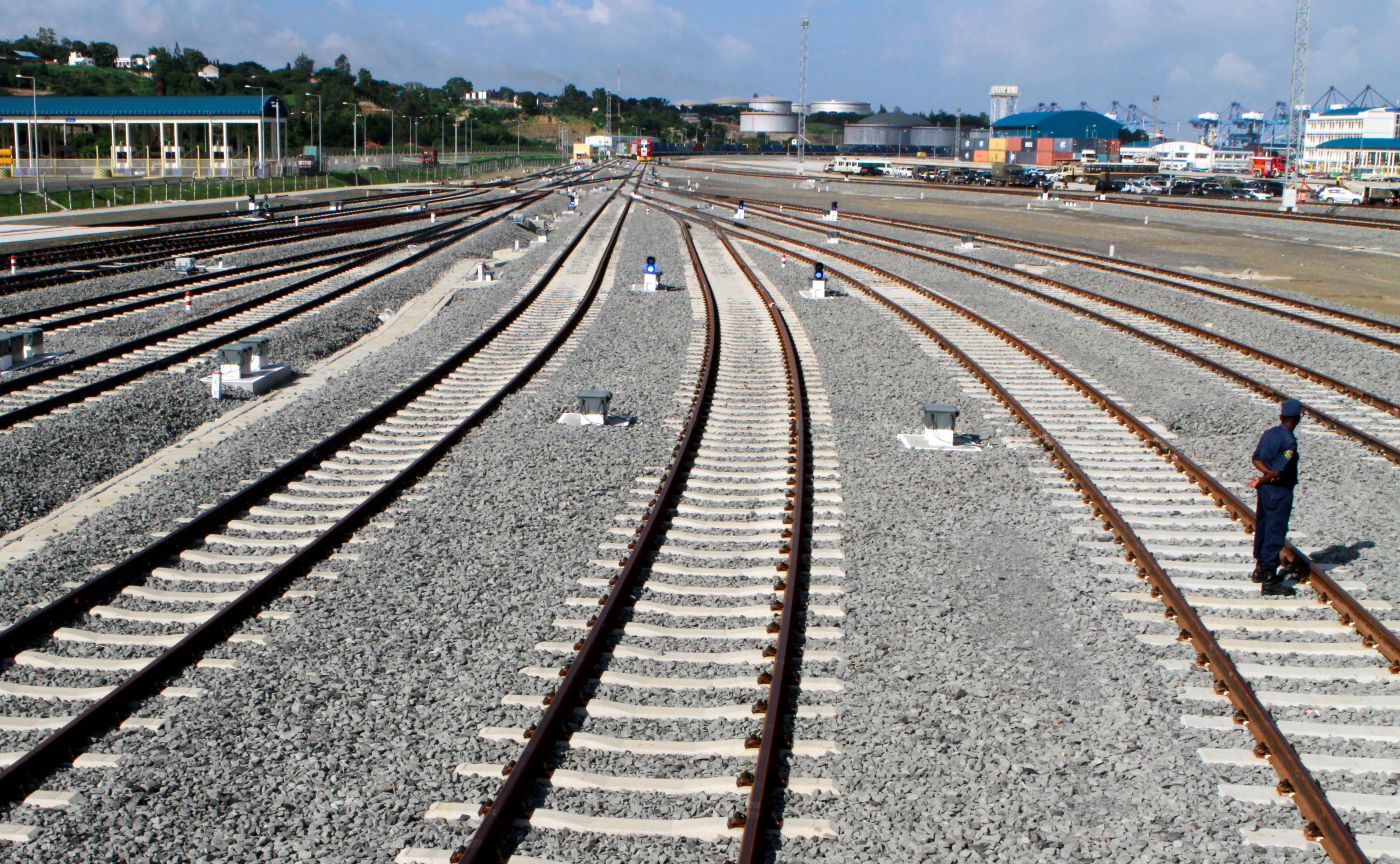
For more than a decade, Chinese financing helped fund roads, railways, power projects and other infrastructure across Africa. But that model has shifted.
According to Ferdi, new Chinese lending has fallen sharply since reaching its peak in 2015. By 2019, debt-service payments by low-income African countries had overtaken fresh Chinese loan commitments. Today, repayments are estimated to be about four times larger than new lending.
China now holds about 10% of the external debt of the African countries covered in the report and more than half of their bilateral debt, making it the largest bilateral creditor for 23 of the 38 countries studied.
The shift is already influencing government policy.
Kenya converted $3.5 billion of its dollar-denominated debt into yuan in 2025 in an effort to lower borrowing costs, while Zambia began allowing mining companies to pay certain taxes in the Chinese currency, reflecting Beijing’s growing influence in African finance.
Trade tells a similar story
The financing challenge is reinforced by Africa’s trade relationship with China.
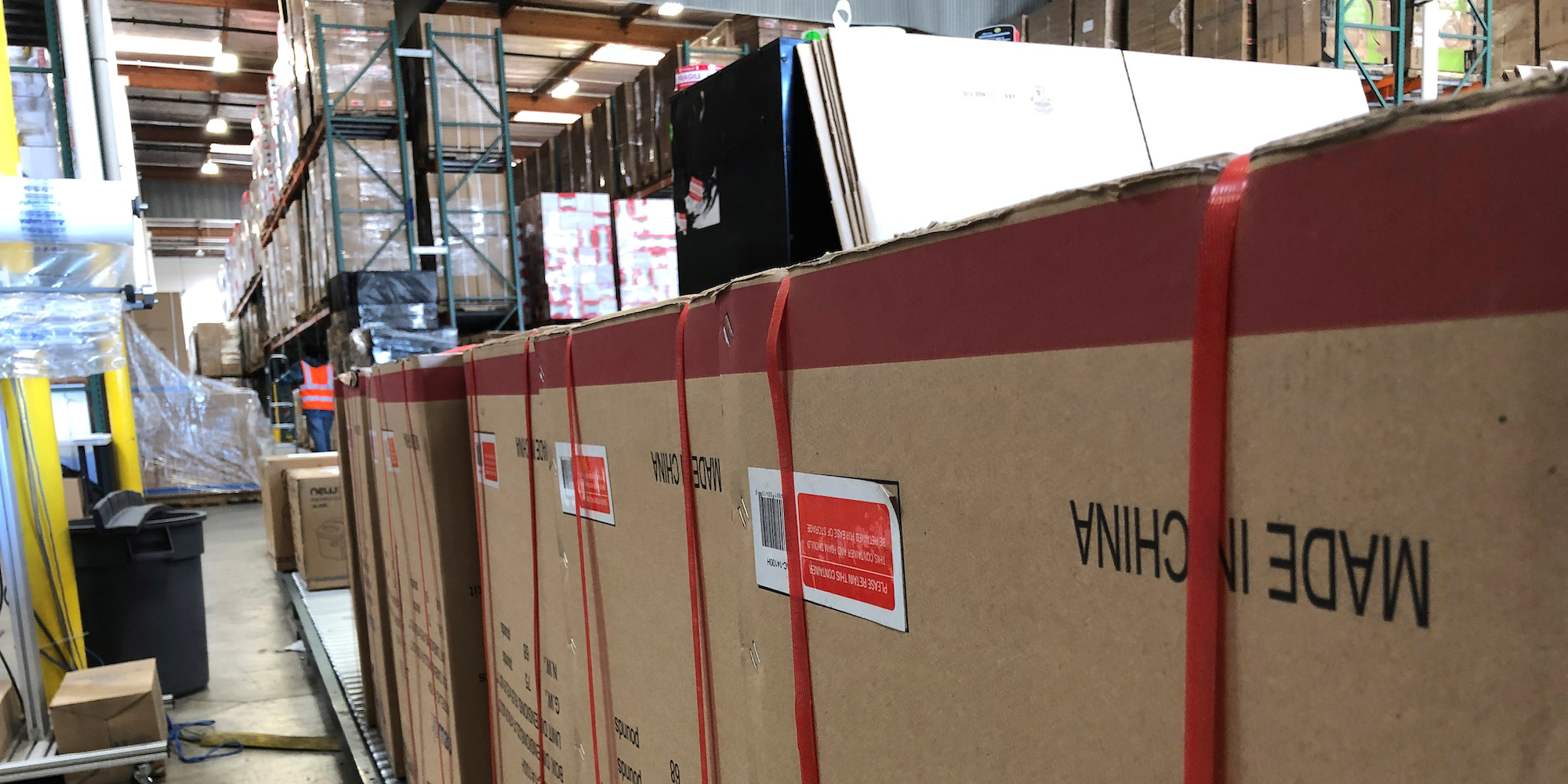
The report estimates that the 38 African countries recorded a $91 billion goods trade deficit with China in 2024, accounting for about three-quarters of their overall trade deficit.
The imbalance is not only about size but also composition.
Minerals and hydrocarbons, including copper, cobalt and other critical minerals, made up 88% of the group’s exports to China, while 93% of imports from China consisted of manufactured products.
In other words, many African economies continue to export raw materials while importing finished goods, limiting opportunities to build domestic manufacturing industries and create higher-value jobs.
That pattern has become even more significant as global demand for critical minerals accelerates.
China remains the world’s dominant processor of many strategic minerals used in electric vehicles, batteries and clean energy technologies, giving it a central role in global supply chains even when the raw materials originate in Africa.
DON'T MISS THIS: Here are ways China is expanding the Yuan’s footprint in Africa to reduce dollar dependence
Tariffs created new winners, but not Africa
The report also challenges expectations that rising trade tensions between the United States and China would trigger a wave of manufacturing investment into Africa.
When Washington imposed tariffs on Chinese goods during the first US-China trade dispute, manufacturers largely shifted production to countries such as Vietnam, Bangladesh and Mexico instead.
Vietnam alone increased its share of global textile exports by 4.6 percentage points between 2012 and 2024, while the combined gains recorded by the African countries studied were negligible.
At the same time, Chinese manufacturers increasingly sought new export markets.
Chinese exports to Africa rose sharply in 2025, intensifying competition for local producers already struggling with higher production costs, limited infrastructure and constrained access to finance.
Ferdi argues that Beijing’s expanding zero-tariff access for African exports, while welcome, is unlikely on its own to transform trade patterns unless productivity improves significantly across the continent.
Aid is shrinking as financing needs grow
External assistance is also becoming less reliable. According to preliminary OECD figures cited in the report, official development assistance fell 23.1% in real terms in 2025, the steepest annual decline on record.
The poorest countries have been among the hardest hit. Their share of global grant-based aid has steadily declined over recent years, even as debt burdens have increased and financing conditions have become more restrictive.
Rather than calling simply for more borrowing, Ferdi argues that international policymakers should focus on directing scarce concessional finance towards the poorest economies while making trade work better for African producers.
Its recommendations include strengthening the African Continental Free Trade Area through a continent-wide payments and clearing mechanism that would allow businesses to trade more easily using local currencies, reducing dependence on scarce US dollars.
The report also urges advanced economies to simplify trade rules and improve market access for African exports instead of relying solely on traditional aid programmes.
The recommendations come at a critical moment. The future of the African Growth and Opportunity Act (AGOA), which provides preferential access to the US market for eligible African exports, remains uncertain beyond 31 December 2026 after Congress approved a temporary extension earlier this year.
For many low-income African economies, losing that access would further narrow export opportunities at a time when financing conditions are already under severe strain.
The bigger picture
Ferdi’s report ultimately argues that Africa’s financing challenge is not simply a debt problem or an aid problem. It is an investment problem.
Without sufficient long-term capital flowing into productive sectors, countries struggle to build the infrastructure, industries and export capacity needed to generate sustainable growth.
As debt repayments increasingly exceed new financing and global capital continues to flow towards advanced economies, many of Africa’s poorest countries risk falling further behind, not because investment opportunities are lacking, but because the financing needed to unlock them remains out of reach.