How Megan Thee Stallion's 'Megalations' Became the Hottie Bible
On April 15, 2026, Megan Thee Stallion posted a story on Instagram that sent the internet spiraling. Up in arms, women across the world wide web sounded war cries to defend the honor of theeeee beloved Hot Girl. When people learned of now-ex-boyfriend Klay Thompson's infidelity, Etsy Witches were invoked to curse the wrongdoer, comment sections spilled over with resentment directed at the basketball player, while TikTok editors wielded their tools of transgression to make lowlights of Thompson's career. After the story broke, lyrics from the scriptures of Thee Stallion were passed around like emergency literature.The word of Megan — affirmations and teachings drawn from her lyrics, for which the internet coined the term Megalations — was pulled with great reverence from the “Baddie Bible” to resurrect the Hot Girl™ who rises after the sincerity of the Lover Girl has been tested. TikTok and Instagram were flooded with videos of fans with their eyes tightly shut, hands folded in prayer, reciting the Megalations in earnest as a Megan Thee Stallion song plays in the background. The movement functioned as a communal process of deprogramming from the entanglements of male validation. When Megan says “Dick don’t run me, I run dick,” shake yourself out of delirium, leave situations that no longer serve you with urgency, and consider yourself saved from further harm. Following the flurry of Megalations, on June 2, Megan Thee Stallion teased a snippet of an unreleased song on an Instagram reel, rapping “All that wifey shit is dead / Put that shit to bed,” leaving her fans in anticipation for a track to kick off hot girl, single summer.But the internet’s canonization of the artist’s words is not new. @hallehallle megalations 4:16 #prayersup #girlhood #megantheestallion #streets #amen The first song this writer heard by Megan Thee Stallion was at the start of the COVID-19 pandemic. Before TikTok was invariably banned in India, robbing me of my chance at social media fame, my sister and I recorded the viral dance to “Savage” in our childhood bedroom. When the Houston rapper began the song claiming: “I’m that bitch / Been that bitch, still that bitch / Will forever be that bitch” it shifted the tectonic plates of my spirit. The Book of Meg was being written and I was there to witness it, even from halfway across the world. In early 2018, Megan Thee Stallion signed with 1501 Certified Entertainment, becoming the first female rapper on the label. That June, she released the EP Tina Snow, named after her brazen, no-holds-barred alter ego. The standout track, "Big Ole Freak," officially charted at number 65 on the Billboard Hot 100 in May 2019. Her debut commercial mixtape, Fever, was announced on May 8, 2019, introducing "Hot Girl Meg" to the world. On August 8th, Megan Thee Stallion uploaded "Hot Girl Summer ft. Nicki Minaj & Ty Dolla $ign" to YouTube and the track earned over one million views and 129,000 likes in a day. The term #hotgirlsummer quickly gained traction on Twitter, and fans admitted they had no choice but to obey Thee Stallion’s commandments for the season.From there, her career trajectory climbed. Her studio album Good News, debuted in November 2020, peaking at number 2 on the Billboard 200. Beyoncé and Megan Thee Stallion's "Savage (Remix)" was released on April 29, 2020, becoming Megan Thee Stallion's first number one on the Billboard Hot 100. In this time, she also graduated from Texas Southern University in December 2021 with a degree in health administration, and trademarked "Hot Girl Summer" in 2022. It seemed as though Thee Stallion’s race to glory was inevitable.But Megan's rise to mainstream fame had always been shadowed by significant personal loss and public trauma. Her mother Holly Thomas, who was her manager and the person who had shaped her approach to music, died of brain cancer in March 2019, as Fever was being recorded and released. Her grandmother died shortly after. In July 2020, a shooting incident involving rapper Tory Lanez left Megan injured, and she entered into a long, drawn-out legal battle that played out almost entirely in public, for which she faced widespread disbelief and criticism online and in the press.The artist has spoken openly about depression and the pressure of having to grieve and heal in public while simultaneously being a source of empowerment for her fanbase. In "Cobra" (2023), the lead single from her third, self-titled studio album, Megan, this feeling is captured in the opening verse: "Breaking down and I had the whole world watching / But the worst part is who really watched me?"Having had much of her life unfold in the public eye, Megan’s public resilience generated a fierce parasocial protectiveness among her fans.As a Black woman, Megan Thee Stallion navigates a world steeped in patriarchy and misogynoir. Through all the online hate she gets for her expression of selfhood and unabashed enjoyment of sexual pleasure, she continues to contest negative fra
 Black News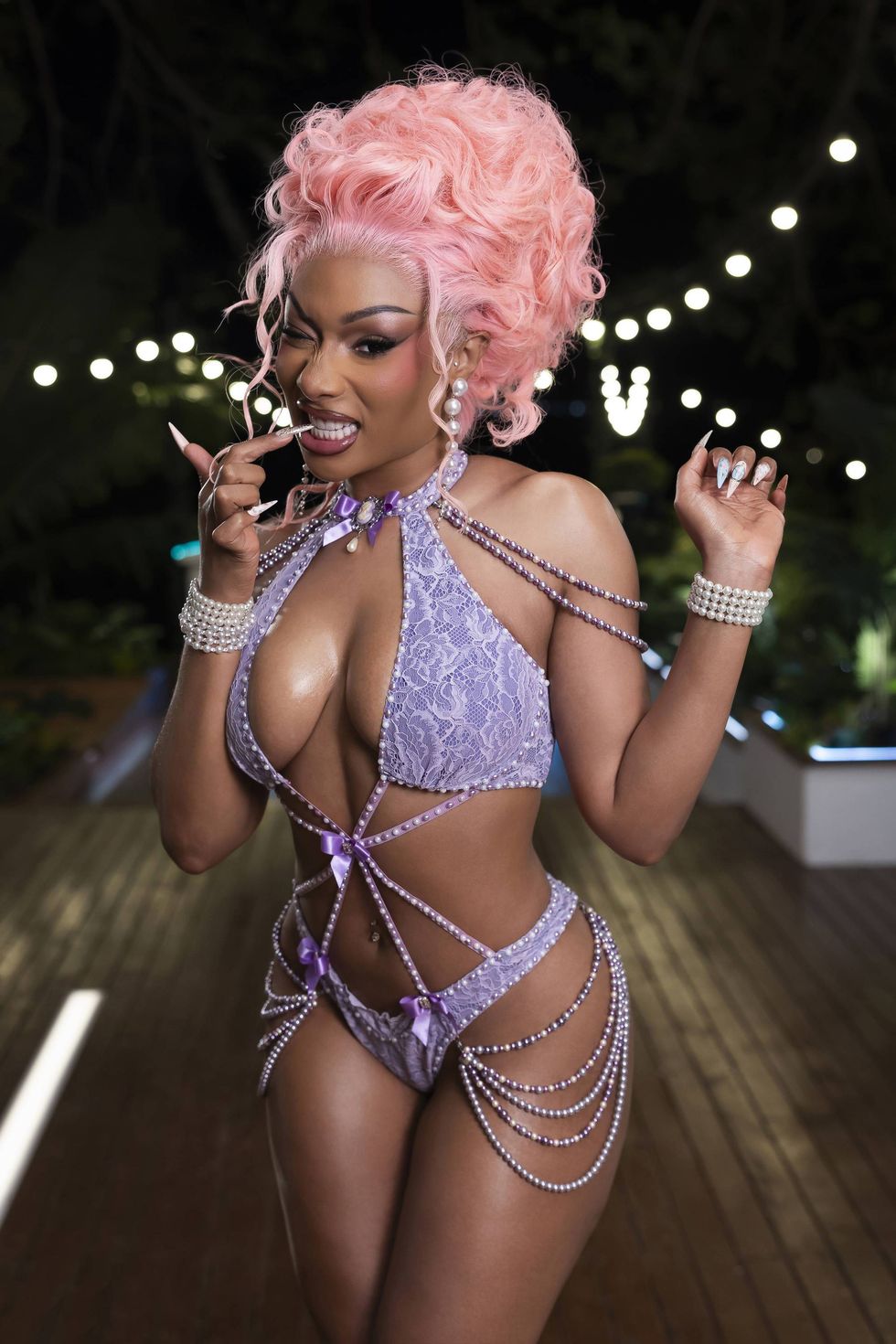
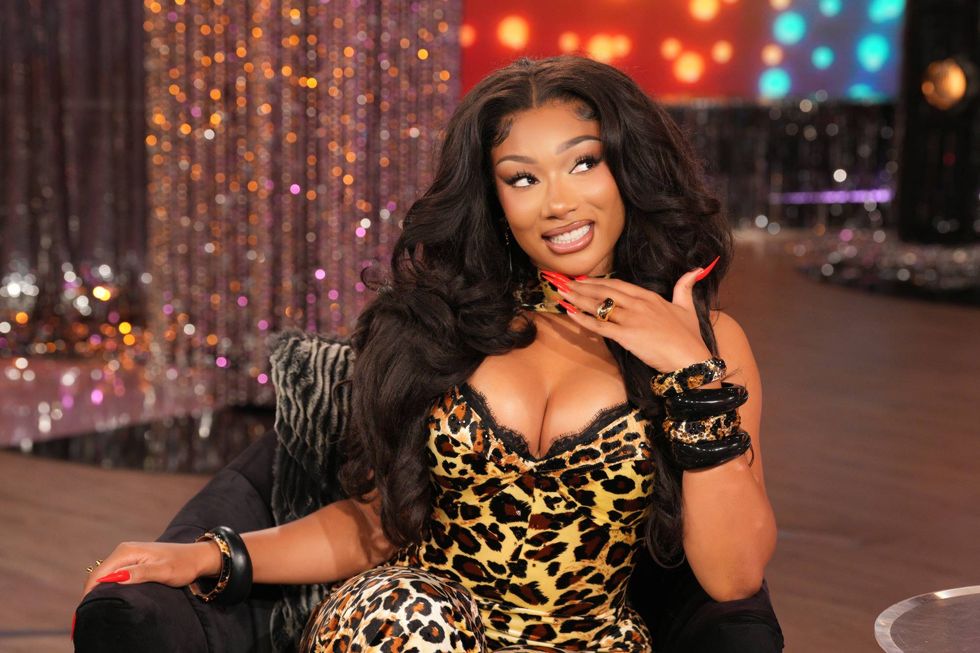
On April 15, 2026, Megan Thee Stallion posted a story on Instagram that sent the internet spiraling.
Up in arms, women across the world wide web sounded war cries to defend the honor of theeeee beloved Hot Girl. When people learned of now-ex-boyfriend Klay Thompson's infidelity, Etsy Witches were invoked to curse the wrongdoer, comment sections spilled over with resentment directed at the basketball player, while TikTok editors wielded their tools of transgression to make lowlights of Thompson's career.
After the story broke, lyrics from the scriptures of Thee Stallion were passed around like emergency literature.
The word of Megan — affirmations and teachings drawn from her lyrics, for which the internet coined the term Megalations — was pulled with great reverence from the “Baddie Bible” to resurrect the Hot Girl™ who rises after the sincerity of the Lover Girl has been tested. TikTok and Instagram were flooded with videos of fans with their eyes tightly shut, hands folded in prayer, reciting the Megalations in earnest as a Megan Thee Stallion song plays in the background. The movement functioned as a communal process of deprogramming from the entanglements of male validation.
When Megan says “Dick don’t run me, I run dick,” shake yourself out of delirium, leave situations that no longer serve you with urgency, and consider yourself saved from further harm.
Following the flurry of Megalations, on June 2, Megan Thee Stallion teased a snippet of an unreleased song on an Instagram reel, rapping “All that wifey shit is dead / Put that shit to bed,” leaving her fans in anticipation for a track to kick off hot girl, single summer.
But the internet’s canonization of the artist’s words is not new.
@hallehallle megalations 4:16 #prayersup #girlhood #megantheestallion #streets #amen
The first song this writer heard by Megan Thee Stallion was at the start of the COVID-19 pandemic. Before TikTok was invariably banned in India, robbing me of my chance at social media fame, my sister and I recorded the viral dance to “Savage” in our childhood bedroom. When the Houston rapper began the song claiming: “I’m that bitch / Been that bitch, still that bitch / Will forever be that bitch” it shifted the tectonic plates of my spirit. The Book of Meg was being written and I was there to witness it, even from halfway across the world.
In early 2018, Megan Thee Stallion signed with 1501 Certified Entertainment, becoming the first female rapper on the label. That June, she released the EP Tina Snow, named after her brazen, no-holds-barred alter ego. The standout track, "Big Ole Freak," officially charted at number 65 on the Billboard Hot 100 in May 2019. Her debut commercial mixtape, Fever, was announced on May 8, 2019, introducing "Hot Girl Meg" to the world. On August 8th, Megan Thee Stallion uploaded "Hot Girl Summer ft. Nicki Minaj & Ty Dolla $ign" to YouTube and the track earned over one million views and 129,000 likes in a day. The term #hotgirlsummer quickly gained traction on Twitter, and fans admitted they had no choice but to obey Thee Stallion’s commandments for the season.
From there, her career trajectory climbed. Her studio album Good News, debuted in November 2020, peaking at number 2 on the Billboard 200. Beyoncé and Megan Thee Stallion's "Savage (Remix)" was released on April 29, 2020, becoming Megan Thee Stallion's first number one on the Billboard Hot 100. In this time, she also graduated from Texas Southern University in December 2021 with a degree in health administration, and trademarked "Hot Girl Summer" in 2022. It seemed as though Thee Stallion’s race to glory was inevitable.
But Megan's rise to mainstream fame had always been shadowed by significant personal loss and public trauma. Her mother Holly Thomas, who was her manager and the person who had shaped her approach to music, died of brain cancer in March 2019, as Fever was being recorded and released. Her grandmother died shortly after. In July 2020, a shooting incident involving rapper Tory Lanez left Megan injured, and she entered into a long, drawn-out legal battle that played out almost entirely in public, for which she faced widespread disbelief and criticism online and in the press.
The artist has spoken openly about depression and the pressure of having to grieve and heal in public while simultaneously being a source of empowerment for her fanbase. In "Cobra" (2023), the lead single from her third, self-titled studio album, Megan, this feeling is captured in the opening verse: "Breaking down and I had the whole world watching / But the worst part is who really watched me?"
Having had much of her life unfold in the public eye, Megan’s public resilience generated a fierce parasocial protectiveness among her fans.
As a Black woman, Megan Thee Stallion navigates a world steeped in patriarchy and misogynoir. Through all the online hate she gets for her expression of selfhood and unabashed enjoyment of sexual pleasure, she continues to contest negative framings around it and fans continue to ride for her. In The Megan Movement: Defining and Exploring Hot Girl Rhetoric, Ebony L. Perro, Professor of Practice at Tulane University, writes "She problematizes one-dimensional readings of Black womanhood and generates a language for her fanbase to challenge oppressive ideologies. While many artists contest (and ignite) discourses about Black women, Megan Thee Stallion's hot girl rhetoric generates cultural phenomena that disrupt the respectable/ratchet binary for Black women."
Megan’s music foregrounds Black feminist thought while engaging with aspects of hip-hop that have historically been structured around the commodification of women’s bodies. In her overt, explicit rap, she inverts expectations through Black feminist ideas which propose that women should express themselves boldly to disrupt the politics of respectability. Megan Thee Stallion challenges the notion that women can only embody a single type of identity. In Savage, she raps, “I’m a Savage / Classy, bougie, ratchet / Sassy, moody, nasty,” in a proclamation of the multitudes she contains, pissing off men on the internet ever-eager to impose Madonna–whore binaries on female sexual liberation and desire.
Megan Thee Stallion's appearance on Love Island, the internet's collective summer pasttime, read to fans like a mirroring of her artistic ethos: men will toe the line of respect in their interactions with women, or she will check them.
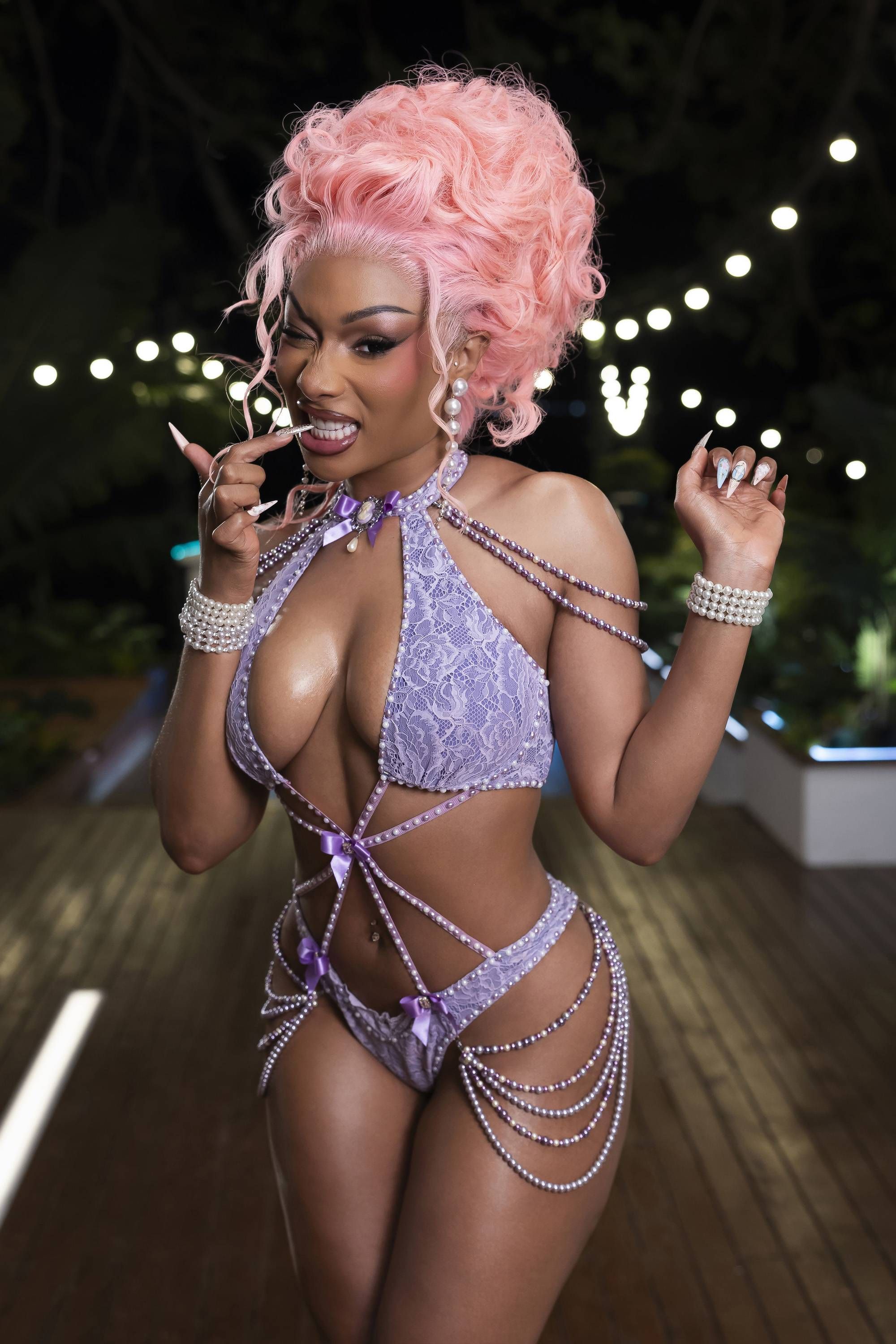
The seemingly innocent reality show is a delicious petri dish for observing heterosexual dating dynamics play out in real time. While attractive single men and women "explore" each other in search of their true match, competing over who can therapy-speak their way to the top, it’s become harder to ignore the insidious “redpill” tendencies that have crept into the way the men talk about the women — their relationships to them, their supposed worth, their access to women’s bodies. Megan, who hosted a "Hot Girl Bakery" challenge dressed as a sexy Marie Antoinette figure, was clear on reminding the men that they cannot have their cake and eat it too. That it's possible to form new connections per the rules of the show while still treating women with respect.
Amid the cream-and-cake wreckage left over from the boys-vs-girls challenges, Megan lovingly reminded the women of the villa: "All my girls, keep turning it up, keep putting on, and keep being hot girls doing hot girl things." Then she turned to the boys, paused, and said, "All the boys… (silence) … y'all can step up the gentleman a little bit more."
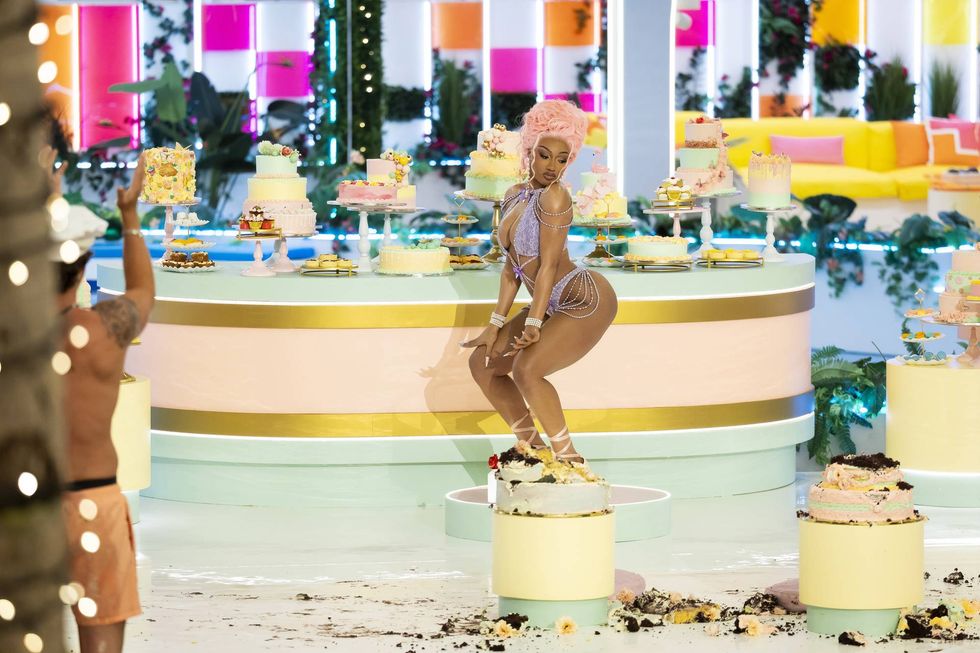
The manosphere runs deep and plagues the internet, but now and then a Megalation still rises from the ashes to dismiss its misdoings.
Megan Thee Stallion’s music resonates so deeply with fans because her songwriting offers a blueprint for the “bad bitch,” rooted in self-possession as life oscillates between moments of great tenacity and profound heartbreak. Her lyricism generates a shared language for her fanbase to push back against patriarchal conditions. The principles that emerge from her music of being free, making money, and seeking pleasure, give her fans a framework to live by, defying constructions of normative femininity. Megan’s scriptures came to be as a way of doing the personal and political work of refusing to be shrunk or shamed. It is in corners of the internet that women, female-identifying, and queer folk surface shared experiences and align themselves with a lexicon that challenges patriarchal violence with such conviction that it becomes joy.
From that expansive vocabulary emerged “Megalations,” an internet term modeled on biblical verse notation, using song-and-verse formatting like Megalations 3:12 to frame the word of Meg as playful, scripture-like codes for self-respect. An Urban Dictionary entry from 2021 captures the usage of the term in action, “When he hit you up after the link, remember (to) look back at Megalations 3:12.”
Each Megalations post reminding fans of the preachings of Megan Thee Stallion unfolds into communal discourse. Comment sections beneath Megalations videos on TikTok are filled with women testifying to how a particular lyric got them through a breakup, a toxic workplace, or a moment of self-doubt. Reddit threads dissect her discography with the rigor of literary analysis, with users pulling specific bars from the Book of Meg to unpack their meaning in the context of love, grief, and self-worth. A discussion post on r/megantheestallion is titled “How Megan Thee Stallion genuinely saved my life.”
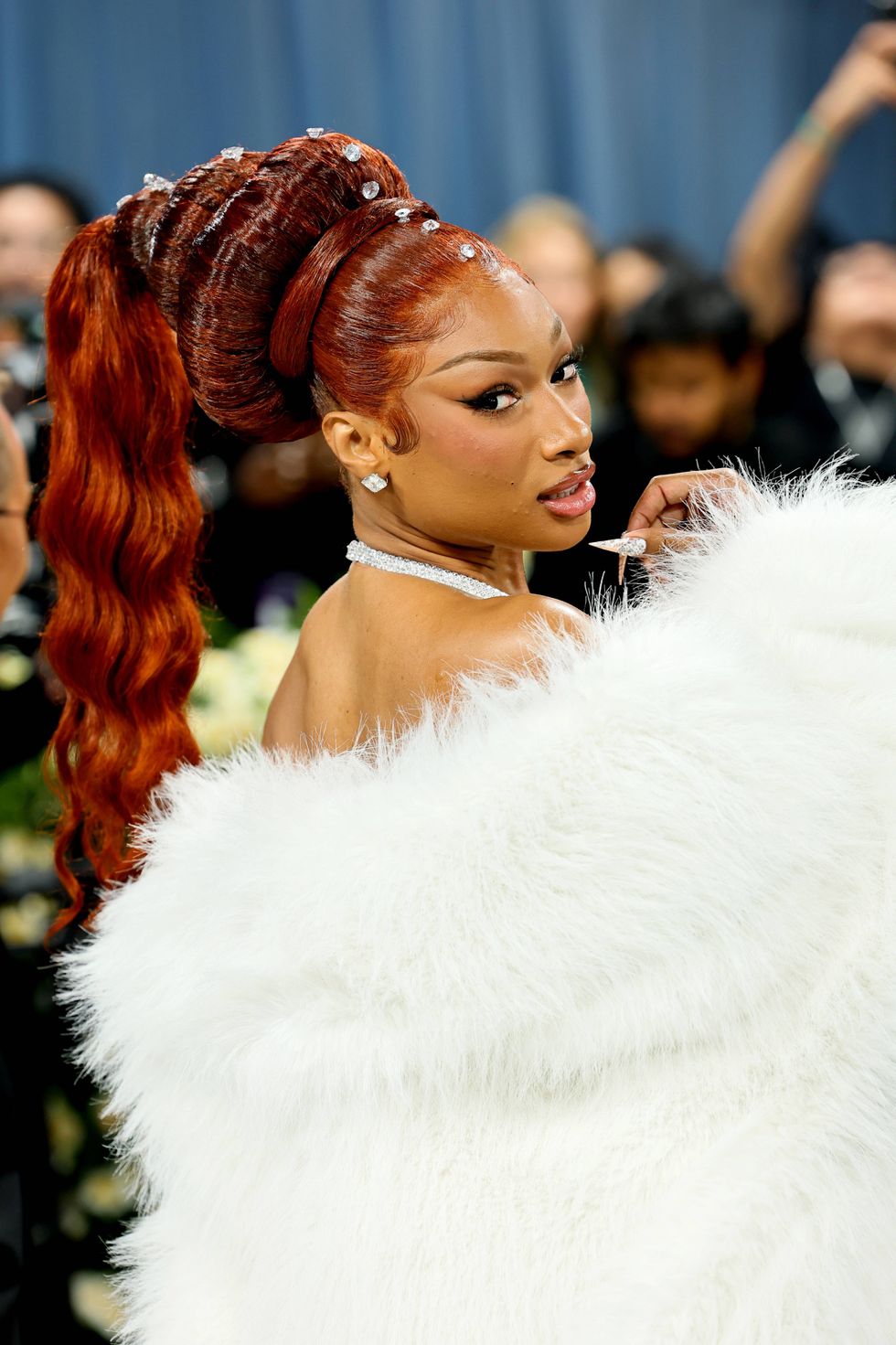
On stan Twitter, her lyrics circulate as responses to moments of women being mistreated or dismissed. In a media landscape that so often scripts Black women into silence or suffering, conditioned by an environment where women are taught to internalize the consequences of harm, the phenomenon of Megalations radically flips that narrative. It is fan culture as resistance, devotion as politics, and Megan, whether she intended it or not, as its likely prophet. In the track “Good At” from her 2018 EP Tina Snow, Megan Thee Stallion raps “Bad bitches singing all my songs like a prayer.” The prophecy was foretold all along.
Mona Swain, an actress and musician based in New York, posted a video in May of this year titled "please stand for the national anthem," set to the lyrics of Megan Thee Stallion's "Plan B": "Ladies, love yourself cause this shit could get ugly / That's why it's fuck n***** get money / And I don't give a fuck if that n**** leave tonight / Because n**** that dick don't run me." The video amassed over 83,100 likes and 6,000 saves, with comments reading "in meg we trust," "exactly sis," and "PREACH, I just got out of a relationship where I was a bird."
Swain tells PAPER: "Songs like 'Plan B' feel empowering because they challenge the idea that women should shrink themselves, tolerate disrespect, or stay loyal to situations that are hurting them. For me, those lyrics read less as revenge and more as reclamation, protecting your peace, and remembering your worth even when emotions are involved. I think a lot of women connect to Megan because she makes confidence and self-respect feel unapologetic."
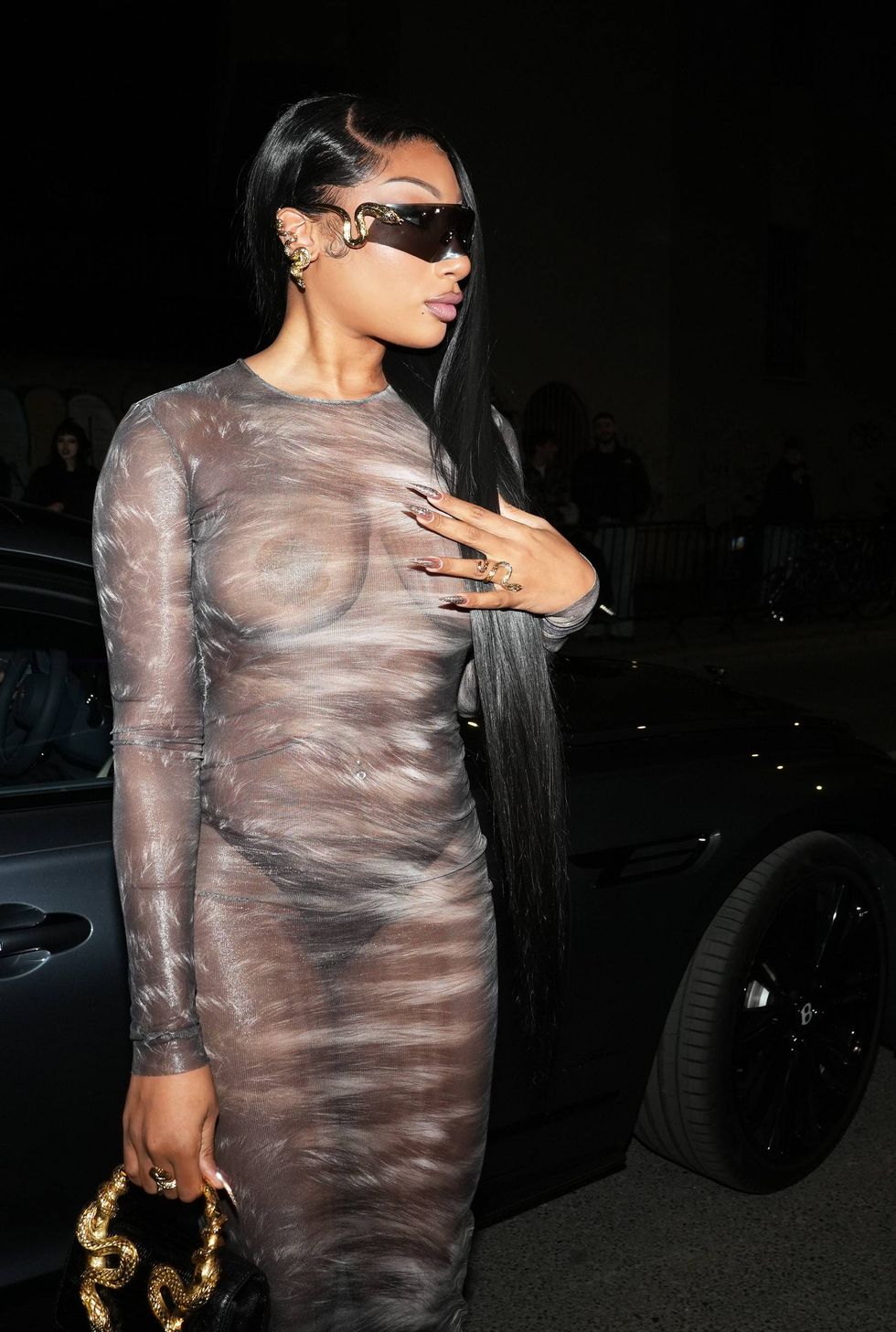
The tradition of Black women rappers using lyrics as declarations of self-worth extends to hip-hop’s origins. Artists like Roxanne Shanté, MC Lyte, Queen Latifah, Salt-N-Pepa, and Yo-Yo helped establish a Black feminist-inflected tradition within hip-hop that foregrounded self-definition and resistance to patriarchal norms. In the late 1990s and early 2000s, artists like Missy Elliott and Lil’ Kim expanded these expressions of agency through more explicit engagements with sexuality, desire, and performance. Their lyrics circulated as communal knowledge before the internet gave that circulation a name, passed between sisters and cousins, recited in bedrooms, and memorized as scripts for how to move through the world. Megan’s rhetoric is part of this broader lineage of cultural work performed by Black women in hip-hop.
Like many, I found my way back to the Book of the Meg when my ribcage hurt from carrying a broken heart, and my sense of self-worth was eroded in every conceivable way. When Megan Thee Stallion said “Cocky as fuck / Everything ‘bout me poppin / Got face, I got body / You name it, I got,” the sky parted and the gospel of Thee Stallion glistened before me. I saved myself from the self-fashioned destruction of sending a text that would spiral me into eventual humiliation. When all the weight of the world is upon my shoulders, I remind myself that a Megalation a day keeps the bad news away.
For that, we all say, thank you, Meg.