America’s Bloated Military Budget And “Endless Wars”
By Bruce Altschuler Photos: Wikimedia Commons After the 2024 election, the White House website described what it called Donald \Trump’s “mandate,” beginning with “putting a stop to endless wars.” Nevertheless, on Feb. 28, the United States and Israel began an unprovoked war with Iran by bombing strikes that not only destroyed military targets but killed thousands of Iranians, including the country’s Supreme Leader and much of its other leadership as well as many civilians. A first day strike on a primary school reportedly killed 170 children. Trump then threatened to destroy an entire civilization if Iran did not capitulate. When the war began, Trump released a video stating that his goal was “eliminating imminent threats from the Iranian regime.” He laid out five specific aims: destroying Iran’s missiles so they are “totally obliterated;” “annihilate their navy;” eliminate Iran’s “terrorist proxies”; “ensure that Iran does not obtain a nuclear weapon;” and to the Iranian people, “the hour of your freedom is at hand.” Asked by the New York Times on March 2 how long the war would take, Trump responded “we intended four to five weeks.” The next day Defense Secretary Pete Hegseth was emphatic, “This is not Iraq. This is not endless.” Yet, as of this writing, the war has reached its fifth month with Trump declaring a 60-day ceasefire over after less than a month. None of his goals had been achieved. Did Trump break a campaign promise to end “forever wars”? When asked this by Kristen Welker on “Meet the Press,” he denied doing so because “this is not an endless war.” If he was totally against war, he would “not have built the strongest military in the world.” Inadvertently, his answer reveals the problem – the bloated United States military budget which is currently around a trillion dollars (more if veterans’ benefits and nuclear weapons housed in the Department of Energy are included). This spending is a product of budgets submitted by both Democratic and Republican Presidents that were approved by bipartisan majorities in Congress. The proposed budget for the coming year is $1.45 billion with a likely supplemental request to fund the Iran War to follow. Diplomacy is difficult. It requires patience together with deep knowledge of the country on the other side and the issues under negotiation. The nuclear agreement Barack Obama negotiated with Iran took nearly two years and was 160 pages long. The negotiating team included experienced diplomats and scientists compared to Trump’s team of two real estate developers, one of whom is his son-in-law. Meanwhile, the American military, obviously far superior to that of Iran, presented another option. As Anton Chekhov put it, albeit in a very different context, “One must not put a loaded rifle upon the stage if no one is thinking of firing it.” To Trump the military option seemed a quick and relatively low-cost way of achieving the goals stated in his video compared to the slow pace of his negotiations with Iran. Because he truly expected that the war would be over quickly due to overwhelming American military power, he would not be breaking his pledge of avoiding endless wars. He may have even believed that the mistake made in the Vietnam, Afghanistan, and Iraq wars was sending in large numbers of ground troops and the American casualties that followed. Instead, overwhelming air power would be an easier method of waging war. The bombing videos that Pete Hegseth released daily created the impression that this was more of a video game than a war, when, in fact, real people died. As I have written elsewhere, there is considerable evidence, dating back to at least WWII that even countries with overwhelming air power cannot bomb their enemies into submission. The best way to reduce the danger of entering endless wars is to reduce the military budget sharply so that a President is not tempted to reach for the weapons of war when frustrated by the slow pace of diplomacy or the need to compromise. The United States does not need to spend more than twice as much as Russia and China combined to defend itself. The fewer weapons lying around, the less likely a President is to reach for them. Dr. Bruce Altschuler is emeritus professor of political science.
 Black News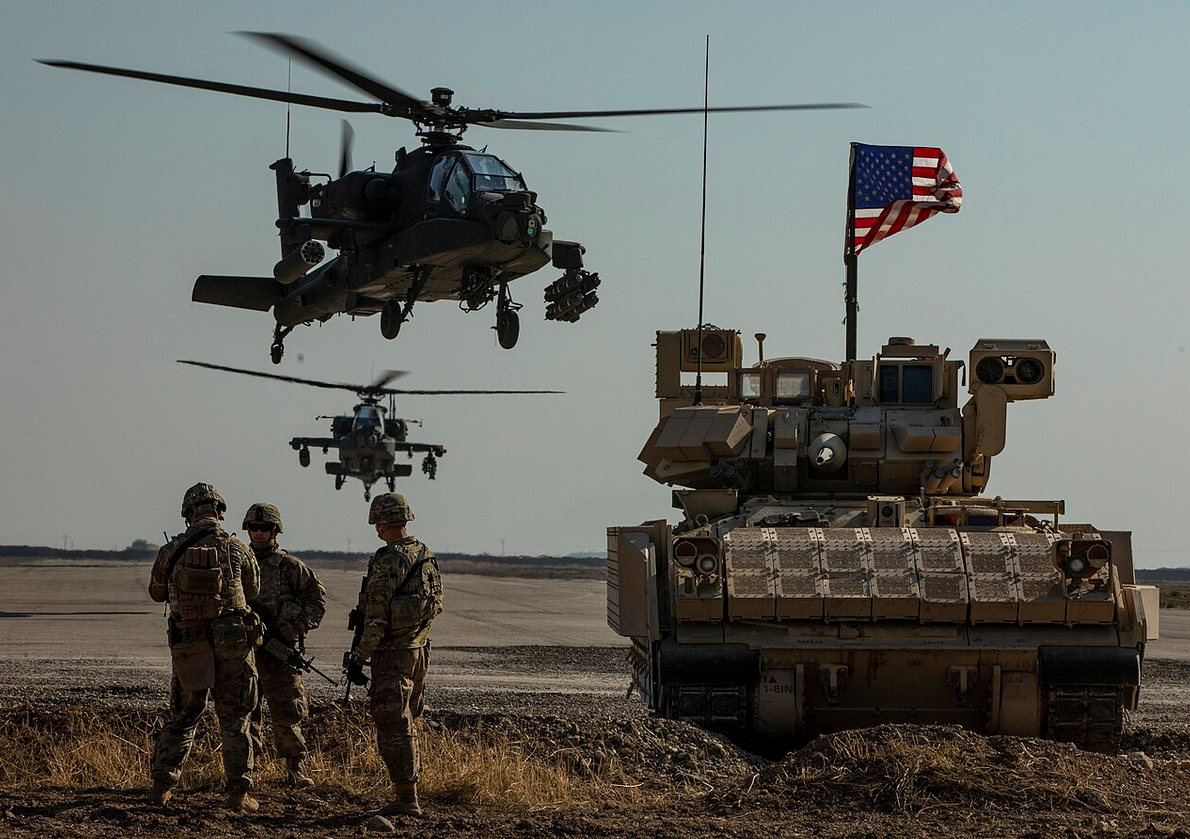
By Bruce Altschuler
Photos: Wikimedia Commons
After the 2024 election, the White House website described what it called Donald \Trump’s “mandate,” beginning with “putting a stop to endless wars.” Nevertheless, on Feb. 28, the United States and Israel began an unprovoked war with Iran by bombing strikes that not only destroyed military targets but killed thousands of Iranians, including the country’s Supreme Leader and much of its other leadership as well as many civilians. A first day strike on a primary school reportedly killed 170 children. Trump then threatened to destroy an entire civilization if Iran did not capitulate.
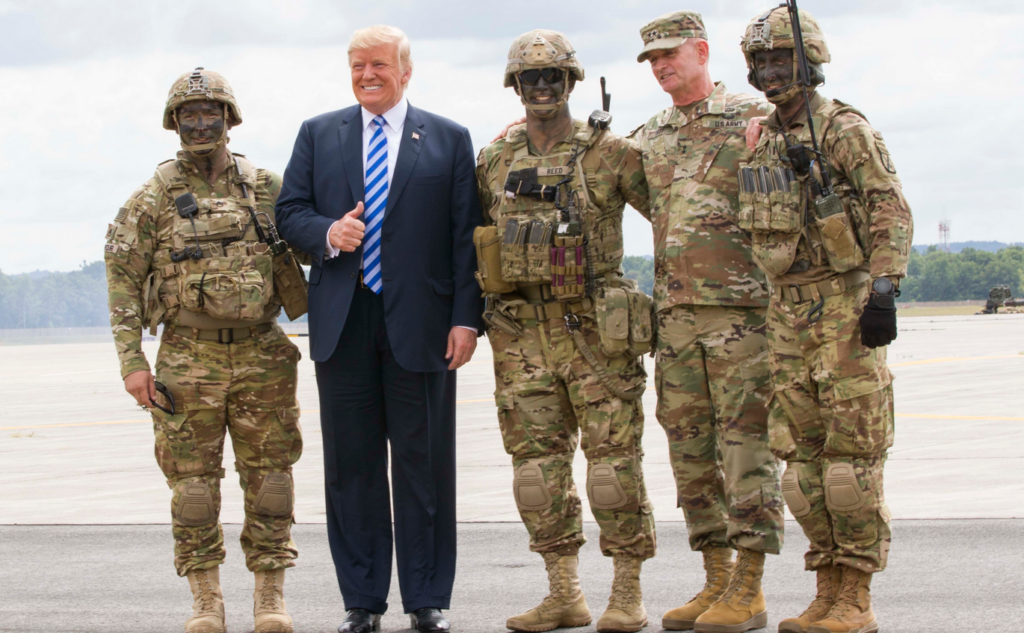
When the war began, Trump released a video stating that his goal was “eliminating imminent threats from the Iranian regime.” He laid out five specific aims: destroying Iran’s missiles so they are “totally obliterated;” “annihilate their navy;” eliminate Iran’s “terrorist proxies”; “ensure that Iran does not obtain a nuclear weapon;” and to the Iranian people, “the hour of your freedom is at hand.” Asked by the New York Times on March 2 how long the war would take, Trump responded “we intended four to five weeks.” The next day Defense Secretary Pete Hegseth was emphatic, “This is not Iraq. This is not endless.” Yet, as of this writing, the war has reached its fifth month with Trump declaring a 60-day ceasefire over after less than a month. None of his goals had been achieved.
Did Trump break a campaign promise to end “forever wars”? When asked this by Kristen Welker on “Meet the Press,” he denied doing so because “this is not an endless war.” If he was totally against war, he would “not have built the strongest military in the world.” Inadvertently, his answer reveals the problem – the bloated United States military budget which is currently around a trillion dollars (more if veterans’ benefits and nuclear weapons housed in the Department of Energy are included). This spending is a product of budgets submitted by both Democratic and Republican Presidents that were approved by bipartisan majorities in Congress. The proposed budget for the coming year is $1.45 billion with a likely supplemental request to fund the Iran War to follow.
Diplomacy is difficult. It requires patience together with deep knowledge of the country on the other side and the issues under negotiation. The nuclear agreement Barack Obama negotiated with Iran took nearly two years and was 160 pages long. The negotiating team included experienced diplomats and scientists compared to Trump’s team of two real estate developers, one of whom is his son-in-law. Meanwhile, the American military, obviously far superior to that of Iran, presented another option.

As Anton Chekhov put it, albeit in a very different context, “One must not put a loaded rifle upon the stage if no one is thinking of firing it.” To Trump the military option seemed a quick and relatively low-cost way of achieving the goals stated in his video compared to the slow pace of his negotiations with Iran. Because he truly expected that the war would be over quickly due to overwhelming American military power, he would not be breaking his pledge of avoiding endless wars.
He may have even believed that the mistake made in the Vietnam, Afghanistan, and Iraq wars was sending in large numbers of ground troops and the American casualties that followed. Instead, overwhelming air power would be an easier method of waging war.
The bombing videos that Pete Hegseth released daily created the impression that this was more of a video game than a war, when, in fact, real people died. As I have written elsewhere, there is considerable evidence, dating back to at least WWII that even countries with overwhelming air power cannot bomb their enemies into submission.
The best way to reduce the danger of entering endless wars is to reduce the military budget sharply so that a President is not tempted to reach for the weapons of war when frustrated by the slow pace of diplomacy or the need to compromise. The United States does not need to spend more than twice as much as Russia and China combined to defend itself. The fewer weapons lying around, the less likely a President is to reach for them.

Dr. Bruce Altschuler is emeritus professor of political science.