Analysts: SLP’s ‘personal touch’ won the election
Saint Lucia’s 2025 general election has been described as “historic” by regional political consultant Peter Wickham, who said a second term government receiving an increase in popular support was a significant achievement. He and political professional Ajani Lebourne say the outcome was shaped by leadership perception, voter connection and organisational strength. Peter Wickham’s perspective Political […] The article Analysts: SLP’s ‘personal touch’ won the election is from St. Lucia Times.
 Black News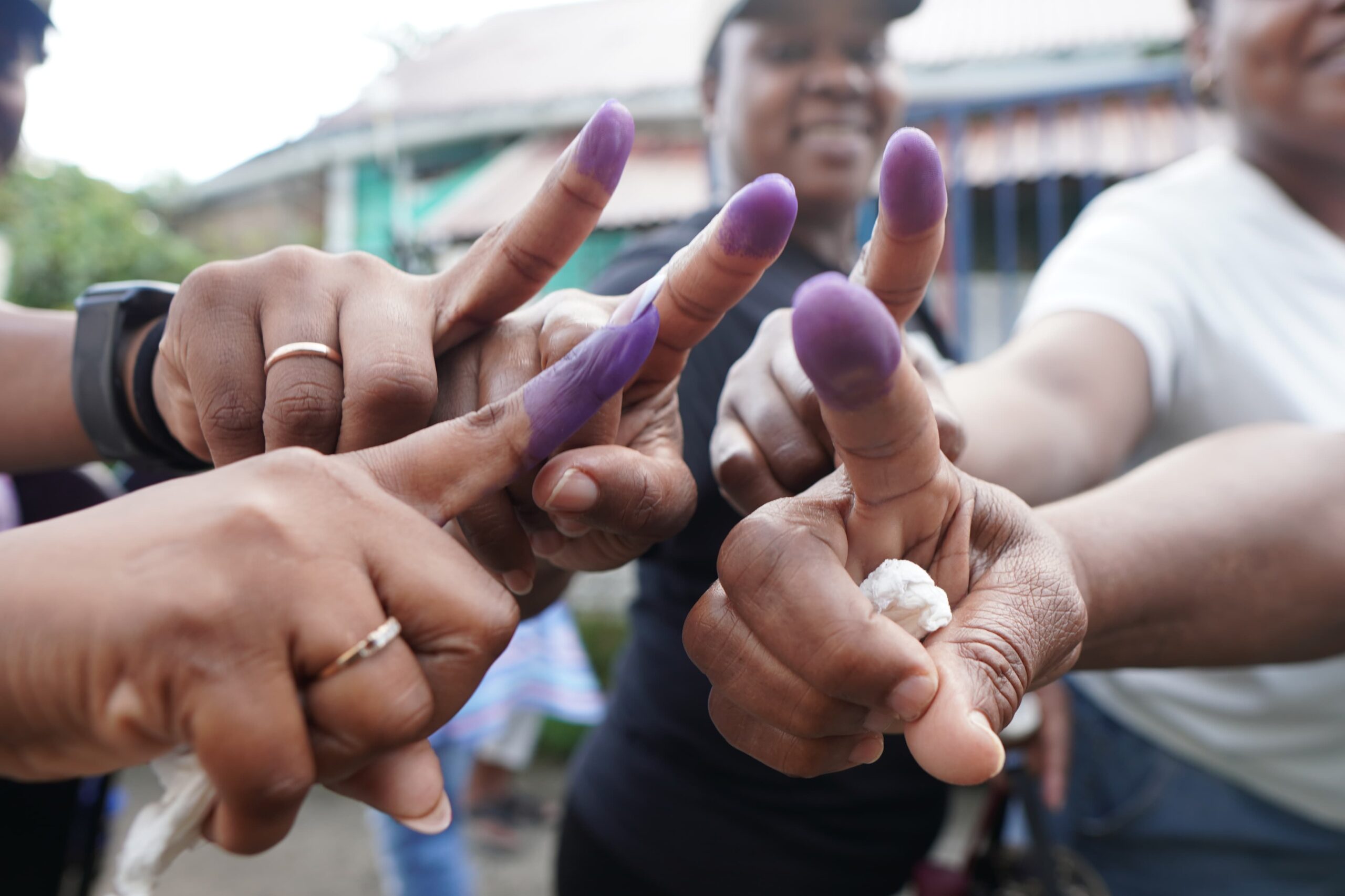
Saint Lucia’s 2025 general election has been described as “historic” by regional political consultant Peter Wickham, who said a second term government receiving an increase in popular support was a significant achievement. He and political professional Ajani Lebourne say the outcome was shaped by leadership perception, voter connection and organisational strength.
Peter Wickham’s perspective

Political consultant and Director of Caribbean Development Research Services (CADRES), Peter Wickham described the election as “historic in many instances”, pointing to the unusual pattern of a second‑term government increasing its support.
He noted “a five percentage point swing in their favour”, contrasting it with the Caribbean norm of incumbents losing ground after their first term.
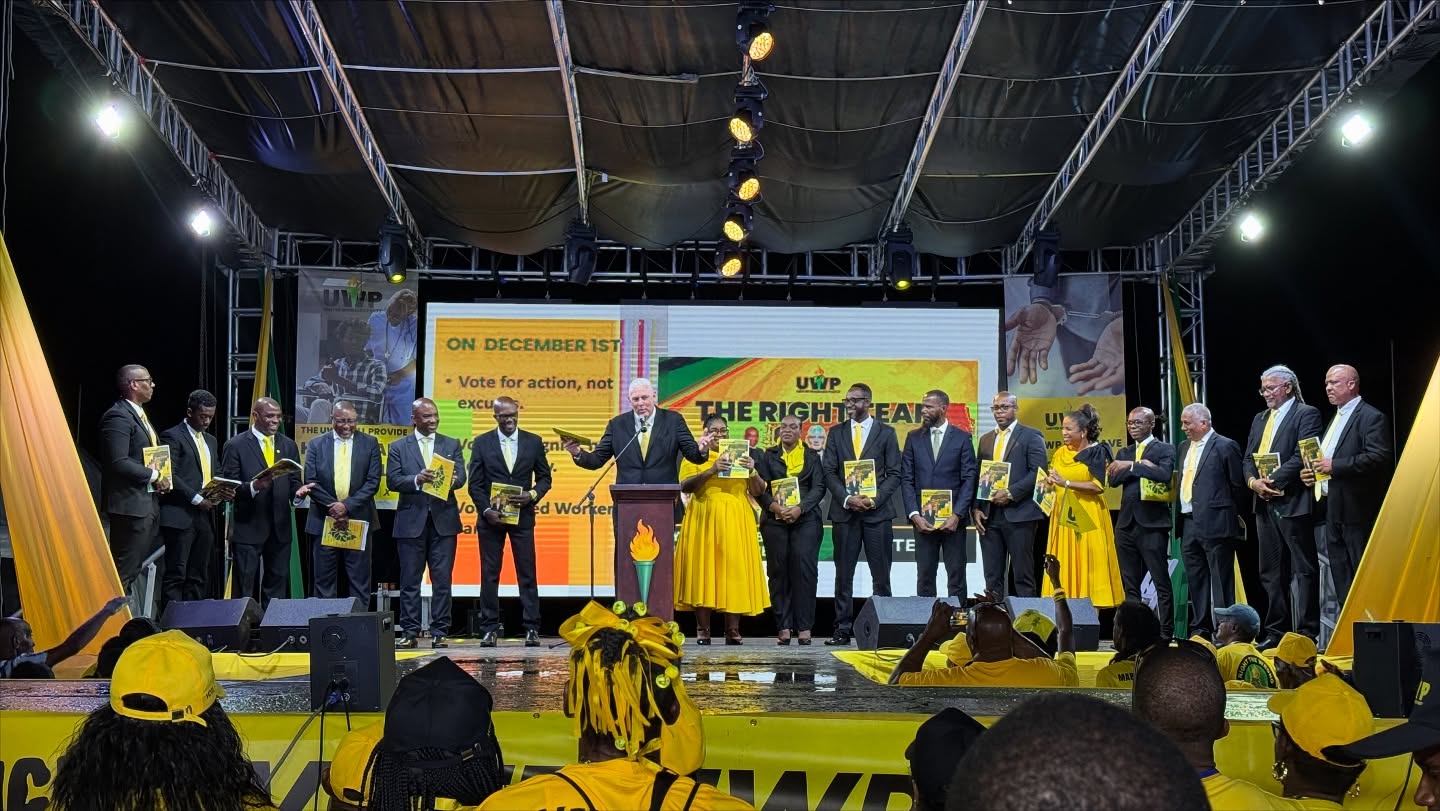
Wickham argued that the difference lay in leadership style. “[Allen Chastanet] presented his party’s agenda that was largely one of infrastructure development, big projects,” he said of the UWP leader.
By contrast, he described Prime Minister Philip J. Pierre as appealing more directly to the population’s social and personal needs. He characterised Pierre’s approach as focused on what he termed “softer issues”, including education and pensions.
Wickham believes voters connected more strongly to this style of leadership. According to him, the public felt that “Prime Minister [Philip] J. Pierre was looking out for them on a personal level, and not just looking to build infrastructure institutions”.
On Chastanet’s future, Wickham was blunt: “Certainly, I don’t think that Chastanet has a future in Saint Lucian politics.”
Yet despite public calls for the UWP leader to resign immediately, Wickham does not believe an abrupt exit is the best course of action. “He has an obligation to rebuild the UWP while in Parliament… he can use his skills to be a watch on the government and an important part of the opposition infrastructure.”
However, the analyst stressed that a transition process must begin, stating that Chastanet should now “begin a search for a new leader”.
Wickham praised Pierre’s ability to maintain party unity and suggested, “Philip J. Pierre will be himself. I think he realises that he has a formula that worked for him.”
Wickham even noted Pierre could consider a third term, though he cautioned against overstaying.
Personalities aside, Wickham also said the result “reaffirms the St. Lucia Labour Party strategy and the personal touch”, and raised the possibility of long‑delayed constitutional reform.
He also flagged turnout issues, remarking, “There needs to be a cleansing” of outdated voter rolls.
“My sense is that a lot of the voter turnout is related to the extent to which the names on the list are people who have died or moved overseas….”
Ajani Lebourne’s perspective

Ajani Lebourne, a professional in youth development and politics, described the outcome as shaped by “leadership perception, voter connection and organisational strength”.
He argued the UWP “struggled to excite and mobilise its base”, weakened by internal division and the loss of grassroots identity.
“Many people no longer see the UWP as the party of Sir John Compton or as a grassroots institution rooted in people’s lives,” he said.
Instead, he believes the organisation became more personality-focused, which contributed to voter apathy and reduced loyalty. This disconnection, in his view, played a key role in the party’s inability to turn out its supporters and ultimately contributed to the margin of defeat.
By contrast, Lebourne observed that Labour’s policies “were tangible”, citing pension increases, small business support and public sector commitments.
“These resonated across a wide cross‑section of society, including young voters, seniors, public sector workers and politically independent individuals,” he explained.
Labour’s messaging, he added, was “simple but effective, centred on direct and practical support that citizens could see and feel in their everyday lives”.
Still, Lebourne cautioned: “Saint Lucians will expect a shift in emphasis on direct assistance to long‑term structural solutions in areas such as crime, employment, economic diversification and sustainable national development.”
He warned that persistent low turnout is “significant” and could eventually lead to “a new political movement” if frustration grows.
On Chastanet, Lebourne said, “In politics, the people are never wrong. Even when they vote against you, it is a message that must be heard.”
He argued that campaign messaging that implied the previous result was “wrong” damaged credibility further.
Looking ahead, Lebourne asserted that the Labour Party must now govern with integrity, accountability and long-term vision.
“Moving forward to develop a mature democracy, we need to strongly consider campaign financing legislation to regulate how campaigns are funded and facilitate more critical discourse on party policies,” he said.
Both Wickham and Lebourne agree that the 2025 general election was more than a numbers contest. It was a reflection of public perception, trust, and the relationship between Saint Lucians and the leaders who seek to represent them.
The article Analysts: SLP’s ‘personal touch’ won the election is from St. Lucia Times.