Angola Opens $20.7 Million Gold Refinery to Expand Local Mineral Processing
Angola has inaugurated its first gold refinery following a $20.7 million investment by state owned diamond company Endiama, marking a significant development in the country’s efforts to expand domestic mineral processing and capture greater value from its natural resources, Reuters reported. Located at the Viana Industrial Development Hub in Luanda, the facility was officially opened […]
 Black News
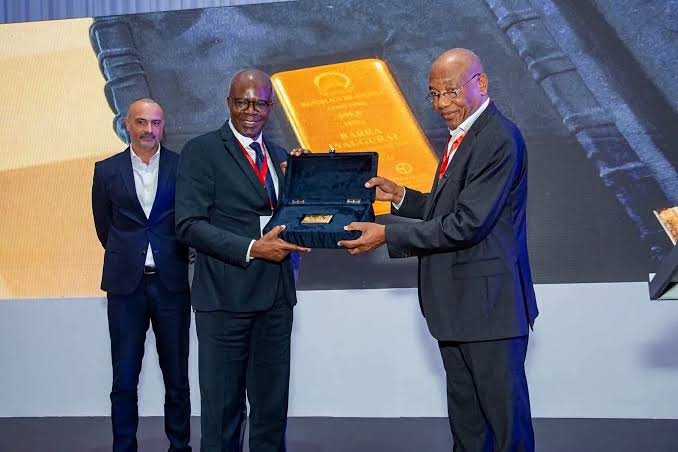
Angola has inaugurated its first gold refinery following a $20.7 million investment by state owned diamond company Endiama, marking a significant development in the country’s efforts to expand domestic mineral processing and capture greater value from its natural resources, Reuters reported. Located at the Viana Industrial Development Hub in Luanda, the facility was officially opened on November 20, 2026, by Minister of Mineral Resources, Petroleum and Gas Diamantino Azevedo. The refinery has an installed capacity of up to 75 kilograms of gold daily across three production shifts, although it will initially process 25 kilograms per day because current domestic supply does not justify operating at full capacity. The facility is wholly owned by Endiama and represents Angola’s first dedicated infrastructure for refining and certifying gold locally.
Beyond refining, the complex includes a specialised laboratory and the country’s first public precious metals assay office, responsible for verifying the purity of gold, silver and platinum and issuing official certification marks. The project is expected to create 35 direct jobs in its initial phase, while developing local technical expertise in assaying, smelting, refining and certification. According to the Ministry of Mineral Resources, Angola has granted 49 gold exploration licences, but only four projects are currently producing. The country recorded approximately 99.5 kilograms of official gold production in 2024, highlighting the supply challenge facing the new facility. Endiama has indicated that producers in neighbouring Democratic Republic of Congo and Ghana have expressed interest in sending gold to Angola for processing. The government is also developing regulations for small scale and semi industrial gold mining to encourage formal participation, improve traceability and address environmental risks associated with the use of mercury and cyanide.
The refinery forms part of Angola’s broader economic diversification strategy, which seeks to reduce dependence on crude oil and raw mineral exports by developing domestic processing industries. For Endiama, traditionally focused on diamond production, the investment also signals a wider ambition to establish a presence across the country’s mineral value chain, including gold exploration and refining. The facility could generate additional foreign exchange through refined gold exports, support the development of local jewellery manufacturing and provide another potential source of gold for Angola’s central bank reserves. However, its commercial performance will depend on securing consistent supplies of responsibly sourced gold, attracting regional producers and obtaining internationally recognised certifications. The government has expressed interest in pursuing accreditation from relevant international bodies, including the London Bullion Market Association. If Angola can establish the necessary supply, regulatory and certification frameworks, the refinery could develop into a regional processing hub, retaining more mineral value within the African economy rather than exporting raw gold for refining elsewhere.