As memories become entangled with machines, who controls what we remember?
History could now be determined by algorithms.
 Black News
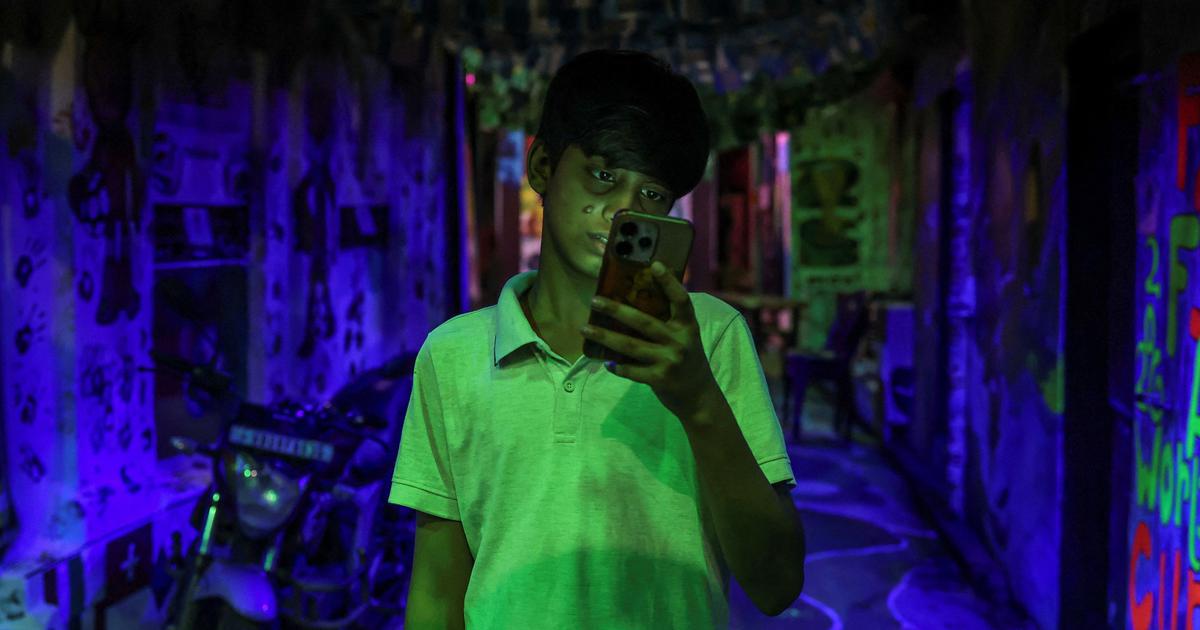

My phone chimed with an automated “memory” slideshow from an old trip, set to gentle music, the skies impossibly blue, the faces so bright. I watched it twice before realising what bothered me: I hadn’t chosen the photos, the order, or the mood. Something else had decreed what my holiday felt like. If the machine had the sky wrong, would I know? Is a memory still mine once something else has contrived it?
But how reliable are our memories anyway? Elizabeth Loftus, a pioneer in false memory research, proved decades ago that a single leading question can rewrite our recollections. Today, experts know that memory is actively rebuilt every time we remember.
The act of offloading memory onto external tools – like a simple notebook – blurs the line between the mind and the environment. This phenomenon, described as the “extended mind” by philosophers Andy Clark and David Chalmers, finds a modern parallel in media theory through the concepts of mediatisation and mediation, where historical reality is consumed in a pre-edited format.
The collective memory of the September 11 attacks serves as a prime example. Decades of media broadcasts and movies have systematically replaced firsthand recollections. Empirical studies on this topic reveal that even direct survivors...