Burundi Faces Calls for Mandatory Market Insurance After Wave of Devastating Fires
Insurers say a lack of insurance culture leaves businesses exposed, while civil society calls for mandatory coverage and improved disaster preparedness.
 Black News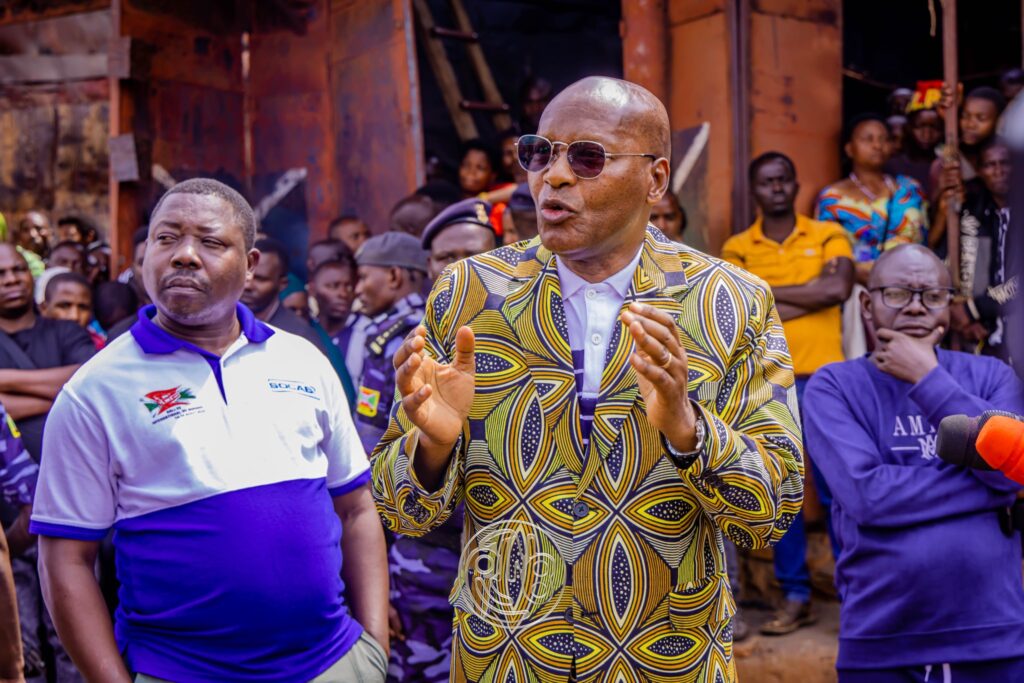
Burundi is facing renewed calls to make insurance compulsory for traders and strengthen fire prevention measures as a wave of market fires continues to destroy businesses across the country.
Insurance companies, senior government officials and civil society organizations say the repeated destruction of markets has exposed the country’s low insurance coverage, leaving thousands of traders vulnerable to catastrophic financial losses.
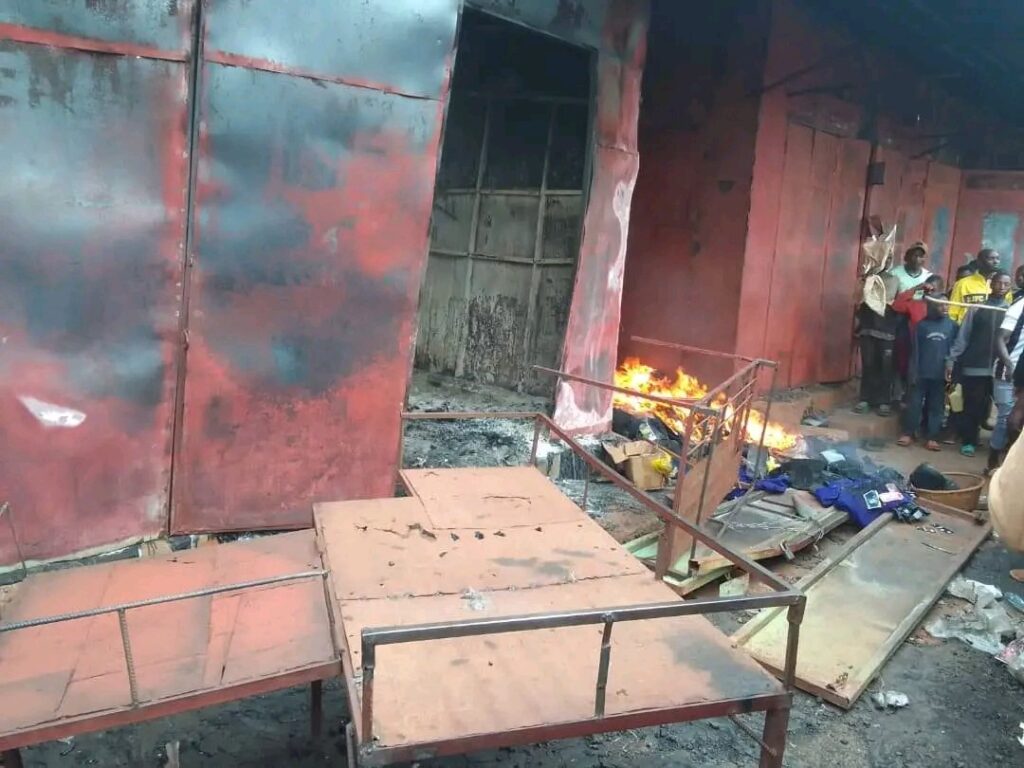
The debate has intensified following Friday’s devastating fire that destroyed most of the central market in Ngozi, just four years after another major blaze struck the same marketplace.
According to Burundi’s Insurance Regulation and Supervisory Agency (ARCA), insurance penetration remains very low despite recurring disasters.
Gilbert Ndayikengurukiye, assistant to ARCA’s director general, attributed the low uptake to what he described as a lack of insurance culture among Burundians, affecting both educated and less educated citizens. He also said many people wrongly believe insurance companies deliberately delay compensation after disasters.
“One of the main reasons is the lack of a culture of insuring property,” Ndayikengurukiye said. “There is also a misconception that insurance companies deliberately delay compensating victims of disasters, which is simply not true.”
He said ARCA continues to conduct public awareness campaigns, noting that many people only seek information about insurance after suffering losses.
“We don’t want victims of fires to think about insuring their property only after disasters have already happened,” he said, referring to recent cases in which homeowners sought insurance information only after losing property in fires.
Parliament Speaker Urges Traders to Insure property
Speaking in Ngozi on Sunday, two days after the market fire, National Assembly Speaker Daniel Gélase Ndabirabe lamented that many traders had failed to insure their merchandise despite its high value.
After visiting the burned market, Ndabirabe said traders should view the disaster as a lesson on the importance of insurance.
“What happened here is the price of not subscribing to insurance,” he said. “Those who insured their merchandise will be compensated and will not face the same difficulties.”
He urged traders to insure not only their goods but also their homes, farms and health.
The speaker also criticized residents of Butanyerera Province for failing to invest collectively in fire engines, arguing that local communities should have purchased several firefighting vehicles given the number of markets in the province.
Civil Society Pushes Back
Civil society organizations have challenged some of Ndabirabe’s remarks, arguing that protecting citizens and equipping markets with firefighting resources is primarily the government’s responsibility.
Faustin Ndikumana, national director of the PARCEM, said authorities should prioritize investing in firefighting equipment to strengthen civil protection.
“The government should invest by equipping markets with sufficient firefighting equipment to reinforce civil protection, which is fundamentally a government responsibility,” he said.
However, Ndikumana also argued that authorities should require traders operating in markets to insure their goods.
“The government should raise awareness about insurance and require traders operating in markets to insure their merchandise,” he said, calling for “decisive government action rather than vague measures.”
Another governance watchdog, OLUCOME, echoed concerns over low insurance uptake while calling for a comprehensive national strategy to reduce fire risks.
Speaking at a press conference on Tuesday, OLUCOME president Gabriel Rufyiri urged the government to establish a sustainable risk prevention policy and encourage traders to join insurance schemes.
The organization also called for the creation of an independent commission to assess the impact of recent market fires, examine compensation mechanisms and recommend measures to better protect citizens and their property.
OLUCOME further criticized Ndabirabe’s comments suggesting traders should have purchased firefighting vehicles, arguing that ensuring public safety is the state’s responsibility.
“The monopoly over citizens’ security lies with the state,” Rufyiri said, adding that the organization did not understand why responsibility had been shifted onto traders.
The latest debate comes as concerns grow over a succession of market fires across Burundi, with repeated disasters highlighting both inadequate firefighting capacity and the limited financial protection available to traders who lose their livelihoods.