Congo orders Western and Asian mining titans to surrender local equity or face sanctions
The Democratic Republic of Congo will begin enforcing a long-delayed requirement for mining companies to transfer local ownership stakes by July 31, 2026.
 Black News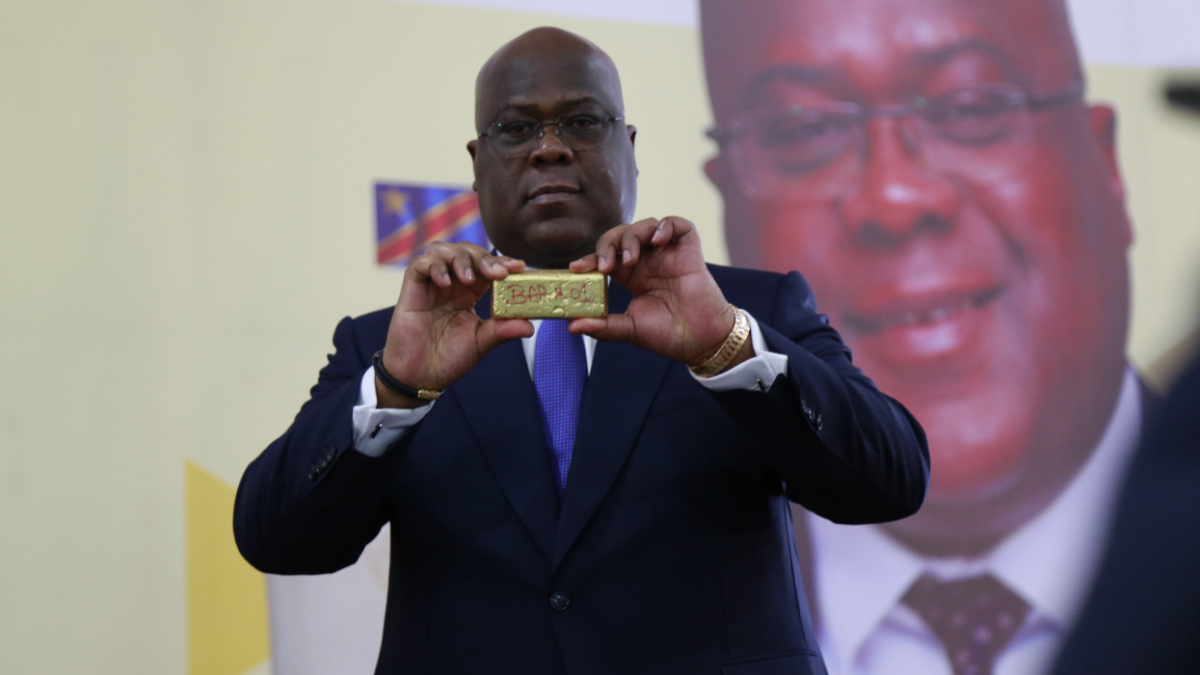
![President of the Democratic Republic of the Congo Felix Tshisekedi holds the first gold legally exported at a ceremony in Kinshasa, Democratic Republic of the Congo, on January 13, 2023. [Photo by Justin Makangara/Anadolu Agency via Getty Images]](https://ocdn.eu/pulscms/MDA_/a891dee0a4d69b9567fa03a042d80bae.jpg)
The Democratic Republic of Congo will begin enforcing a long-delayed requirement for mining companies to transfer local ownership stakes by July 31, 2026.
- The Democratic Republic of Congo will enforce a law requiring mining companies to transfer 10% equity to Congolese nationals.
- Of this 10%, half (5%) must go specifically to company employees.
- Major global mining firms like Glencore and Ivanhoe Mines have been formally notified to comply or face regulatory sanctions.
- A committee was formed to finalize the implementing decree after a meeting between the government and industry representatives.
This enforcement comes despite ongoing concerns from foreign mining operators regarding implementation details.
Under the legal framework, foreign miners must transfer a 10% equity stake to Congolese nationals, which includes a mandatory 5% allocation reserved specifically for company employees.
DON'T MISS THIS: Congo begins first-ever lithium exports to China, unlocking the world’s largest undeveloped hard-rock reserves
Government sets strict deadline for compliance
Major international mining firms operating in the country, including Glencore, Ivanhoe Mines, CMOC, and Huayou Cobalt, received written notices earlier this year requiring proof of compliance by the end of July.
Authorities warned that failure to meet this requirement would result in regulatory sanctions. Mining companies previously sought to delay the enforcement of the 2018 regulation, citing unresolved operational questions regarding valuation, share dilution, and transfer structures.
A committee established to finalize decree
Following a high-level meeting with industry representatives, the Ministry of Mines, in a social media update reported by Reuters, stated that "mining companies will have to comply with the legal provisions regarding Congolese participation in their share capital."
DON'T MISS THIS: Congo’s health crisis begins to threaten its mineral trade with the US as its rivalry with China heats up
High-profile participants at the meeting agreed that the implementing decree would be signed following limited technical amendments, leading to the creation of an ad hoc committee tasked with finalizing the official text.
DRC wants a bigger share
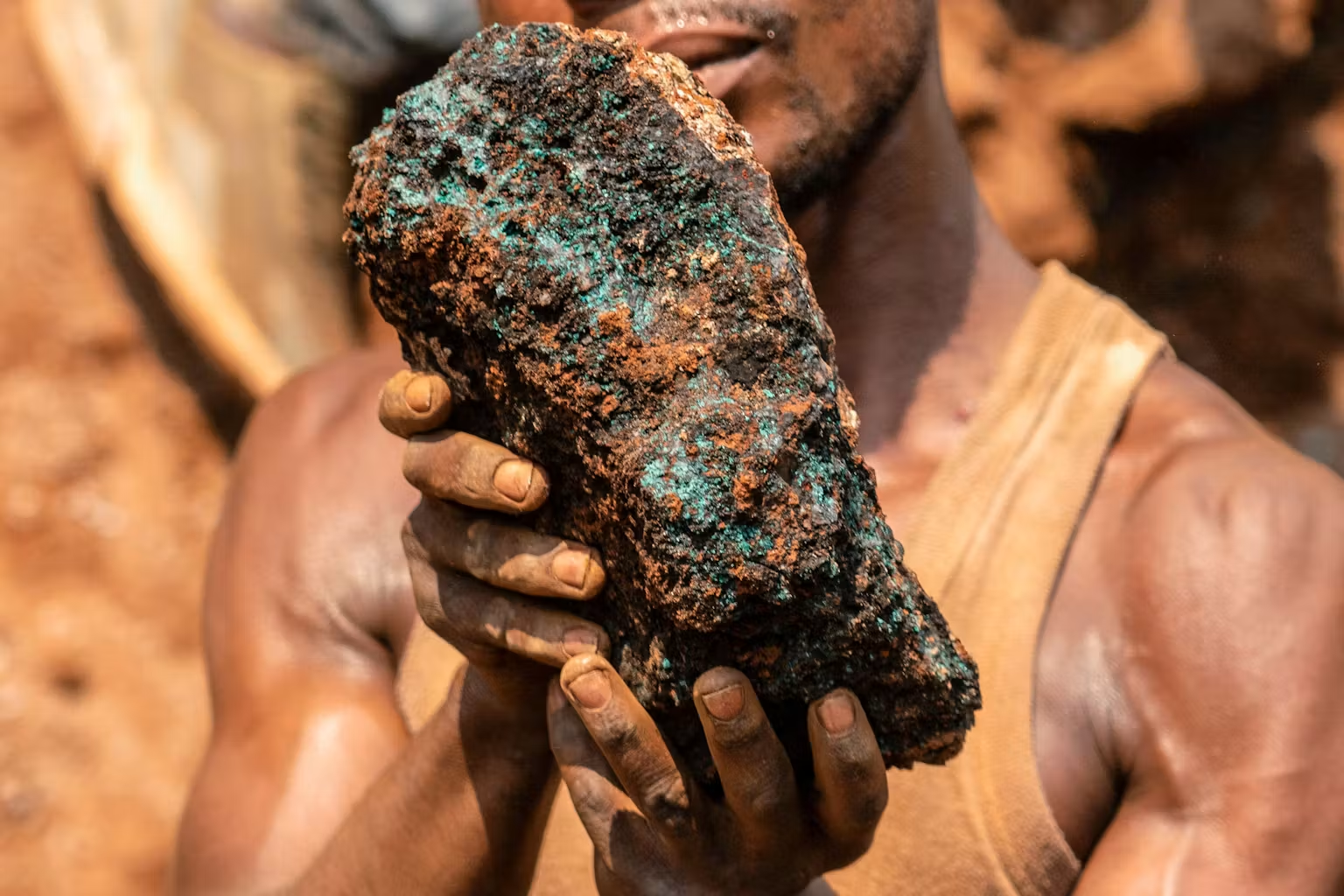
The crackdown shows that the DRC wants a bigger share of its own wealth, especially as the world's leading cobalt producer and second-largest copper supplier.
These two minerals play a vital role in today's technological space. Cobalt is used to make batteries for various gadgets and electric vehicles. Copper, on the other hand, is used for electric wires, which AI data centers heavily require.
DON'T MISS THIS: The world's top cobalt producer in Africa is rewriting its mining rules, risking investor confidence
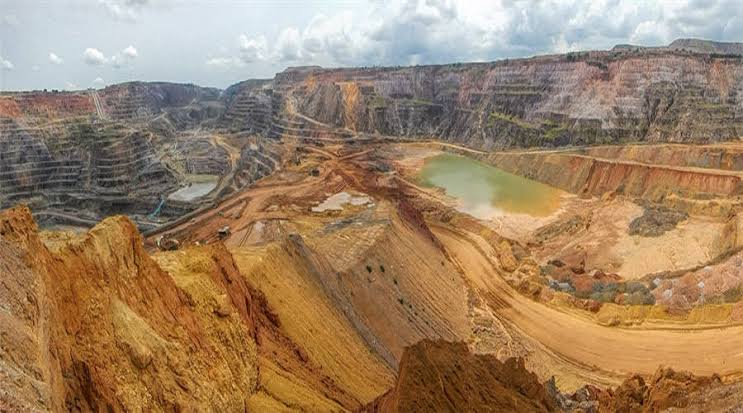
In addition to the local equity requirement, foreign mining operations in the country are subject to a non-dilutable 10% state interest that increases upon license renewals.