De La Espriella’s Security Policy Resets Colombia’s Moral Compass
As President Abelardo de la Espriella marked his first 100 days in office, he also found himself at the centre of a controversy that had little to do with the conventional assessment of his administration’s security record. Instead, over the Cartagena Independence weekend, Colombia was debating presidential manners. The occasion was the capture of Néider […]
 Black News
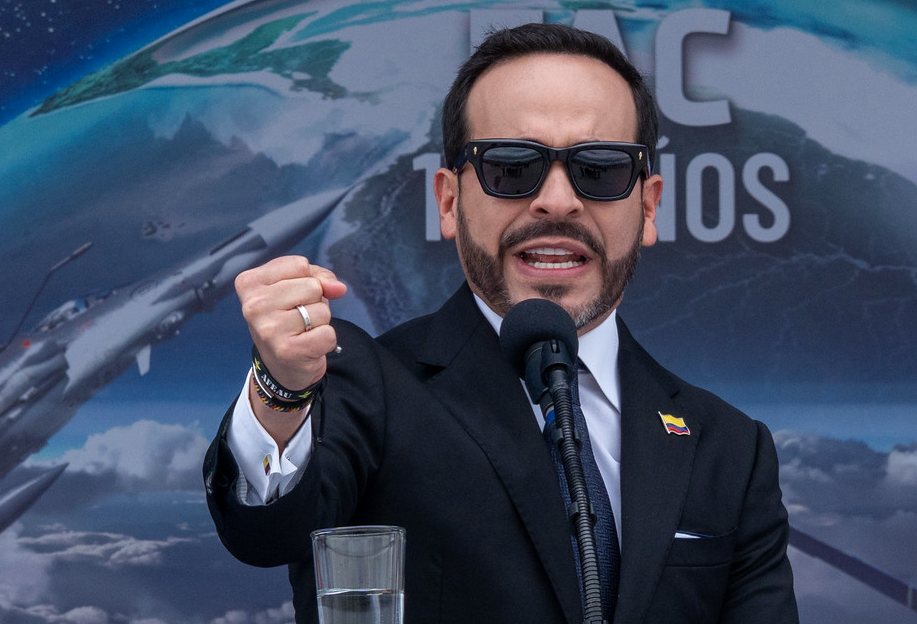
As President Abelardo de la Espriella marked his first 100 days in office, he also found himself at the centre of a controversy that had little to do with the conventional assessment of his administration’s security record. Instead, over the Cartagena Independence weekend, Colombia was debating presidential manners.
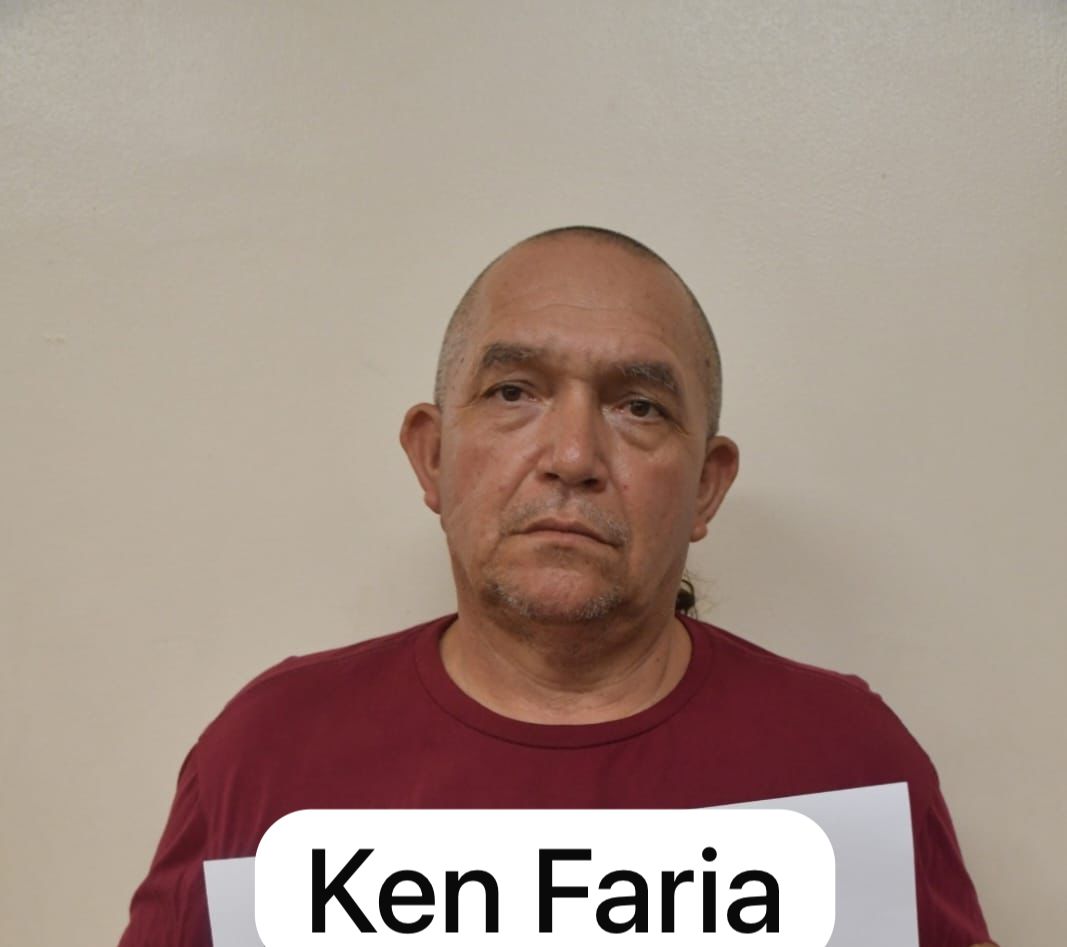
The occasion was the capture of Néider Yesid Uñates López, known as alias Primo Gay, a leading commander of the FARC dissidents in Antioquia, whose criminal activities include some of the region’s most serious recent atrocities. Among the crimes attributed to his organization are the killing of 13 Colombian police officers in Amalfi and the murder of 24-year-old journalist Mateo Pérez Rueda in Briceño.
When De la Espriella came face to face with the captured commander, there was no presidential decorum. “This piece of filth is Primo Gay,” he declared. He then turned to the detainee and added: “Miserable, despicable murderer. Look how frightened he is. He cannot even face us.”
The Commander-in-Chief was clearly not interested in preserving the language of diplomatic niceties. His message was confrontation, not conciliation.
He subsequently defended the conduct of the security forces, drawing a distinction between the state’s treatment of the detainee and the violence attributed to him. “We spared his life, just as he showed no mercy to our police officers and soldiers, because we are not like this piece of filth,” he said.
There was another message, directed not at the prisoner but at the family of Mateo Pérez. De la Espriella promised that the journalist’s death would not go unpunished, adding that the captured commander would face “a prison ship” for his alleged crimes.
And yet, within hours, the national conversation had shifted towards the President’s choice of words, the “dignity of detainees” and limits of presidential rhetoric.
This raises a question that deserves more attention than another argument over political etiquette: where, exactly, is Colombia’s moral compass pointing?
For a country that has endured decades of kidnappings, massacres, assassinations, forced displacement and systematic intimidation by illegal armed groups, can a democratically elected leader express his outrage without having his emotions immediately interpreted as political theatre?
Presidential authority carries constitutional obligations, and even the most serious criminal allegations must be examined through due process. But the right of an accused person to a fair trial does not require society, or its elected representatives, to suspend moral judgement about the atrocities under investigation. There is a distinction between protecting the rights of a detainee and displaying indifference towards the suffering of his alleged victims.
The question is not whether a President should respect the law. Of course he must. It is whether respect for the law requires the suspension of public indignation, or whether the pursuit of justice can coexist with an unmistakable expression of outrage.
The controversy has also acquired a judicial dimension. An Antioquia judge referred the President’s public statements to the House of Representatives’ Commission of Investigation and Accusation, asking it to examine whether the language used towards the detainees could have compromised their dignity and constitutional guarantees. The referral does not establish presidential wrongdoing, but it raises legitimate questions about the limits of executive conduct when suspects are presented publicly.
Those questions deserve examination. A government committed to restoring state authority must also demonstrate that its own institutions remain subject to the Constitution. The distinction between an accused criminal and a convicted offender cannot disappear, however disturbing the allegations may be.
But there is another side to this story. The President’s confrontation was not taking place in a political vacuum. It was set against the memory of 13 police officers killed when their Black Hawk helicopter was attacked in Amalfi in August 2025, and the murder of a young journalist whose reporting brought him into the path of armed men.
Pérez had travelled to Briceño in May 2026 to report on the internal conflict and dire humanitarian situation in the region. He was intercepted by Primo Gay, tortured and shot.
The President’s security message over the November weekend extended beyond Primo Gay. During the same encounters, he confronted Francisco Miguel Pacheco Ángel, alias Pata de Palo, identified as a second-in-command of the Clan del Golfo’s Roberto Vargas Gutiérrez structure. De la Espriella issued a stark warning to the organization’s members: “You have 17 days to submit to justice. If you do not surrender, I will have you taken down, as the law provides.”
He then made another point about presidential authority: “A President does not issue arrest warrants.” His argument was that the security forces, operating under the law, were responsible for carrying out the captures.
The ultimatum illustrates the administration’s determination to replace the previous government’s appeasement with terrorists with a law-enforcement security policy. Whether that approach produces lasting improvements in public safety will ultimately be measured not by presidential declarations or dramatic arrest videos, but by the ability of the state to dismantle armed structures, protect vulnerable communities and prevent further killings.
For the family of Mateo Pérez, however, the capture of a man accused of ordering their son’s murder represents something more immediate: the possibility that those responsible may finally be brought to justice.
Carlos Enrique Pérez, the journalist’s father, expressed the family’s reaction following De La Espriella’s words that brings the entire controversy into sharper focus. “It gives us a little sense of relief to see that the scum of society are finally falling,” he said.
He acknowledged that his son would not return, but added that the family felt justice was beginning served.
And perhaps that is where Colombia’s moral compass should begin to find its bearings: with the families who have buried their children, the journalists who have paid the highest price for telling the truth, police officers who never returned from duty and the communities that continue to live under the threat of drone attacks and cylinder bombs.
The President’s language can be debated. His constitutional responsibilities must be scrutinized. But the crimes that have dragged these men into custody deserve at least as much public attention as the words used to confront them.
Colombia has every right to demand dignity from its President. But it should always demand accountability from those accused of taking away the dignity, freedom and lives of its citizens with equal determination.