Everything You Need to Know About Boxer Puppies
NNPA NEWSWIRE — Raising boxer puppies is a lot of fun as long as you know what you're doing. With the help of your vet, you can adopt appropriate training tips and nutrition guidelines to ensure your furry friend grows healthily and happily.
 Black News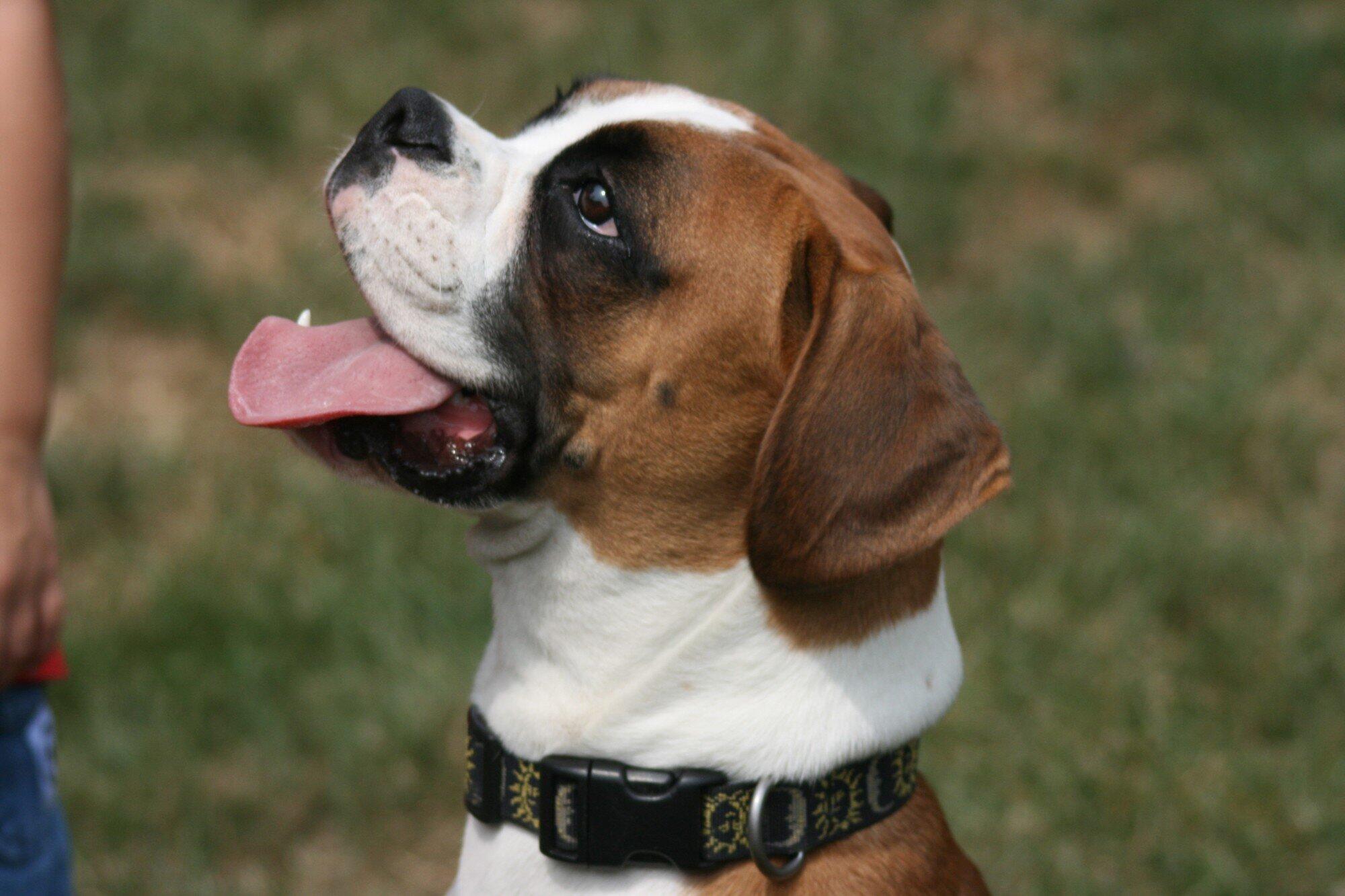
By Amy Kang
If you live in an active household, boxer puppies have the energy, loyalty, and affection to thrive in your home. They’re intelligent, easy to train, and form deep bonds with everyone in your household.
As per reports on the Trusted House Sitters, 45.5% of U.S. households owned a dog in 2024. This statistic shows that Americans clearly love their dogs. One of the breeds most homeowners love is the boxer. You’ll love this dog for its playfulness, protectiveness, and genuine devotion to your family.
If you get boxer puppies, you need to know how to care for them. Good care will ensure your puppy grows strong and healthy within your home.
What Are the Physical Characteristics of Boxer Puppies?
As you welcome a boxer puppy into your home, you’ll need to monitor their physical milestones. Here are milestones you can expect when raising boxer puppies:
- Puppy at 8 weeks: 6-10 inches tall, 8-20 pounds
- Puppy at 12 weeks: 9-13 inches, 16-28 pounds, teething stage starts here
- Puppy at 6 months: 16-19 inches, 38-48 pounds
- Puppy at 12-18 months: 21-25 inches, 55-70 pounds
- Puppy at 2 years: 21-25 inches, 55-80 pounds
When you track height and weight at each stage, you can safeguard your boxer puppy’s health. You’ll learn what boxer puppy health routines to follow to keep your puppy happy.
How Can I Care for Boxer Puppies?
Your boxer puppy deserves the best treatment. Here are some boxer puppy care tips you can try out to give your dog a quality life.
Coat Care
Regularly brush your puppy’s coat once a week with a rubber curry brush. This process will help you remove dandruff and dead hair that sticks to your dog’s coat. You should also clean your puppy with mild dog shampoo to maintain a healthy skin and coat.
Exercise
Boxer puppies are very playful. They have a lot of energy that you need to get rid of through daily exercise. Make sure you organize dog walks and games that stimulate them physically and mentally.
Parasite Prevention
If your puppy plays outside often, you need to protect it from fleas, ticks, and other parasites. Here are ways you can protect your furry friend:
- Clean up your dog’s feces regularly
- Administer vet-prescribed worming medications
- Only feed your puppy cooked food, not raw meat
- Use a preventative flea and tick treatment throughout the year
Don’t forget to contact Fry Road Animal Clinic for annual testing and physical examination. Your vet will advise you on parasite infection risks and tell you the preventative measures you should implement.
Tooth Care
While your boxer puppy isn’t at a high risk of developing a lot of dental problems, you must still take care of its teeth. Here are ways you can take care of your puppy’s teeth:
- Brushing teeth
- Using tooth wipes
- Providing dental treats and chews
- Professional dental cleanings at your vet’s
If you follow these tips, you can ensure that your puppy doesn’t suffer from dental disease. As a result, they can enjoy a comfy, happy, and healthy life.
Nail Care
Long nails on your boxer puppy may make it hard for them to stand. Also, they may accidentally scratch you. You can use toenail clippers to trim your puppy’s nails.
How Can I Train My Boxer Puppy?
Training boxer puppies is important if you want to coexist with them peacefully. Here are ways you can train them:
Train Your Puppy to Socialize With People and Other Dogs
The minute you get your boxer puppy, it’s important to socialize them with friendly people and other pets. You can use these through:
- Puppy classes
- Playdates with vaccinated dogs
- Brief introductions with friendly people
If your puppy is well-socialized, they’re less likely to be afraid and anxious. Additionally, you’ll notice that your pup is less aggressive and more confident.
Teach Your Boxer Puppy Basic Obedience
Your boxer was born to hunt. However, you don’t want them to turn their instincts into destructive behaviors. To prevent this, start teaching them commands like “Sit,” “Stay,” and “Come,” as soon as you bring them home.
Potty Train Your Boxer Puppy
It is very easy to potty train your boxer puppy. Within five to 15 minutes after you feed your pup, take them to the same potty spot every day. Once they go, give your puppy some praise and a treat.
Frequently Asked Questions
What Should You Consider When It Comes to Boxer Puppy Nutrition?
A well-fed boxer puppy is a happy puppy. Here is what your boxer puppy’s nutrition schedule should look like:
- Choose a protein-rich diet
- Don’t give your puppy dog food containing fillers, like wheat
- Give your puppy food with high-quality ingredients, like vegetables and real meat
Your puppy’s diet should have a lot of calories. This process can help to support its fast growth and development.
How Often Should You Feed a Boxer Puppy and How Much?
You should feed your boxer puppy with three or four small meals a day. This feeding schedule should go on until your pup is six months old. After that, you can reduce the time to two to three meals a day.
Since boxer puppies have a small stomach, be careful not to overfeed them. Make sure you read the guidelines on the packaging. It will tell you the feeding ration to follow daily.
What Are the Essentials I Need for My Boxer Puppy?
Taking care of a puppy is easy if you have the right equipment. You need a harness for walking your dog. It gives you control, especially if your dog loves pulling.
Next, get slow-feeder bowls. It can help your puppy eat more slowly. Since boxer puppies bloat easily, this tool will help them eat.
You should also get your dog strong chew toys. These toys are a good outlet for your boxer puppy, especially if they love chewing.
Take Good Care of Your Boxer Puppies
Raising boxer puppies is a lot of fun as long as you know what you’re doing. With the help of your vet, you can adopt appropriate training tips and nutrition guidelines to ensure your furry friend grows healthily and happily.
For more puppy care tips, subscribe to our email list.










.png?h=c12e0b96&itok=5DLPGmQb#)