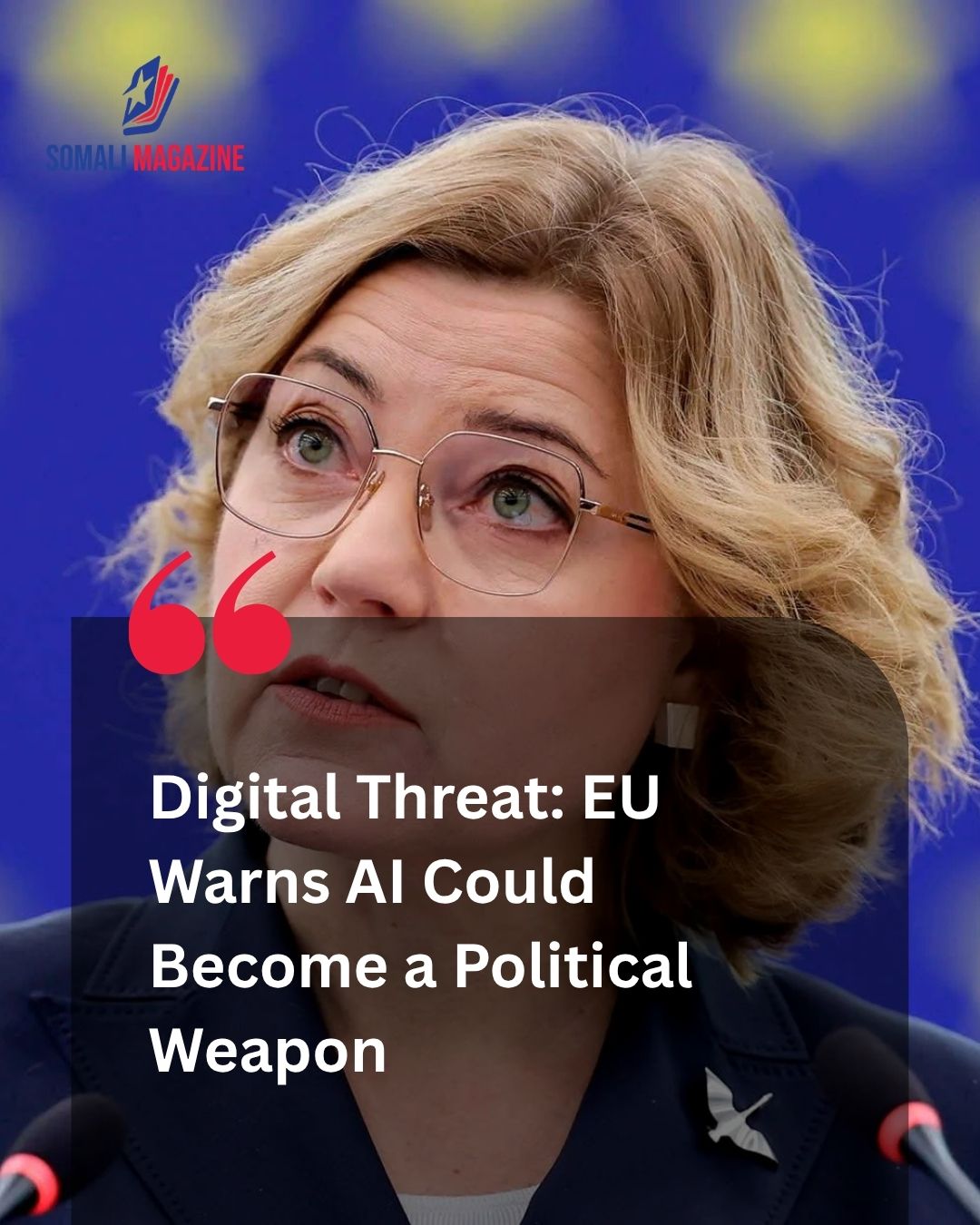
Concerns over digital sovereignty and national defense escalated across Brussels after the EU warns artificial intelligence could become a political weapon when foreign powers leverage critical technological dependencies to advance strategic interests. European Union digital and cybersecurity chief Henna Virkkunen delivered the warning, emphasizing that advanced frontier models are no longer merely commercial tools but have evolved into central instruments of geopolitical power. In her assessment, governments or private entities possessing exclusive command over leading artificial intelligence systems could potentially restrict access, cut off vital capabilities, or deploy algorithmic tools to exert political pressure on reliant foreign economies.
The European Commission’s warning follows recent supply disruptions and regulatory tension involving major American technology developers. European officials pointed to recent export control scares, including brief federal restrictions placed on cutting-edge models, as stark evidence of how fast third-country regulatory decisions can impact European digital infrastructure. European policymakers argue that allowing foreign entities to maintain near-total control over foundational algorithms exposes critical sectors—including public administration, healthcare, logistics, and defense—to sudden service revocations or political coercion.
To mitigate these systemic vulnerabilities, the European Union is accelerating legislative and economic measures designed to build robust European technological sovereignty. The strategy includes launching a specialized tech sovereignty package intended to expand domestic data center infrastructure, incentivize local cloud hosting, and financially support European artificial intelligence developers. Concurrently, European regulatory bodies are preparing to enforce strict compliance guidelines under the comprehensive AI Act, granting oversight authorities expanded powers to assess systemic risks, conduct compliance reviews, and issue substantial fines against non-compliant foreign labs.
As the global competition over frontier technologies intensifies, European leaders stress that building independent domestic capabilities is essential to preserving national security and democratic integrity. The European Commission and the European Investment Bank are establishing dedicated funding mechanisms to nurture domestic technology firms and reduce long-term reliance on external suppliers. European officials maintain that while international dialogue with global partners continues, establishing independent operational capacity remains the only definitive safeguard against external economic leverage and digital coercion in an increasingly fragmented global technological landscape.


 Black News