How dreaded dacoit Phoolan Devi became an irresistible legend
To revisit the bandit’s intensely eventful life is to be reminded of all that was done to her – and all that she refused to ignore.
 Black News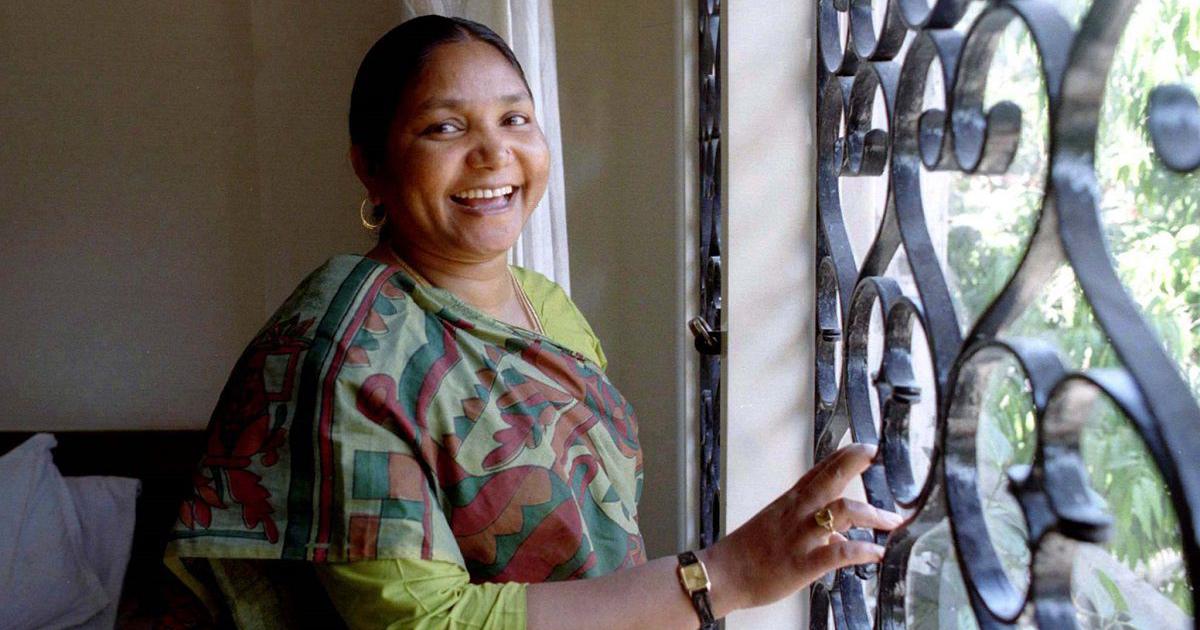

It’s hard to imagine a time when Phoolan Devi was not an icon.
Ever since news spread in the early 1980s about the “Bandit Queen”, the only woman dacoit in the Chambal Valley, Phoolan has made the headlines and fired the imagination of writers and filmmakers.
In addition to her own autobiography, there are at least three biographies of Phoolan, a graphic novel and a biopic.
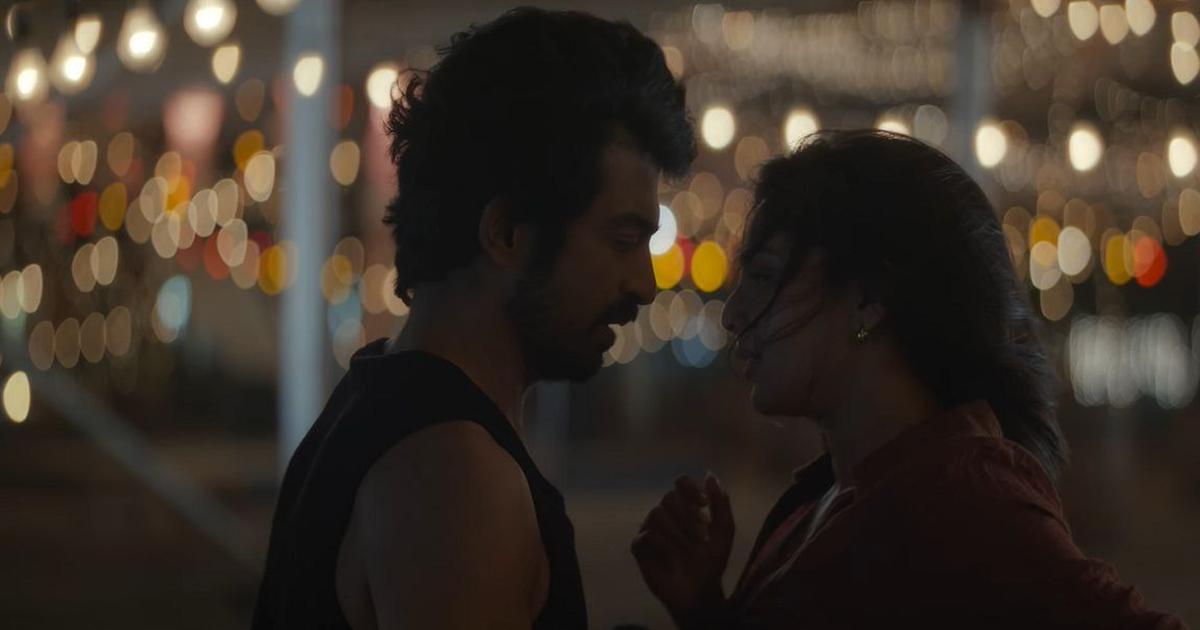
Interest in the outlaw who roamed the Chambal valley in a khaki police uniform, a double sash of bullets around her chest and a crimson-red cloth around her forehead while looting villages and avenging attacks by members of the dominant castes has been rekindled by the premiere in Toronto on September 16 of a movie by Richie Mehta titled Phoolan.
Illiterate and outspoken, aware of her talismanic power, Phoolan Devi waged a lifelong battle to have her voice heard. Many have spoken on her behalf. Many have put words into her mouth. Phoolan herself muddied the waters by offering contradictory accounts of her horrific experiences.
However, most depictions of Phoolan have some things in common: casteist prejudice, misogyny and generalised ignorance about her circumstances. To revisit Phoolan’s intensely eventful life is to be reminded of all that was done to her – and all that she...