India has made progress in reducing poverty, but World Bank estimates are flawed
The calculations rely on data, which is no longer comparable, and the final figure conceals the nature of borderline poverty among Indians.
 Black News
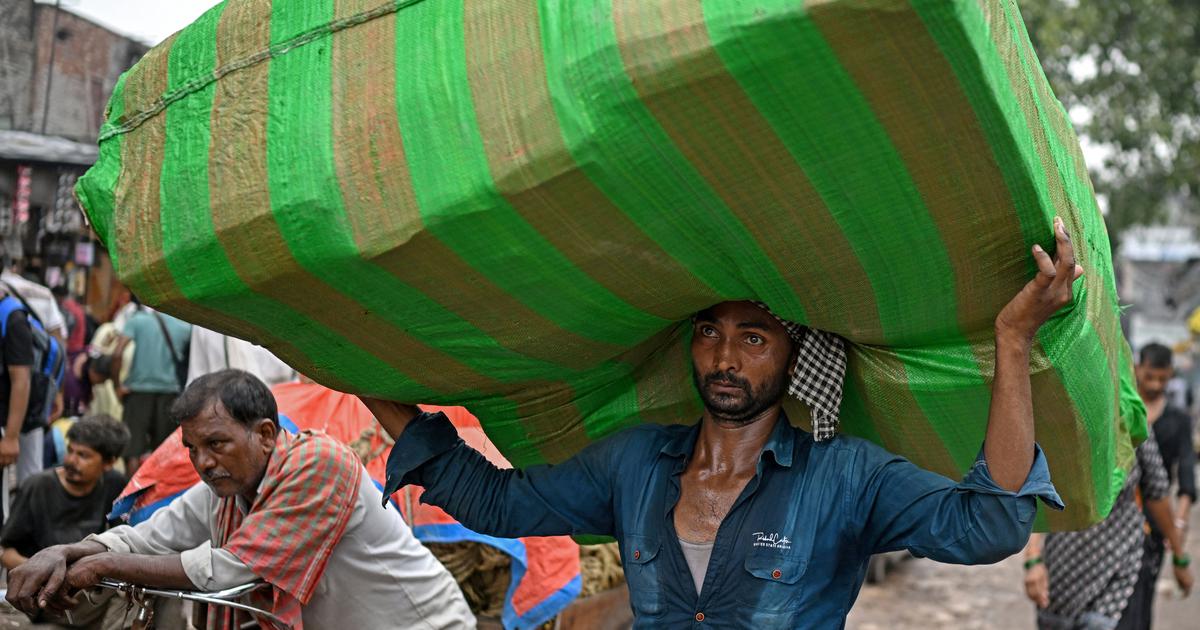

In its October 2026 Poverty and Equity Brief, the World Bank shows a sharp decline in extreme poverty in India between 2011 and 2024. But there are significant shortcomings in its calculations.
The bank says that India’s extreme poverty rate fell from 27.1% in 2011-’12 to 2.6% in 2023-’24, and that an estimated 496 million people escaped poverty over the period. This, the bank said, was one of the fastest declines anywhere in the world.
India has made real gains in food security, housing, electricity and banking for poorer households but the Bank’s estimates are based on flawed data.
For one, it is unclear how the World Bank arrived at the estimate when data on India’s household consumption can no longer be compared due to changes in survey methods.
Second, the large decline conceals the nature of poverty among Indians, including borderline existence where one setback can push a household or family back into poverty.
Data problems
The government think tank, NITI Aayog, says multidimensional poverty fell from 29.17% in 2013-’14 to 11.28% in 2022-’23, with about 24.82 crore people moving out of poverty. These estimates were arrived at based on calculations made using data from the three rounds of the National Family Health Surveys.
Other economists using India’s own poverty lines have also found low figures for 2022-’23, as The Wire’s review of...