Inside HALŌ’s creative chemistry with Matisse & Sadko, DubVision and Third Party
Knowing each other’s music is one thing; making something together is another. For HALŌ, the collective bringing together Matisse & Sadko, DubVision, and Third Party, the connection began behind the decks. Their back-to-back sets revealed a chemistry they wanted to explore in the studio, where five producers with established identities could follow ideas beyond the boundaries of their individual projects. A shared affection for euphoric melodies gave them common ground, but their different instincts offered somewhere new to go. That exchange sits at the heart of debut single ‘Live Again’, a song whose themes of rebirth and new beginnings mirror the possibilities of the project itself. HALŌ’s approach combines emotional songwriting with the scale of festival music, while leaving space for influences that range from band-inspired chord progressions to classic UK vocal samples. As they reflect on their first year, the challenge is to keep discovering what they can make together without falling back on familiar formulas. Speaking with Bandwagon after their showcase at Marina Bay Sands megaclub MARQUEE Singapore, HALŌ discuss how they navigate creative disagreements, what the dancefloor reveals about a record, and the habits they have picked up from one another. Their answers offer a glimpse into a collective learning how to balance five perspectives, both in the studio and onstage. What finally made it feel necessary to create a shared project, and what did you want to explore that you couldn’t within your existing acts? We started HALŌ through our B2B sets, where we realised how naturally our sounds blended together. There was an organic, almost magical feeling when we played side by side, and we wanted to take that into the studio. Making it an official project let us push each other creatively and build a sound that none of us would have arrived at on our own. You already share a love of melodic, euphoric dance music. Where do your instincts differ, and have those differences led to anything surprising in the studio? Even though we all live in the melodic, euphoric space, the five of us have different starting points in the studio. One of us might start from a groove-heavy low end or a band-influenced chord progression, while someone else reaches for a classic UK vocal sample or a big emotional topline first. When all five of us work on the same record, those instincts pull the track in directions none of us would have gone solo. A demo that starts as a raw club groove ends up with a massive vocal hook and melodies that feel much bigger than any one person’s style. With each of you bringing your own production instincts to HALŌ, how do you reach a point where everyone feels a track is ready? What happens when you disagree about what it needs? It varies from track to track, but a record isn’t finished until all five of us are happy with it. Finishing music is always the hardest part, no matter how many people are in the room, because everyone hears different details. When we disagree on a direction, we don’t sit around debating it; we just try the ideas in the project and play them back. Usually, once the right version is coming out of the speakers, it’s obvious to everyone. What makes a track distinctly HALŌ? Have you worked on anything together that helped you recognise where the collective’s identity begins to separate from your individual sounds? Because we all play a lot of mainstage shows, we’re naturally drawn to music that creates a strong emotional connection while still having the weight and scale to hit on a big stage. That’s really the core of HALŌ: combining emotional, melodic songwriting with the power and energy to carry a festival crowd. You played ‘Live Again’ in your sets before releasing it. How did hearing it on a dancefloor shape your understanding of the track, and did the crowd’s response influence any of the finishing touches? When you’re locked in the studio, it’s easy to overthink the details. Playing a record out live gives you an immediate reality check and shows you how it actually connects with a crowd. It also highlights technical things you only feel on a big system, such as the mix, the pacing of the energy, and how specific elements translate on a dancefloor, so you know right away what works and what needs a final tweak. There’s a sense of renewal in the title ‘Live Again’. What did that idea mean to you when you were making the track, particularly at this point in your respective careers? The idea behind ‘Live Again’ is about rebirth and starting a new chapter, which felt fitting for HALŌ as a project. As with all our releases, though, we like to leave the lyrics open to interpretation so people can attach their own experiences to the song. We wanted listeners to feel the same rush we felt making it, while still making the record their own. Much of the conversation around HALŌ has focused on a progressive house revival. Does that framing reflect how you see the project?
 Black News
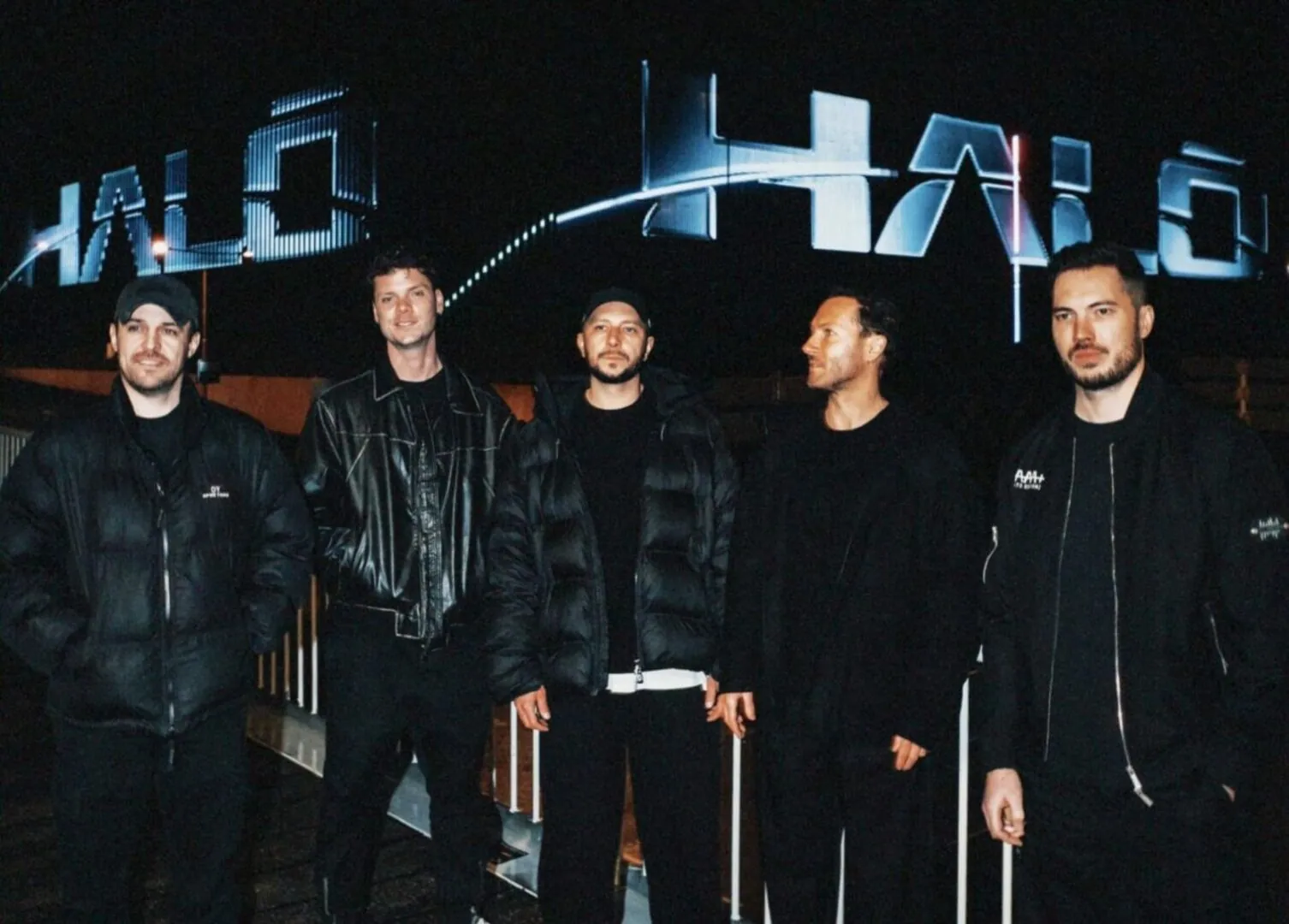
Knowing each other’s music is one thing; making something together is another. For HALŌ, the collective bringing together Matisse & Sadko, DubVision, and Third Party, the connection began behind the decks. Their back-to-back sets revealed a chemistry they wanted to explore in the studio, where five producers with established identities could follow ideas beyond the boundaries of their individual projects. A shared affection for euphoric melodies gave them common ground, but their different instincts offered somewhere new to go.
That exchange sits at the heart of debut single ‘Live Again’, a song whose themes of rebirth and new beginnings mirror the possibilities of the project itself. HALŌ’s approach combines emotional songwriting with the scale of festival music, while leaving space for influences that range from band-inspired chord progressions to classic UK vocal samples. As they reflect on their first year, the challenge is to keep discovering what they can make together without falling back on familiar formulas.
Speaking with Bandwagon after their showcase at Marina Bay Sands megaclub MARQUEE Singapore, HALŌ discuss how they navigate creative disagreements, what the dancefloor reveals about a record, and the habits they have picked up from one another. Their answers offer a glimpse into a collective learning how to balance five perspectives, both in the studio and onstage.
What finally made it feel necessary to create a shared project, and what did you want to explore that you couldn’t within your existing acts?
We started HALŌ through our B2B sets, where we realised how naturally our sounds blended together. There was an organic, almost magical feeling when we played side by side, and we wanted to take that into the studio. Making it an official project let us push each other creatively and build a sound that none of us would have arrived at on our own.
You already share a love of melodic, euphoric dance music. Where do your instincts differ, and have those differences led to anything surprising in the studio?
Even though we all live in the melodic, euphoric space, the five of us have different starting points in the studio. One of us might start from a groove-heavy low end or a band-influenced chord progression, while someone else reaches for a classic UK vocal sample or a big emotional topline first. When all five of us work on the same record, those instincts pull the track in directions none of us would have gone solo. A demo that starts as a raw club groove ends up with a massive vocal hook and melodies that feel much bigger than any one person’s style.
With each of you bringing your own production instincts to HALŌ, how do you reach a point where everyone feels a track is ready? What happens when you disagree about what it needs?
It varies from track to track, but a record isn’t finished until all five of us are happy with it. Finishing music is always the hardest part, no matter how many people are in the room, because everyone hears different details. When we disagree on a direction, we don’t sit around debating it; we just try the ideas in the project and play them back. Usually, once the right version is coming out of the speakers, it’s obvious to everyone.
What makes a track distinctly HALŌ? Have you worked on anything together that helped you recognise where the collective’s identity begins to separate from your individual sounds?
Because we all play a lot of mainstage shows, we’re naturally drawn to music that creates a strong emotional connection while still having the weight and scale to hit on a big stage. That’s really the core of HALŌ: combining emotional, melodic songwriting with the power and energy to carry a festival crowd.
You played ‘Live Again’ in your sets before releasing it. How did hearing it on a dancefloor shape your understanding of the track, and did the crowd’s response influence any of the finishing touches?
When you’re locked in the studio, it’s easy to overthink the details. Playing a record out live gives you an immediate reality check and shows you how it actually connects with a crowd. It also highlights technical things you only feel on a big system, such as the mix, the pacing of the energy, and how specific elements translate on a dancefloor, so you know right away what works and what needs a final tweak.
There’s a sense of renewal in the title ‘Live Again’. What did that idea mean to you when you were making the track, particularly at this point in your respective careers?
The idea behind ‘Live Again’ is about rebirth and starting a new chapter, which felt fitting for HALŌ as a project. As with all our releases, though, we like to leave the lyrics open to interpretation so people can attach their own experiences to the song. We wanted listeners to feel the same rush we felt making it, while still making the record their own.
Much of the conversation around HALŌ has focused on a progressive house revival. Does that framing reflect how you see the project? What feels creatively unfinished in the genre that you’re still excited to explore?
Progressive house is the sound people know us for, and we love championing it as long as we’re keeping it fresh. You can always feel when you’re getting too comfortable or making the same record twice, and that’s something we actively avoid. For us, it’s about taking the melodic DNA we love and pushing the production forward with new ideas and influences so the genre keeps evolving.
When you perform together, how much of the set is agreed in advance, and where do you leave room to surprise one another? Can you recall a moment when someone took the music in an unexpected direction?
Our sets change slightly every time, though we’re always on the same page for bigger festival shows. So much goes into those performances, from the tracklist to the timecoded lighting and visuals, and every piece has to lock together to deliver the best possible show.
At club shows, we leave a lot more room to improvise. That’s where we love surprising each other with new mashups, edits, or tracks the others haven’t heard played out yet.
Now that HALŌ has reached its first anniversary, what have you discovered about working together that you couldn’t have anticipated? Has it changed what you want to make next?
The biggest surprise has been just how naturally the chemistry translated from the DJ booth into the studio. Having all five of us in the process pushes every idea further than we initially expected when we started HALŌ a year ago, and it’s made us much more ambitious about the scale of the music and the shows we want to build next.
Finally, has working on HALŌ changed the way you approach your own projects? What have you learned from one another that you’ve taken back into your individual work?
Seeing how everyone else works in the studio definitely changes your own workflow. Some of us work very fast and get arrangements down immediately, while others spend more time dialling in sound selection and small mix details. Working together balances those habits out. You learn when to stop overthinking and trust the first idea, and when it’s worth taking the extra time to get a lead or a drum sound sitting right.