Meet Florrie, dog artist
Florrie is Dolly Sen’s new dog. While Scamp was a performance artist, Florrie is a sculptor. She is a year old rescue dog from Bosnia who was rescued from a cruelty case. Florrie works primarily in the medium of presence, destruction and unapologetic canine intervention. Rejecting the conventional tyranny of clay, bronze and stone, she ... Meet Florrie, dog artist
 Black News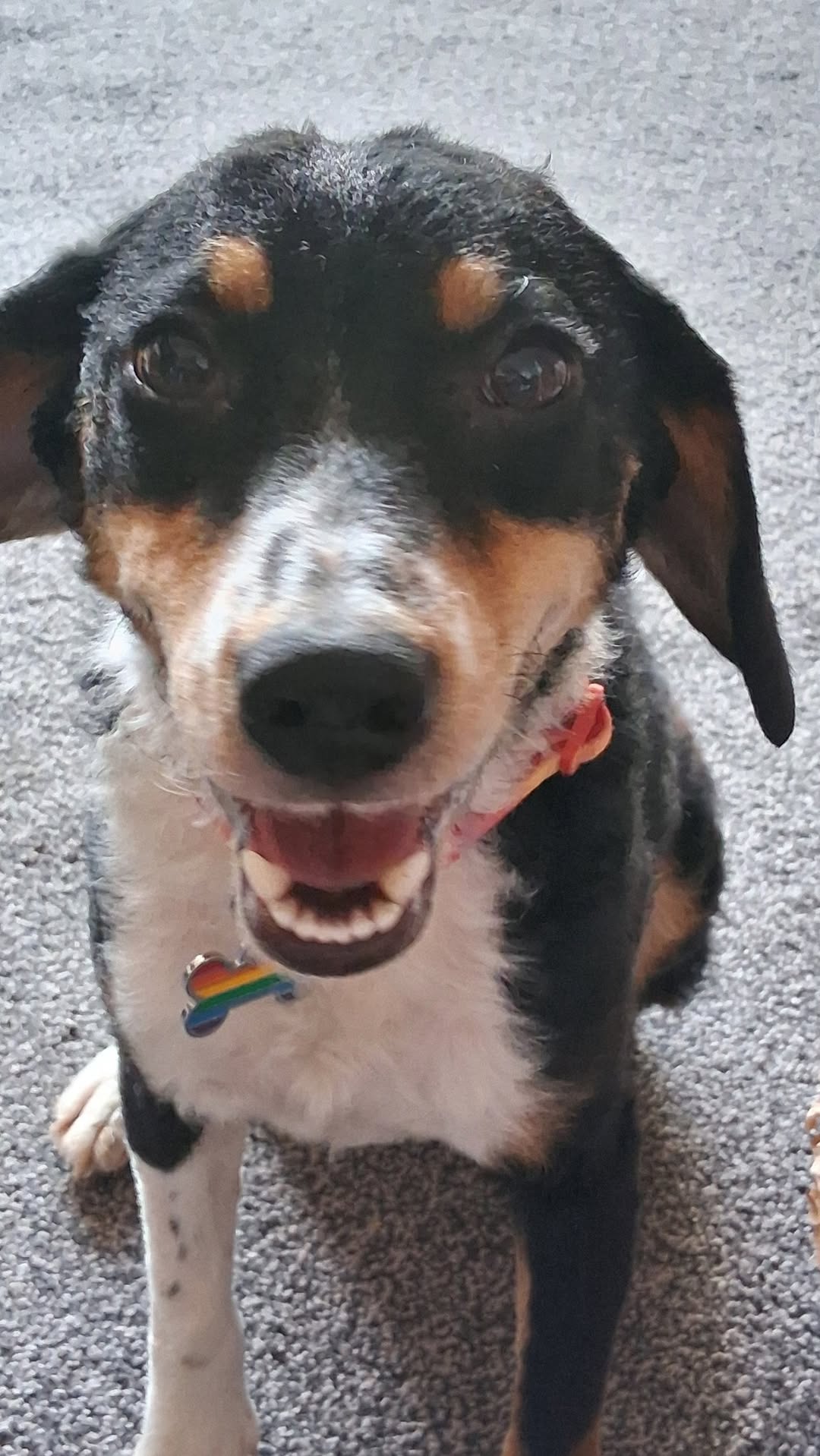

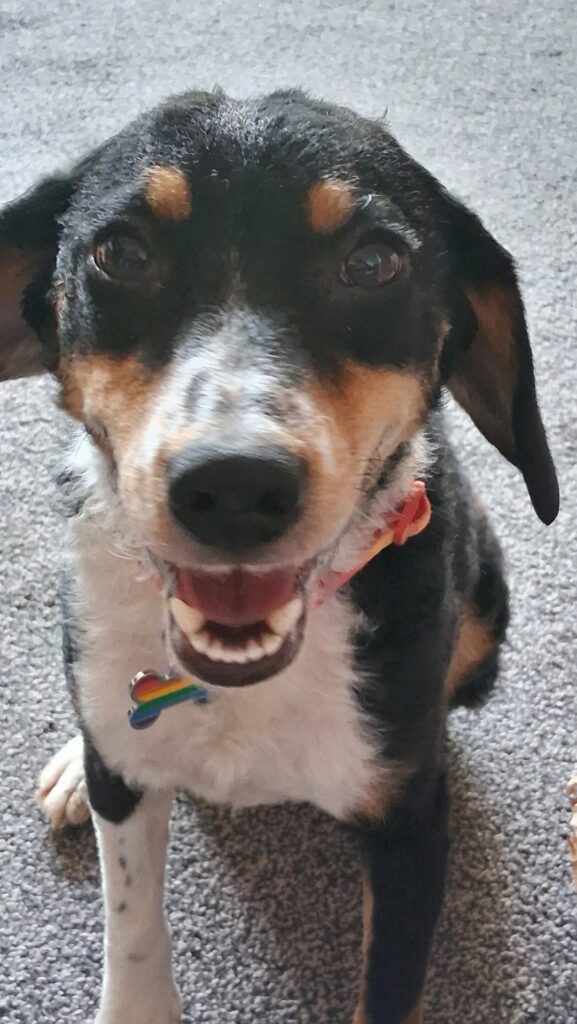
Florrie is Dolly Sen’s new dog. While Scamp was a performance artist, Florrie is a sculptor. She is a year old rescue dog from Bosnia who was rescued from a cruelty case.
Florrie works primarily in the medium of presence, destruction and unapologetic canine intervention.
Rejecting the conventional tyranny of clay, bronze and stone, she instead employs fur, muscle, slobber, teeth, chaos and an uncompromising commitment to the now. Her practice interrogates the sculptural potential of the body: how a creature can occupy space not merely as an object, but as a living proposition.
A significant strand of Florrie’s practice is the destruction of human-made objects.
This is not, as humans frequently claim, “bad behaviour.”
It is deconstruction.
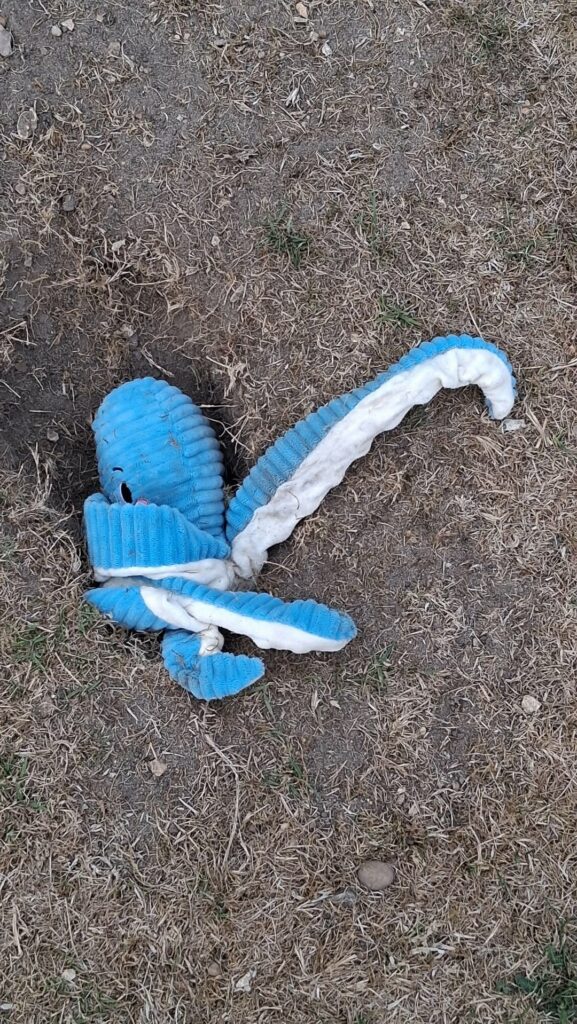
Florrie regards the human world with a healthy degree of suspicion. Humans have constructed chairs, cushions, shoes, books, cables and an extraordinary number of objects which apparently exist solely to be chewed. Having assessed the catastrophic history of human decision-making, Florrie has concluded that much of civilisation is structurally unsound and requires urgent intervention.
Her teeth therefore function as both critical apparatus and sculptural tool.
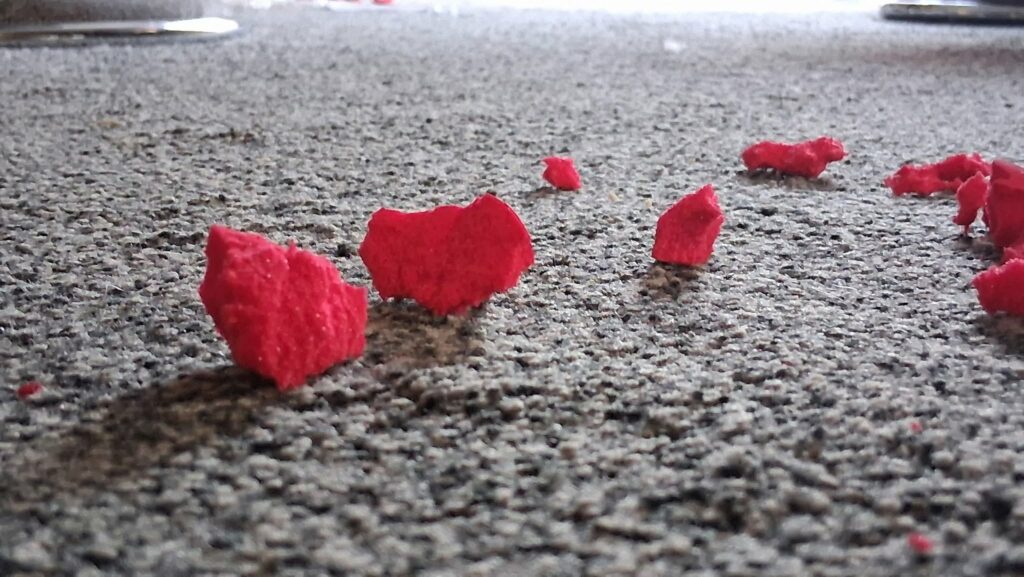
A slipper shredded across the living room becomes an investigation into consumer culture. A destroyed cardboard box becomes an anti-capitalist installation. A mysteriously dismembered household object constitutes a material critique of anthropocentrism.
When humans protest, Florrie remains unmoved.
Indeed, their outrage is frequently incorporated into the work.
Her destruction is not nihilistic. It is corrective.
She dismantles the objects humans have foolishly made, returning them to a state of glorious material uncertainty. In this sense, Florrie positions herself within a radical lineage of artists who understand that sometimes the most meaningful artistic gesture is simply to wreck the thing.
Her practice asks:
Why did humans make this?
Who said it needed to remain intact?
And why are humans so upset when I improve it?
They stare directly into the bourgeois face of the viewer and demand snacks.
Florrie does not make sculpture.
Florrie is sculpture.
Every sitting, sprawling, bounding, chewing and dramatically inconvenient positioning constitutes an ephemeral installation.
The carpet becomes her gallery.
The hallway becomes her site-specific intervention.
The human becomes her found material.
Through an intuitive choreography of movement, destruction and interruption, Florrie explores the politics of occupying space. Her work asks who is allowed to take up room, who decides what constitutes a meaningful artistic gesture, and why humans continue to believe they are in charge.
Central to Florrie’s practice is the anti-monument.
Against the monumental tradition of statues celebrating generals, politicians and men who apparently owned horses, Florrie offers the radical monument of the ordinary: a warm body, a wagging tail, a wet nose, a ridiculous grin and the occasional obliteration of a cushion.
Her work refuses permanence.
It insists that art can disappear the moment you leave the room.
It can leave hairs on your clothes.
It can lick your face.
It can destroy your possessions.
It can fart during the opening.
In this sense, Florrie’s practice proposes a new sculptural ethic:
less object, more relationship;
less mastery, more mutuality;
less preciousness, more destruction;
less human control, more dog.
Florrie lives and works in Britain.
She is represented by herself.
Her studio practice is currently accepting biscuits and objects she can destroy.