Popular ‘immune-boosting’ ideas are more a hindrance than a help
Such content is often inaccurate and corporations rely on the acceptance of this misinformation to market their products.
 Black News
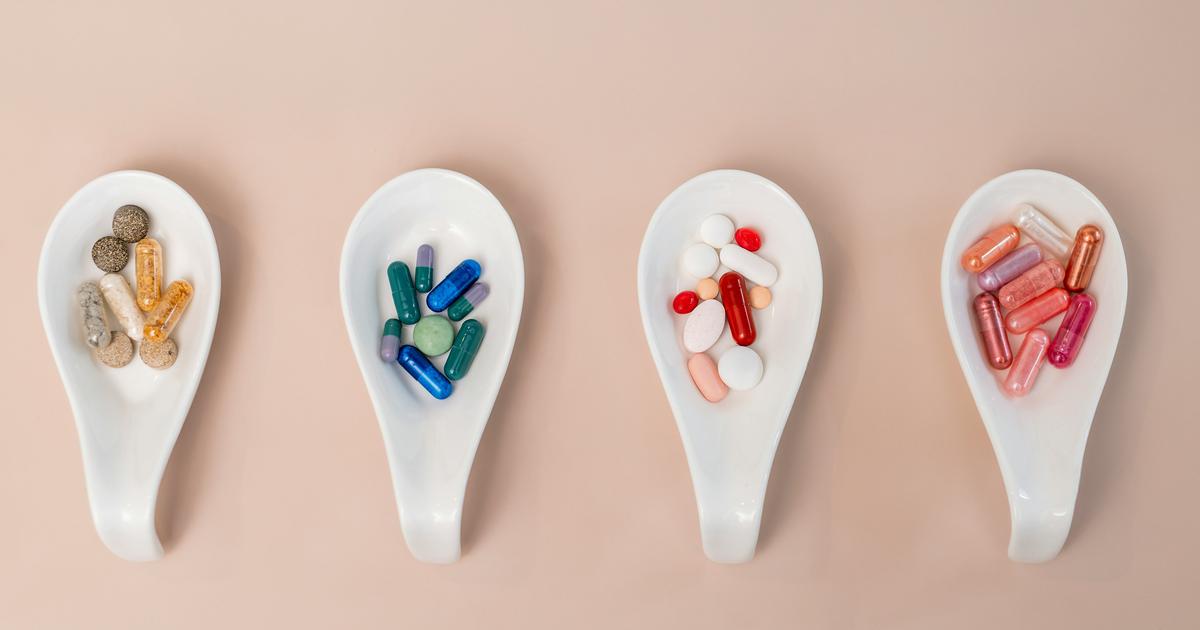

We all want a well-functioning immune system to help us fight invasive bacteria and viruses and recover faster from illness. Popular “immune-boosting” ideas, however, might be more of a hindrance than a help.
Immune boosting is an online trend. Content producers share immune-boosting recipes – from smoothies to soups to poke bowls and pumpkin loaves. Nutrition books speak of “super powered immunity” while naturopathic clinics share immune-boosting “tips”.
The “boosting” phrase has become so commonplace that it frequently appears in health content from reputable academic institutions.
The Covid-19 pandemic – more so than ever in recent memory – had the public thinking hard about immunity. As interdisciplinary public health researchers studying the influential forces that shape public perceptions, the rise of immune-boosting discourse during this time caught our attention. We researched the trending concept in Google search results and on social media sites like Instagram.
We found it to be problematic in two ways: First, content often presents scientific inaccuracies about how the immune system functions; second, it showcases corporations that push ineffective products or services. At a time when trust in evidence-based interventions like vaccines is on shaky ground, this can lead to negative outcomes for our health.
Balance, don’t supercharge
Not all immunity-boosting content is inaccurate or harmful. Information from research or medical organizations often focuses on healthy eating, exercising, getting proper sleep and avoiding the harms of tobacco and alcohol. The idea...