Should You Have to Pay to Hear the Gospel?
The Gospel may be free, but taking it on tour isn't. A debate over Philip Anthony Mitchell’s sold-out “Street Preachers” tour raises an old question for the Black church in a new form: When does funding ministry become selling it? The post Should You Have to Pay to Hear the Gospel? appeared first on Word In Black.
 Black News

For generations, the Black church has passed the offering plate to keep the lights on, pay the preacher, help the poor, and carry the Gospel beyond its walls. But what happens when the preacher leaves the sanctuary, takes a popular Christian podcast on tour — and charges admission?
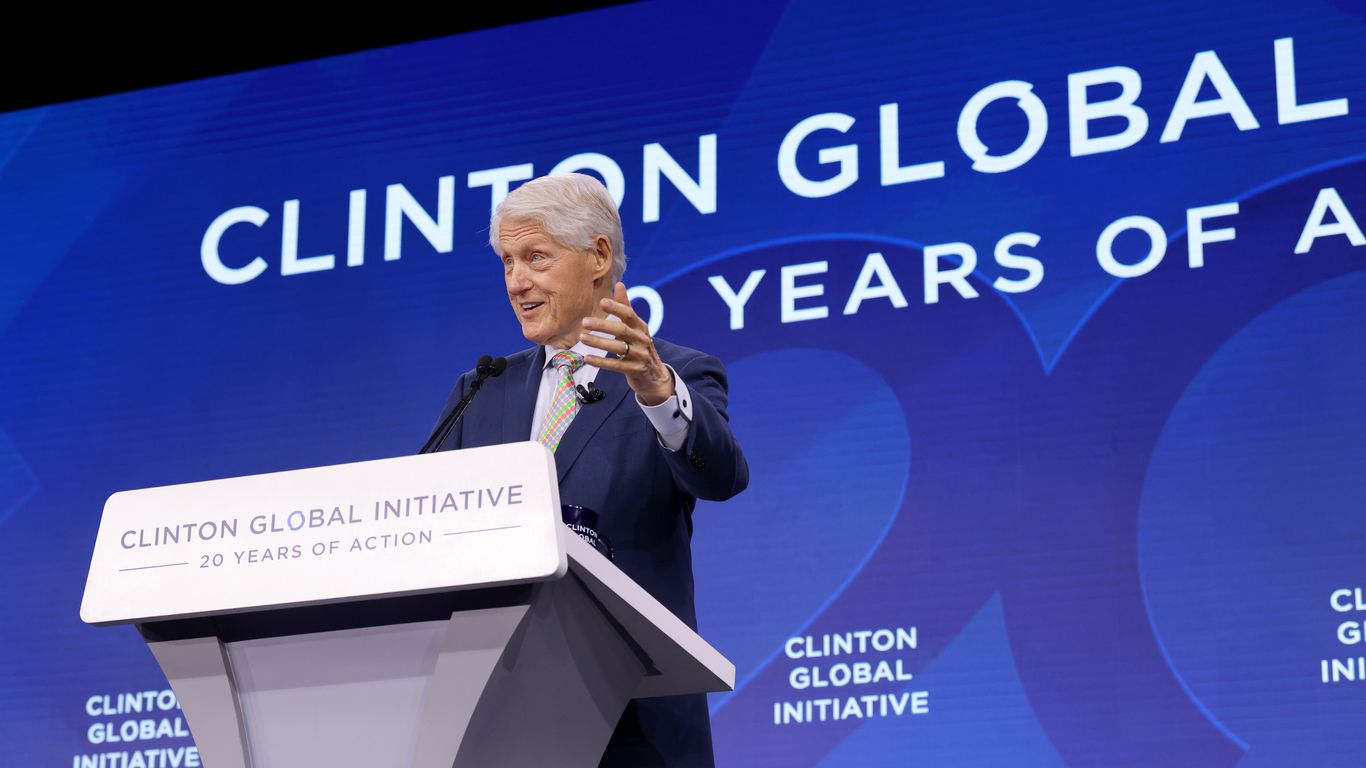
That question has placed Pastor Philip Anthony Mitchell, founder and lead pastor of Atlanta’s fast-growing 2819 CHURCH, at the center of a heated social media debate.
LEARN MORE: Is 2819 Church About Jesus — or Philip Anthony Mitchell?
Mitchell and Tim Timberlake, senior pastor of Celebration Church in Jacksonville, Florida, host “Street Preachers.” Its official website describes the program as a “raw, unfiltered podcast” committed to spreading the Gospel.
‘A Brood of Vipers’
The controversy began after ticket prices for the podcast’s 2026 tour circulated online. General admission tickets reportedly cost about $60 before fees, with premium options, including a VIP meet-and-greet package, priced at $200. Critics questioned whether ministers should charge people to attend an event promoted as an opportunity to hear the Gospel.
Others defended the pastors, arguing that Christian events — such as conferences, concerts and theatrical productions — require venues, transportation, security, equipment, staff and other expenses.
The argument became loud enough for the British publication Premier Christianity to ask directly: “Is Philip Anthony Mitchell profiteering from the Gospel?”
So hate on! I pray for you and tattoo it to my heart. ‘Blessed are those who are persecuted for righteousness sake. Rejoice and be exceedingly glad, for great is your reward in heaven.’
Pastor PHilip ANthony Mitchell, 2819 church
Mitchell answered from the pulpit last month, calling his critics “a brood of vipers.” He said the podcast is a separate, personal project to spread the word, and that neither 2819 nor Timberlake’s Celebration Church are bankrolling it.
“Now we have decided to go on a tour to take the gospel to cities, and because that’s not funded by 2819, and it’s not funded by Celebration Church, Tim and I gotta do that with our own pockets,” Mitchell said. “It’s why there is tickets. We have to pay for venues and security and productions and staff from our own pockets.”
Those “ignorant” people who disagree, and “all of you that want to tear me down in public” for charging admission don’t know that a baby boy was healed during one of the events, Mitchell said. “And you want to complain about a 60 ticket?”
“So hate on!” he said. “I pray for you and tattoo it to my heart. ‘Blessed are those who are persecuted for righteousness sake. Rejoice and be exceedingly glad for great is your reward in heaven.’”
No Church Funding
Mitchell maintained that “Street Preachers” is an independently produced podcast tour, not a worship service. He said church funds are not financing the tour and that ticket revenue helps cover the considerable cost of taking a professionally produced podcast into multiple cities.
That distinction is important. A Sunday worship service supported by congregational giving is not structured like a touring media production. Yet the presence of pastors, Scripture and Gospel language makes the boundary less visible to some believers.
The official tour schedule shows that audiences have not been discouraged. September stops in Nashville, Las Vegas and Phoenix were listed as sold out. October appearances in San Francisco, Los Angeles and Waikele, Hawaii, were also sold out, according to the “Street Preachers” tour website.
Promotional material announcing additional tour dates promised, “Better ticket options. Same Gospel. Same move of God.”
Corporate Prayer Gathering
The language gets to the heart of the dispute. If the Gospel is the attraction, some Christians argue that no one should be kept outside because they cannot afford a ticket. Others say the Gospel remains free even when people pay for the venue and experience built around its presentation.
The paid podcast tour, however, is not Mitchell’s only large-scale gathering. On Oct. 10, 2819 CHURCH will host “ACCESS — That Powerful Hour of Prayer” at AT&T Stadium in Arlington, Texas. Unlike the “Street Preachers” events, admission to ACCESS is free.
“80,000 free tickets sold out, but registration is open again,” 2819 CHURCH announced on social media.
The free gathering complicates the criticism that Mitchell is placing the Gospel behind a paywall. “Street Preachers” is presented as a separately produced podcast experience, while ACCESS is promoted as a corporate prayer gathering supported without admission charges.
The contrast raises another question: What makes one Gospel-centered event a ministry supported by donors and another a production supported by customers?
Unfiltered Preaching, Youth Appeal
Mitchell’s extraordinary visibility has intensified the debate. His congregation, composed largely of young Black adults, grew from fewer than 200 weekly worshippers in 2023 to an estimated 6,000. Some worshippers arrive before sunrise to secure a place inside.
Mitchell’s appeal rests partly in a preaching style that is simultaneously intense, vulnerable, and raw, a departure from the polished, motivational messages associated with more mainstream megachurches. In his trademark black jeans, black hoodie, and Nike Air Jordans, Mitchell draws a younger audience in numbers some pastors could only dream of.
“I’m preaching without watering that down, without filtering out things that we think might be too controversial,” Mitchell told The Associated Press.
That uncompromising image has earned Mitchell a devoted following. It also has made him a frequent target for online critics who scrutinize his theology, associations, travel, security and the growing business structure surrounding his ministry.
But the controversy reaches beyond Mitchell and Timberlake. Christian music concerts charge admission. Seminaries charge tuition. Religious publishers sell Bibles, books and devotionals. Churches pay musicians, media teams and guest preachers. Money becomes particularly uncomfortable, however, when an event is presented simultaneously as ministry and entertainment.
Ministry vs. Entertainment
Transparency is also an issue. Supporters should not assume every dollar collected becomes personal profit. Critics, however, are not unreasonable to ask whether lower-cost seats, sponsored tickets, or free admission for people who cannot pay should remain part of a Gospel-centered event.
RELATED: There’s More to 2819 Church Than an ‘Obey Cops’ Controversy
The Black church always has required resources for ministry. It also has carried a sacred responsibility to make room for people with little or nothing to give.
Mitchell’s sold-out tour proves that thousands are willing to pay to hear these “Street Preachers.” His free ACCESS gathering demonstrates that his ministry also understands the importance of removing the price of admission. The challenge is preserving that open door as Christian ministry increasingly adopts the machinery — and the economics — of popular entertainment.
The post Should You Have to Pay to Hear the Gospel? appeared first on Word In Black.