Supreme Court Opens New Term With Immigration, Voting and Gun Cases
The justices begin a consequential term featuring cases on immigration detention and deportation, proof-of-citizenship voting rules, assault-weapons bans and climate liability. The post Supreme Court Opens New Term With Immigration, Voting and Gun Cases appeared first on African American News and Issues.
 Black News
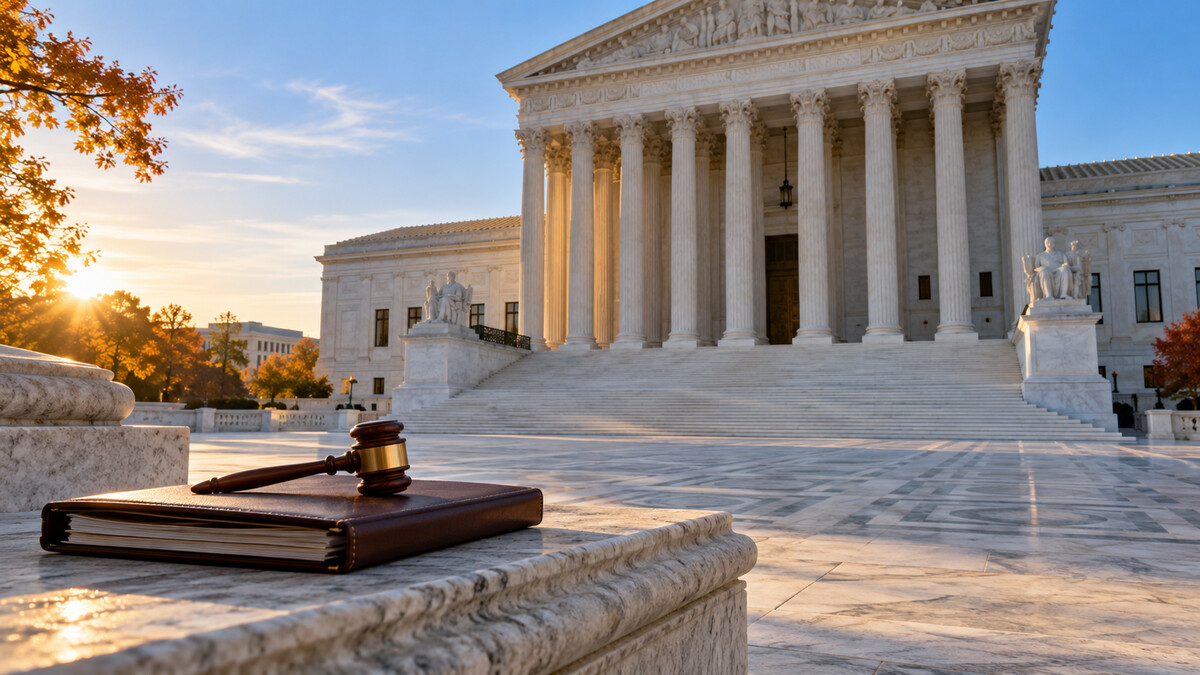
WASHINGTON — The U.S. Supreme Court begins a new term Monday with disputes over immigration enforcement, voting rules, gun restrictions, climate liability and religious rights that could reshape federal and state policy.
The court’s calendar includes two immigration cases tied to President Donald Trump’s enforcement campaign. One concerns migrants who cannot be quickly returned to their home countries and have instead been sent to third countries where they may have no prior connection. The justices will consider whether lower courts may require the government to give affected migrants an opportunity to object before removal. The court has allowed the flights to continue while the case proceeds.
A second immigration dispute challenges the administration’s policy of mandatory detention for immigrants living in the United States without legal status, including people who have been in the country for years. The government argues that those immigrants may be held without bond hearings; most federal appeals courts that have considered the issue have disagreed, according to The Associated Press.
Voting rules will also return to the court ahead of future federal elections. A case from Arizona involves requirements to show documentary proof of citizenship when registering with a state form and procedures for removing voters from the rolls when citizenship cannot be confirmed. Arguments are scheduled for December.
The outcome could carry broad consequences for voters who have difficulty accessing birth certificates, passports or other records. Voting-rights advocates have repeatedly warned that documentation requirements and voter-roll removals can burden eligible voters, including older residents, naturalized citizens and people who have changed their names. Supporters argue that the rules are needed to confirm eligibility.
The justices also agreed to hear a major Second Amendment challenge to state bans on semiautomatic rifles such as AR-15s. About a dozen states have enacted such restrictions, arguing they reduce the danger posed by weapons frequently used in mass shootings. Opponents say the bans violate the constitutional right to keep and bear arms. That case is also expected to be argued in December.
The term opens with a climate-related appeal involving lawsuits brought by Boulder, Colorado, against Suncor and ExxonMobil. Local officials want the companies to help cover costs associated with climate-related damage. The companies, supported by the Trump administration, argue that courts should not be used to impose emissions policy. Billions of dollars could be at stake across similar cases nationwide.
Another case will examine whether Colorado may exclude Catholic preschools from its publicly funded universal preschool program because their admissions policies reject children from LGBTQ+ families. The schools describe the issue as religious discrimination, while Colorado says participating providers must follow nondiscrimination rules.
The court has not yet ruled in any of these disputes. Decisions are expected throughout the term, with many likely arriving by early summer 2027.
Source: The Associated Press; U.S. Supreme Court docket information.
The post Supreme Court Opens New Term With Immigration, Voting and Gun Cases appeared first on African American News and Issues.