The Consumer Wearables Revolution: Clinical Power, Real Benefits, and the Growing Divide
Overview: Health care used to happen almost exclusively in clinic exam rooms and hospital wards. Today, millions of people monitor their vitals from their wrists, fingers, and arms. Consumer medical wearables have shifted health management from a reactive scramble after symptoms appear to continuous, proactive daily tracking. Modern wearables pack clinical-grade sensors into everyday accessories. […] The post The Consumer Wearables Revolution: Clinical Power, Real Benefits, and the Growing Divide appeared first on The Narrative Matters.
 Black News
Overview:
Health care used to happen almost exclusively in clinic exam rooms and hospital wards. Today, millions of people monitor their vitals from their wrists, fingers, and arms. Consumer medical wearables have shifted health management from a reactive scramble after symptoms appear to continuous, proactive daily tracking.
Modern wearables pack clinical-grade sensors into everyday accessories. They alert users to silent arrhythmias, monitor metabolic responses in real time, and map physiological recovery. However, while these tools hold transformative promise for preventative medicine, their real-world impact is not shared equally. For lower-income populations, who often face the highest burdens of chronic disease, significant barriers keep these life-saving technologies out of reach.
What Consumer Medical Wearables Do Today
Modern health trackers extend far beyond counting steps. They monitor critical biomarkers with medical accuracy:
Cardiac Oversight and Arrhythmia Detection
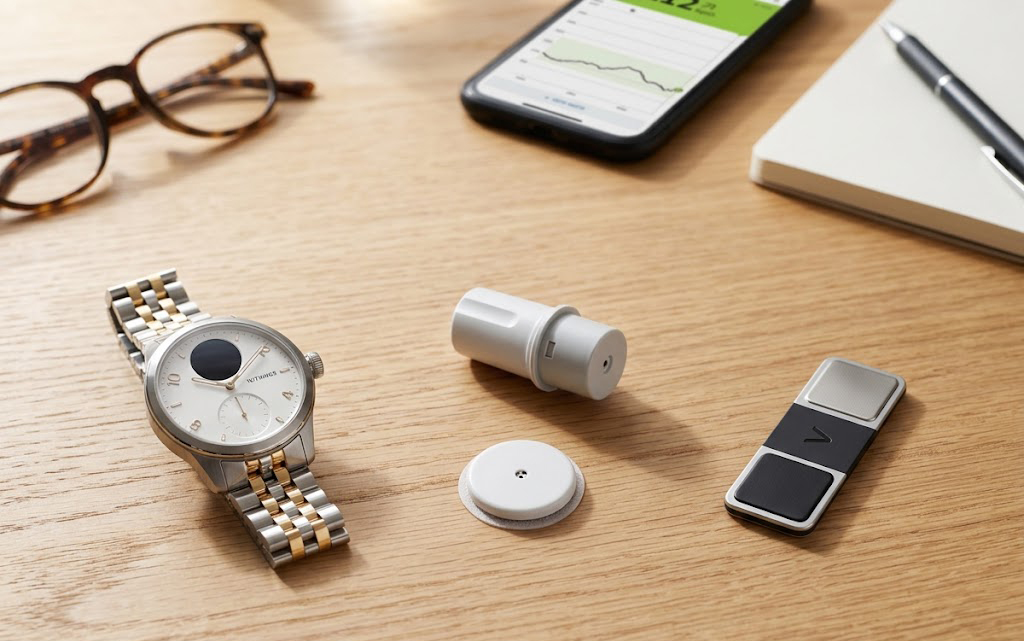
Smartwatches such as the Apple Watch and Withings ScanWatch feature single-lead, FDA-cleared electrocardiograms (ECGs) and photoplethysmography (PPG) sensors. They passively track heart rhythms to flag early signs of atrial fibrillation (AFib), monitor blood oxygen levels, and offer emergency fall detection. Specialized portable devices like the AliveCor KardiaMobile 6L take this further by providing six-lead EKG readings in thirty seconds, giving patients instant data to share directly with their cardiologists.
Continuous Metabolic Tracking
Continuous glucose monitors (CGMs), including the Abbott FreeStyle Libre, track interstitial glucose levels around the clock through a small biosensor applied to the skin. Originally engineered for managing Type 1 and Type 2 diabetes, these devices now power metabolic health platforms that help users stabilize energy levels, tailor nutrition, and optimize weight management.
Sleep Architecture and Recovery Analysis
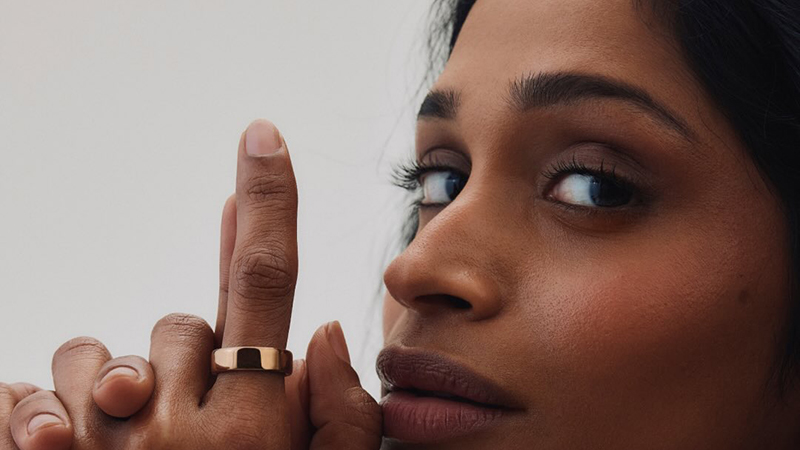
Form factors like the Oura Ring and screenless bands like WHOOP track heart rate variability (HRV), resting heart rate, respiratory rate, and subtle skin temperature fluctuations. These metrics predict oncoming illnesses, map hormonal cycles, signal overtraining, and help users calibrate daily physical strain against restorative sleep.
Key Benefits of Medical Wearables
The clinical and personal upside of continuous biometric tracking is substantial:
- Early Detection of Hidden Conditions: Conditions like paroxysmal AFib or intermittent sleep apnea often evade detection during annual physicals. Continuous tracking catches irregular patterns as they happen.
- Proactive Chronic Disease Management: For individuals living with diabetes, hypertension, or heart disease, real-time feedback loops replace guesswork with actionable, data-backed lifestyle adjustments.
- Objective Patient-Doctor Conversations: Rather than relying on vague recollections, patients can present longitudinal health reports that reveal weeks or months of biometric trends.
- Immediate Peace of Mind: Features like automated emergency SOS, fall detection, and high heart rate alerts offer reassurance to elderly individuals and patients managing acute conditions.
- The Health Equity Challenge: Barriers for Lower-Income Consumers
While the benefits are clear, the economic reality creates a stark “digital health divide.” Lower-income communities often experience higher rates of chronic illness, yet they encounter systemic friction when trying to adopt and maintain these tools.
- High Upfront Hardware Costs
Most clinical-grade wearables are expensive luxury electronics. Devices like the Apple Watch, Oura Ring, or Withings ScanWatch cost anywhere from $300 to $600 or more. For families living paycheck to paycheck, spending several hundred dollars on a preventative gadget is financially impossible.
- Hidden Recurring Subscription Fees
Device manufacturers increasingly lock key analytical insights, wellness scores, and historical reports behind paywalls. Monthly or annual subscriptions (such as those required by WHOOP or Oura) create an ongoing financial strain. When money is tight, software subscriptions are among the first expenses cut, rendering the hardware far less useful.
- Limited Insurance Coverage and Regulatory Gaps
While medical providers readily prescribe clinical CGMs and medical monitors for diagnosed conditions, coverage varies widely by insurance plan and Medicaid program. Non-diabetic individuals or those seeking preventative intervention rarely receive coverage, leaving them to shoulder out-of-pocket prices for hardware and recurring sensor replacements.
- Smartphone and Connectivity Requirements
Wearable devices depend on high-end companion hardware. They require up-to-date iOS or Android smartphones, sufficient storage space, Bluetooth stability, and reliable home broadband or mobile data plans to sync and interpret biometrics. Consumers using budget phones or prepaid data plans face frequent technical friction.
- Health Literacy and Data Overload
Raw biometric numbers are only helpful if users know how to act on them. Without clear educational framing, complex HRV curves, oxygen dips, or glucose spikes can trigger unnecessary health anxiety rather than constructive lifestyle changes. Higher-income users frequently pair their devices with private health coaches or concierge physicians who interpret their data, a luxury lower-income users rarely enjoy.
Bridging the Digital Health Gap
To ensure consumer medical technology enhances public health rather than widening health disparities, systemic changes must occur:
- Subsidies and Insurance Expansion: Medicaid and public health insurers should expand preventative subsidies for clinically validated wearables, treating them as cost-saving preventative interventions.
- Community Health Integration: Federally qualified health centers and community clinics need programs to loan devices, distribute subsidized CGM sensors, and provide nurse-led data reviews.
- Transparent, Subscription-Free Core Utilities: Manufacturers should maintain full access to essential medical-alert features, basic reports, and emergency services without locking them behind paywalls.
Medical wearables hold the power to reshape individual and collective wellness. The true test of their success, however, will not be how sleek their hardware becomes, but whether they reach the populations that need preventative health support the most.
Top Wearables inlcude:
Apple Watch Series
Top all-around medical smartwatch for FDA-cleared ECG checks, irregular heart rhythm alerts, blood oxygen tracking, and fall detection.
Website: https://www.apple.com/watch/
Withings ScanWatch
Best hybrid analog smartwatch for clinical cardiac tracking, on-demand ECG, SpO2 monitoring, and sleep apnea detection.
Website: https://www.withings.com/
Abbott FreeStyle Libre
Leading continuous glucose monitor (CGM) for real-time interstitial blood sugar tracking without routine fingersticks.
Website: https://www.freestyle.abbott/
Oura Ring
Discreet, finger-worn smart ring designed for sleep staging, continuous skin temperature monitoring, illness prediction, and heart rate variability (HRV).
Website: https://ouraring.com/
The post The Consumer Wearables Revolution: Clinical Power, Real Benefits, and the Growing Divide appeared first on The Narrative Matters.