Windhoek needs more attractions, says hospitality association
Hospitality Association of Namibia (HAN) chief executive Gitta Paetzold says a number of tourists find Windhoek boring, saying the city does not have much to offer in terms of attractions. She was commenting on urban tourism within Namibia’s largest city boundaries. The association represents the full spectrum of the hospitality industry from hotels to guest […] The post Windhoek needs more attractions, says hospitality association appeared first on The Namibian.
 Black News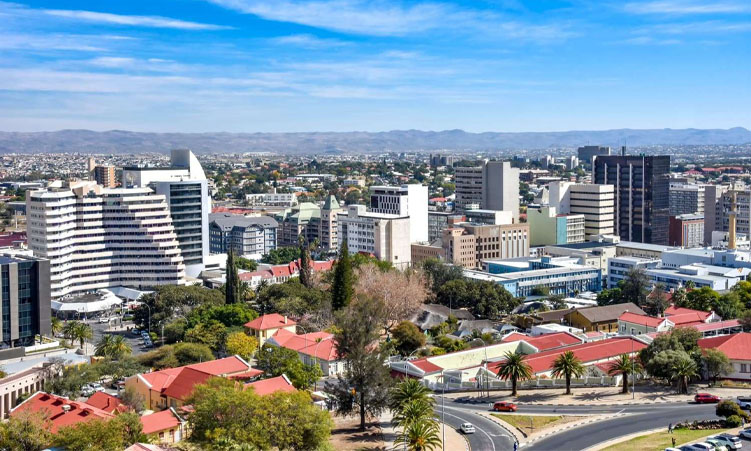

Hospitality Association of Namibia (HAN) chief executive Gitta Paetzold says a number of tourists find Windhoek boring, saying the city does not have much to offer in terms of attractions.
She was commenting on urban tourism within Namibia’s largest city boundaries.
The association represents the full spectrum of the hospitality industry from hotels to guest houses, guest farms, lodges, rest camps, restaurants, conference centres and catering services.
Paetzold told The Namibian last week that the feedback the association often gets from tourists is that the city does not have events, and the stories around existing museums and historical buildings are not properly told.
Many foreign visitors to Namibia start their adventure in Windhoek after arriving at the Hosea Kutako International Airport before they disappear to different tourism destinations.
“Some visitors do the city (tours) on their own, while we do have tour operators who offer city tours, Katutura on bike, and other means,” Paetzold said.
She said as the primary gateway to Namibia’s vast landscapes, the city’s urban tourism focuses on historic landmarks, museums, and immersive township experiences, which are typically explored via walking tours.
According to thhe HAN, the most visited city centre places include an area anchored by the 1910 Christuskirche Lutheran church; the Independence Memorial Museum and Parliament Gardens.
Her views are echoed by Anna Mafwila, the director of Katutours, a tourist company that conducts guided cycle tours of Katutura for groups of tourists for a modest fee.
“We need more organised community settings in the townships like flea-markets where tourists can buy souvenirs to take home, as well as see the vibrant Katutura population. This will also save the vendors the expense of coming to the city centre which is already congested with people selling to tourists,” Mafwila says.
She says Katutours is working with the City of Windhoek to determine what to show tourists in different parts of the city.
City spokesperson Lydia Amutenya says HAN’s statement should be viewed as constructive feedback rather than criticism.
She says Windhoek possesses a wide range of tourism assets, including cultural, historical, culinary and lifestyle experiences.
“However, there is an opportunity to further package, promote and connect these attractions into compelling visitor experiences that encourage longer stays,” Amutenya says.
She adds that the city is actively investing in tourism product development, cultural and heritage programmes, public art, festivals and destination marketing initiatives.
“Increasing visitors’ length of stay, however, is a shared responsibility that requires collaboration between the city, the tourism industry, the Namibia Tourism Board, hospitality establishments, tour operators and local communities,” Amutenya says, adding that the city conducts guided motorised tours primarily for official delegations and visiting dignitaries.
The tour of the vast Katutura township enables tourists to try the famous kapana at the Oshetu market, popularly known as Single Quarters, and see Windhoek’s informal settlements.
Other outdoor places of interest to visitors are the National Botanic Gardens; the Avis Dam Nature Reserve popular for bird watching and the Daan Viljoen Game Park.
Amutenya says there are approximately 140 operators registered with the Namibia Tourism Board in the Khomas region who also do township tours in Windhoek.
Mafwila says her clients, mainly from Europe, are fascinated by small things people normally take for granted.
“They get fascinated watching small boys playing football on a dusty pitch at some street corner because they are used to top-rate facilities in their countries,” she says.
She says tourists find it marvellous to drink oshikundu (a non-alcoholic traditional beverage), eat fat cakes, and even chat with local communities.
“At kapana stalls we sometimes have vegetarians and those who are against cruelty to animals, but those who like meat enjoy our Namibian beef because it is one of the best in the world – rangeland raised and with few chemicals in it,” she says.
“Besides the conspicuous police presence, we discourage tourists to bring along valuable items like cameras that would entice people to attempt robbing them.
“However, with the advent of smart phones, you find people asking to take pictures with the tourists,” she say.
GERMAN TOURISTS
Orupuka Tours Investment director Nelson Kangootui says German tourists come to Namibia almost every year and are familiar with Windhoek.
“Tourists coming to Namibia for the first time find the city fascinating because there are a lot of places to go and a guide has to be streetwise to know where to take people.
“We take tourists to places like the Heroes’ Acre, Oshikaindu in Wanaheda to sample cooked goat heads, and even the house where Sam Nujoma stayed in Wanaheda,” Kangootui, who has been a tour guide for about 25 years, says.
He says the biggest challenge is getting clients. “You have to know the right people for you to have clients referred to you.”
A spokesperson of Gondwana Collection Namibia says they take tourists to Okapuka Safari Lodge and the Weinberg in Windhoek.
“At Weinberg, you’re in urban life, so you get the city experience and amazing views. And then from Okapuka side, just outside Windhoek, you get the safari experience. The animal life and everything,” he says.
The post Windhoek needs more attractions, says hospitality association appeared first on The Namibian.