Womanhood can carry a price
By Gracia Mukiibi | AMA contributor I was born in the Democratic Republic of Congo, where…
 Black News

By Gracia Mukiibi | AMA contributor

I was born in the Democratic Republic of Congo, where many women—especially those denied access to education—are still treated as second-class citizens. In some communities, a woman’s voice is muted before she has the chance to discover it. Her identity is defined through others, her ambitions are narrowed by customs and traditions, and obedience is praised more readily than courage.
These realities taught me early that womanhood can carry a price. For some, that price is paid in lost opportunities, restricted choices, unpaid labour, silence, or the constant need to prove one’s worth. Yet women are not merely victims of these conditions. They are leaders, builders, carers, thinkers and agents of change—often sustaining families and communities while receiving little recognition for what they contribute.
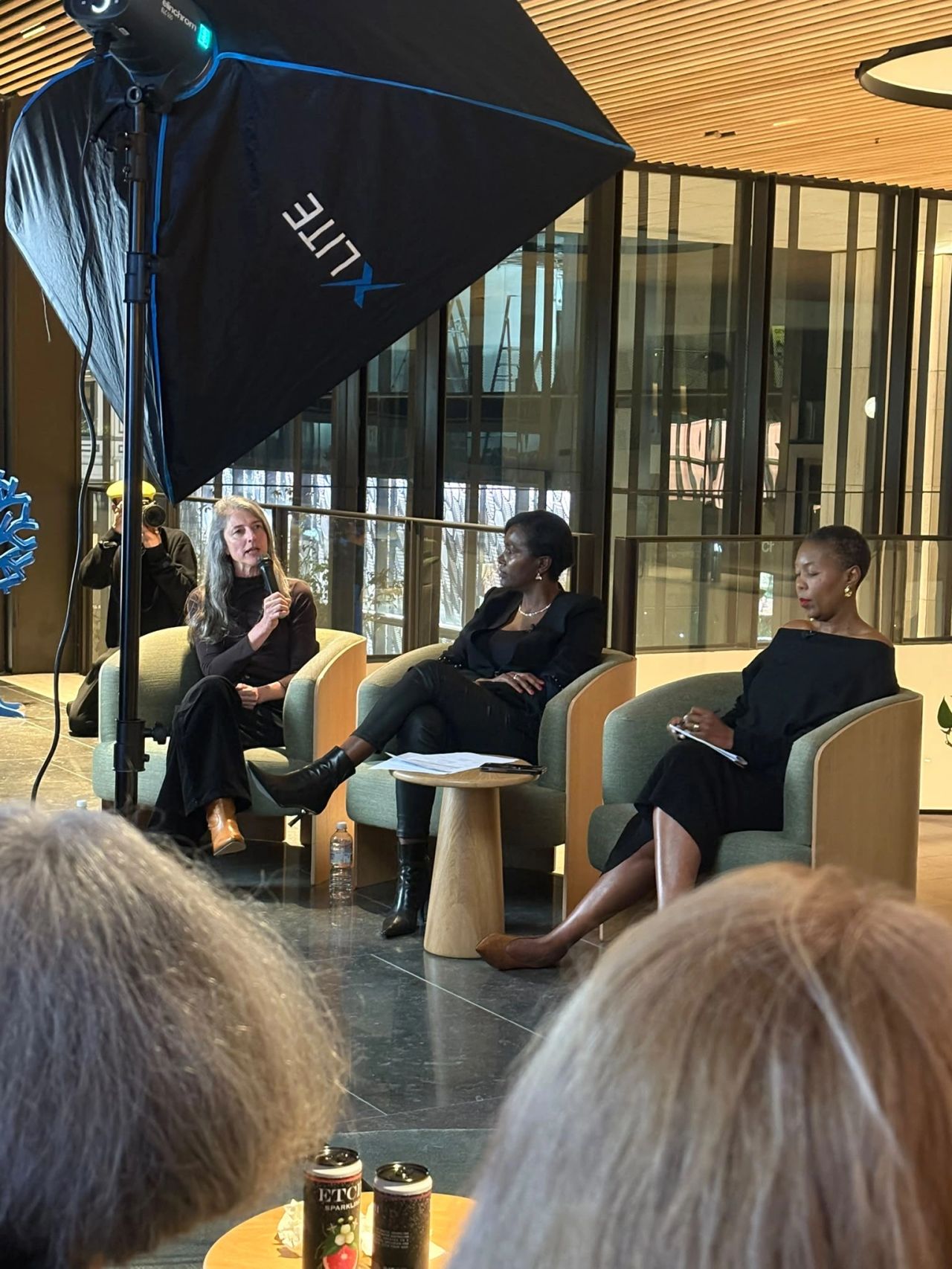
Moving to Australia broadened my perspective and gave me a platform to pursue my ambitions. I found not only a voice, but also a vehicle through which that voice could be heard. I am deeply grateful for the many opportunities I have been given to speak and be heard over the past 20 years. Most recently, Africa Media Australia invited me to share my voice on this platform.
The experience strengthened my resolve to challenge the narrow expectations imposed on women. At the same time, migration is not a simple story of liberation. A new country can offer safety, education and opportunity while exposing women to different forms of racism, exclusion and social pressure.

For many African-Australian women, belonging can feel conditional. We may be told to be grateful, quiet, agreeable or endlessly resilient. We are expected to assimilate into the wider culture while remaining responsible for preserving family and community traditions. As a teenager, I personally struggled to navigate two seemingly separate worlds: being Australian at school and Congolese at home. Reconciling these identities was often difficult, particularly when the expectations of one world conflicted with those of the other. When those expectations conflict, women can find themselves judged from every direction.
I have arrived at speaking engagements as the keynote speaker and been mistaken for hospitality staff or a cleaner by people who did not know me. Both forms of work are respectable and deserve dignity. The problem is not the occupation; it is the assumption—the reflex that places an African woman in a service role before imagining her as the person invited to lead the room.
Moments like these reveal how gender, race, accent and migration history intersect. Prejudice is not always expressed through an openly hostile statement. Sometimes it appears as surprise when an African woman is introduced as an expert, as doubt about qualifications gained overseas, or as a tendency to overlook her ideas until someone else repeats them. These small acts accumulate. They can limit confidence, access to networks, career progression and the willingness to speak freely.

It is no secret that African-Australian women remain underrepresented in leadership, media, politics and public debate. For some like Nyadol Nyuon who have engaged, it has costed them so much. Many are highly educated and bring significant knowledge and expertise, yet qualifications alone do not guarantee recognition, influence or an invitation to the table.
Too often, African-Australian women must work harder to have their contributions acknowledged. Their expertise may be overlooked, their voices undervalued and their leadership potential underestimated.
At the same time, many are balancing careers, families and community responsibilities. Carrying these many roles can be exhausting, leaving little time or energy to confront the painful experience of feeling unseen or unheard. Yet they continue to contribute, determined not to let their knowledge and expertise go to waste.
Even when included, they may be invited as symbols of diversity rather than trusted as decision-makers with authority, resources and influence. Representation matters, but visibility without power is not equality. A seat at the table must come with the opportunity to shape the agenda.