A Disabled Black Veteran Was Forced to ‘Prove’ His Service. Then He Was Shot.
What began as an argument over military service ended with a bullet lodged near a veteran’s heart. Harold James Powell, a 68-year-old Black Navy veteran and longtime street performer in Seattle, survived after being shot in the chest during a confrontation over “stolen valor” — even though he is an actual veteran. Now, months after […] The post A Disabled Black Veteran Was Forced to ‘Prove’ His Service. Then He Was Shot. appeared first on EURweb | Black News, Culture, Entertainment & More.
 Black News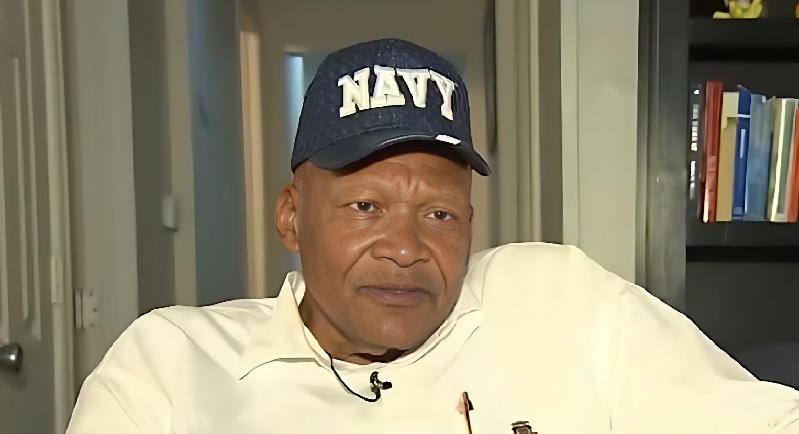
What began as an argument over military service ended with a bullet lodged near a veteran’s heart.
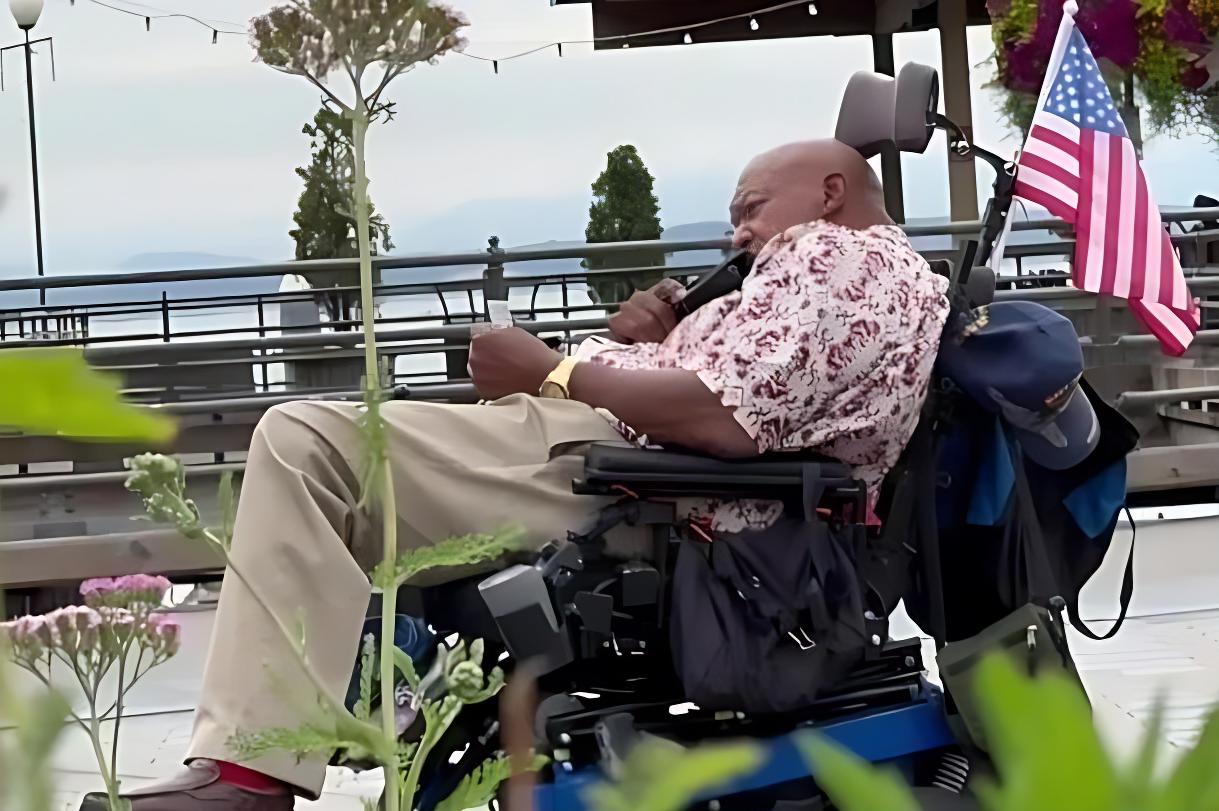
Harold James Powell, a 68-year-old Black Navy veteran and longtime street performer in Seattle, survived after being shot in the chest during a confrontation over “stolen valor” — even though he is an actual veteran.
Now, months after the shooting, the case is drawing renewed attention not only because of its racial dynamics, but because many see it as an example of how internet-style “checking” culture can spiral into real-world violence.
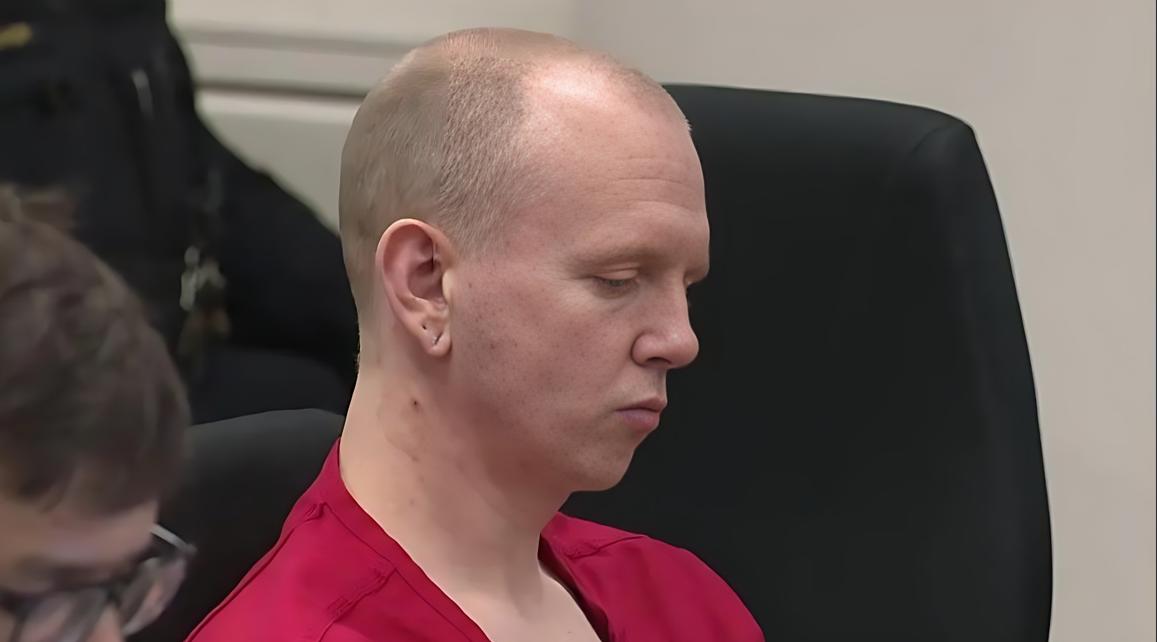
Powell, an amputee who uses a wheelchair, had been performing near Pier 55 on Seattle’s waterfront in July 2025 when Gregory William Timm approached him and accused him of falsely claiming military service.
According to court testimony and reports from the scene, Timm aggressively demanded proof of Powell’s service and eventually ripped a Navy patch from Powell’s wheelchair.
The confrontation escalated quickly.
Authorities say Powell pulled out a knife and an airsoft gun designed to resemble a real firearm. Timm then pulled out a real handgun and shot Powell once in the chest at close range.
Powell survived after emergency surgery, though the bullet reportedly remains lodged near his heart.
In March 2026, a jury convicted Timm of second-degree assault with a firearm and theft. On April 24, a King County judge sentenced him to three-and-a-half years in prison, calling the shooting a “completely senseless act.”
But There Was One Major Problem with the Accusation
Powell was not committing stolen valor.
He is a legitimate Navy veteran.
That fact has become central to the national conversation surrounding the case.
“Stolen valor” refers to falsely claiming military service, combat history, rank, or military honors that a person did not earn. Among many veterans, the issue carries enormous emotional weight because it touches on sacrifice, patriotism, and respect for those who served.
But critics say the rise of self-appointed “stolen valor hunters” has also created a dangerous culture of aggressive public confrontation.
In recent years, social media has helped fuel a growing ecosystem of viral “exposure” videos where people publicly accuse strangers of lying, faking credentials, exaggerating identity, or misrepresenting themselves.
Millions of views can come from “catching” someone in a lie.
And increasingly, ordinary people are taking on the role of investigator, judge, and enforcer in highly emotional situations.
Many observers believe the Powell case represents one of the clearest examples yet of how that culture can go dangerously wrong.
The Rise of Public “Checking” Culture
The Powell case also arrives during a time when social media increasingly rewards confrontation. Viral videos built around exposing strangers, demanding “receipts,” or publicly accusing people of fraud have become a major part of internet culture.
From so-called “stolen valor hunters” to online vigilante channels and public humiliation content, critics say some people now approach confrontations less like conversations and more like performances designed to establish authority or dominance.
In many cases, the camera — or the possibility of going viral — changes the energy of the interaction itself.
The Bigger Questions Behind the Case
For many Black Americans, the story also hits another nerve entirely.
Powell was not only disabled. He is a Black veteran publicly forced to defend his legitimacy before being shot.
That reality has sparked wider conversations online about who gets automatically believed — and who gets challenged, questioned, or forced to prove themselves in public spaces.
Historically, Black veterans have often faced complicated treatment in America despite serving the country in every major conflict.
From segregated military units to Black service members returning home to discrimination after war service, military patriotism has not always translated into equal respect or protection.
Some social media users pointed out the painful irony of the situation: a Black man who had legitimately served his country still found himself accused of fraudulence by a stranger demanding “proof.”
The fact that Timm himself reportedly had an “other than honorable” military discharge added another layer of scrutiny to the public reaction.
Meanwhile, Powell has publicly forgiven Timm, though he also said the prison sentence should stand.
The shooting continues to resonate because it reflects several modern American tensions colliding at once: gun culture, viral confrontation culture, public identity policing, and the increasingly aggressive demand for “receipts” in everyday life.
But at its core, the case may leave many people asking a simpler question:
How did a disabled Black veteran end up needing to prove he belonged before someone decided to pull a trigger?
A Republican Gun Owner accused a disabled black veteran of stolen valor.
He then proceeded to shoot the man unprovoked.
He has now been sentenced to 3.5 years in prison.pic.twitter.com/upSDoVHU67
— GOP Ls (@GOP__Ls) May 19, 2026
(If You Like/Appreciate This EURweb Story, Please SHARE it!)
MORE NEWS ON EURWEB.COM: Raised Hand Costs High School a State Title – ‘Showboating Will Not be Tolerated’ | WATCH
We Publish Breaking News 24/7. Don’t Miss Out! Sign up for our Free daily newsletter HERE.
The post A Disabled Black Veteran Was Forced to ‘Prove’ His Service. Then He Was Shot. appeared first on EURweb | Black News, Culture, Entertainment & More.