Women seen as key to Africa’s agricultural future
DAR ES SALAAM: ACROSS Eastern and Southern Africa, women plant crops, feed families and sustain local markets, yet many still lack the land, financing and leadership opportunities needed to fully benefit from their labour. Now, leaders, policymakers and development partners are calling for urgent action to remove the barriers holding women back, warning that Africa’s … The post Women seen as key to Africa’s agricultural future first appeared on Daily News. The post Women seen as key to Africa’s agricultural future appeared first on Daily News.
 Black News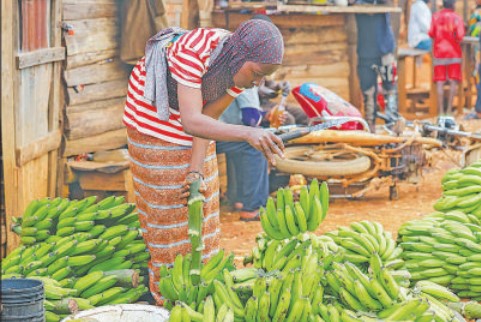
DAR ES SALAAM: ACROSS Eastern and Southern Africa, women plant crops, feed families and sustain local markets, yet many still lack the land, financing and leadership opportunities needed to fully benefit from their labour.
Now, leaders, policymakers and development partners are calling for urgent action to remove the barriers holding women back, warning that Africa’s agricultural transformation cannot succeed without fully empowering women.
The message dominated discussions during a high-level sub-regional awareness forum held in Dar es Salaam, where participants stressed that gender equality must move from policy documents into real change that improves the lives of women farmers and strengthens food systems across the region.
Opening the forum, Deputy Permanent Secretary in the Ministry of Agriculture Peter Msoffe said empowering women is not only a matter of fairness but also critical to boosting productivity, improving nutrition and strengthening economic growth.
“Agriculture remains the backbone of many African economies, and women continue to play a central role in sustaining food production systems,” he said.
Across Tanzania, women form a large part of the agricultural workforce. From preparing farms and harvesting crops to selling produce in local markets, their labour supports millions of households and contributes significantly to national food security.
Despite their contribution, many women still face major challenges in accessing land ownership, financial services, modern farming technology and decisionmaking opportunities.
Experts attending the forum noted that these inequalities continue to limit women’s productivity and income, especially in rural communities where traditional practices often favour men in matters of property ownership and leadership.
ALSO READ: Morogoro to host Classic 2026 sport event in June
Participants also highlighted the connection between women’s empowerment and family nutrition, saying women are more likely to invest in food, healthcare and education when they have greater economic control.
Although Tanzania has made progress in food production, nutrition remains a challenge in many households, particularly where diets rely heavily on cereals with limited access to fruits, vegetables and protein-rich foods.
According to experts, empowering women farmers could help address these nutrition gaps because women often prioritise the wellbeing of their families and children.
Research discussed during the meeting showed that closing the gender gap in agriculture could increase productivity by up to 30 per cent, potentially improving livelihoods, reducing hunger and strengthening economies across the continent.
To address these challenges, the government has introduced several policy reforms, including the National Gender and Women Development Policy of 2023 and the broader Development Vision 2050 framework, both aimed at promoting greater inclusion for women in economic sectors such as agriculture. However, participants acknowledged that implementation remains one of the biggest hurdles.
Deep-rooted cultural beliefs, limited awareness and inadequate resources continue to slow progress in many communities, particularly in rural areas where women still struggle to secure land rights and leadership positions. Representatives from the Food and Agriculture Organization said women are not simply participants in agriculture but key drivers of food security, nutrition and economic resilience.
FAO Representative in Tanzania Dr Tipo Nyabenyi said women make up a significant percentage of Africa’s agricultural workforce, yet many remain excluded from opportunities that could improve their productivity and livelihoods.
“Women are farmers, entrepreneurs and caretakers of household nutrition, but systemic discrimination continues to limit their opportunities,” she said.
The forum also discussed the Voluntary Guidelines on Gender Equality endorsed in 2023, which provide strategies aimed at improving women’s access to resources, leadership opportunities and agricultural support systems.
Participants described the guidelines as an important step towards building more inclusive and sustainable agrifood systems across Africa. Importantly, discussions at the meeting emphasised that gender equality should not be viewed as a women-only issue.
Experts called for stronger male involvement in challenging discriminatory norms and supporting women’s participation in agriculture, leadership and household decision-making. Development partners supporting the initiative said sustainable progress depends on cooperation between governments, communities, civil society organisations and families themselves.
In 2025, FAO and its partners launched a multi-year programme to support implementation of the gender equality guidelines and strengthen inclusive agrifood systems across the region.
Participants at the forum urged governments and institutions to increase investment in women farmers through access to training, financing, technology and markets. They said empowering women in agriculture is no longer just a social issue but a strategic investment capable of improving food security, reducing poverty and strengthening national economies.
As conversations around agriculture continue to evolve, stakeholders insist that women must no longer remain at the margins of decision-making despite being central to food production systems. The road ahead may still be challenging, but participants expressed optimism that stronger policies, greater awareness and regional cooperation can help create lasting change.
For millions of women across Eastern and Southern Africa, that change could mean more than economic opportunity. It could mean stronger families, healthier communities and a more secure future for generations to come.
The post Women seen as key to Africa’s agricultural future first appeared on Daily News.
The post Women seen as key to Africa’s agricultural future appeared first on Daily News.