59th Anniversary Of Newark Rebellion Will Be Commemorated By Peoples’ Organization For Progress On July 12th
Photos: Peoples’ Organization For Progress The anniversary of a major uprising of the 1960s will be observed this weekend by a grassroots civil and human rights advocacy group. A march and rally will be held to commemorate the 59th anniversary of the 1967 Newark Rebellion, a cataclysmic event of that turbulent era. It will take place Sunday, July 12, 2026, 2:00pm, starting at the Rebellion Monument, 250 Springfield Avenue in Newark, New Jersey. This event is sponsored by the People’s Organization For Progress (POP), which has held some form of commemoration for the uprising since the group was founded 44 years ago in 1982. “We are having this event because we believe it is important to remember what happened during the 1967 Newark Rebellion, why it happened, and how it is still relevant today,” Lawrence Hamm, Chairman, People’s Organization For Progress stated. “The 1967 uprising was one of the most consequential occurrences in the city’s 350 year history. It is integral to an understanding of present day Newark, and there are important lessons to be learned from it,” Hamm said. “It has been called the Newark riots. We do not call it a riot. We call it a rebellion because it was a collective response to the racist oppression of Black people in the city, state, and nation,” he said. The commemoration will begin with a rally at the Rebellion Monument dedicated to those killed during the unrest. It lists the names of the 26 people who were killed during the uprising. The monument is located in an area unofficially known as ‘Rebellion Park,’ which is located on Springfield Ave between Hayes Street and Irvine Turner Blvd. Participants at the event will march from the monument to the 1st Police Precinct, 10 17th Avenue, and back. The precinct is where the 1967 Newark Rebellion started. “The 1967 Newark uprising was sparked by a police brutality incident. Newark police officers beat an African-American cab driver named John Smith,” he said. “This led to a confrontation between protestors and police outside of the police precinct building in the city’s Central Ward, where Smith had been taken, which ignited the uprising that spread to other parts of Newark,” he said. The rebellion took place over a four day period. A force of 7,917 police and national guard were mobilized to put it down. A state of emergency was declared and martial law was established. When it was over 26 people had been killed, more than 700 injured and nearly 1,500 arrested. It resulted in millions of dollars of property damage. “The upheaval was catastrophic but it also gave added impetus to a dynamic movement for Black political power that led to the election of Kenneth A. Gibson as Newark’s first African American mayor and eventually a predominantly Black city council during his second term,” he said. Hamm said this year’s commemoration will focus on the ongoing problem of police brutality. He said that almost 1300 people were killed by police last year with less than 1 percent of the officers involved being charged with a crime. “We are going to demand justice for Wali Bey, Kohen Wiley, Deborah Terrell, Carl Dorsey, Major Gulia Dale III, Andrew Washington, Najee Seabrooks, Bernard Placide, and all victims of police brutality. We are going to demand that those officers that killed them be held accountable and prosecuted,” Hamm said. “This not only includes local police but also state troopers, ICE agents, National Guard, and officers belonging to other law enforcement agencies. “We are going to demand passage of bills by the New Jersey legislature that will enable cities and towns to establish police review boards with subpoena powers. “We are also going to demand passage of federal police reform legislation including the George Floyd Justice In Policing Act,” he said. The speakers at the event will include people who lived through the rebellion, family members of recent victims of police brutality, community leaders and activists. They will discuss how what happened then is still relevant today. For directions and other information call the People’s Organization For Progress at (973)801-0001.
 Black News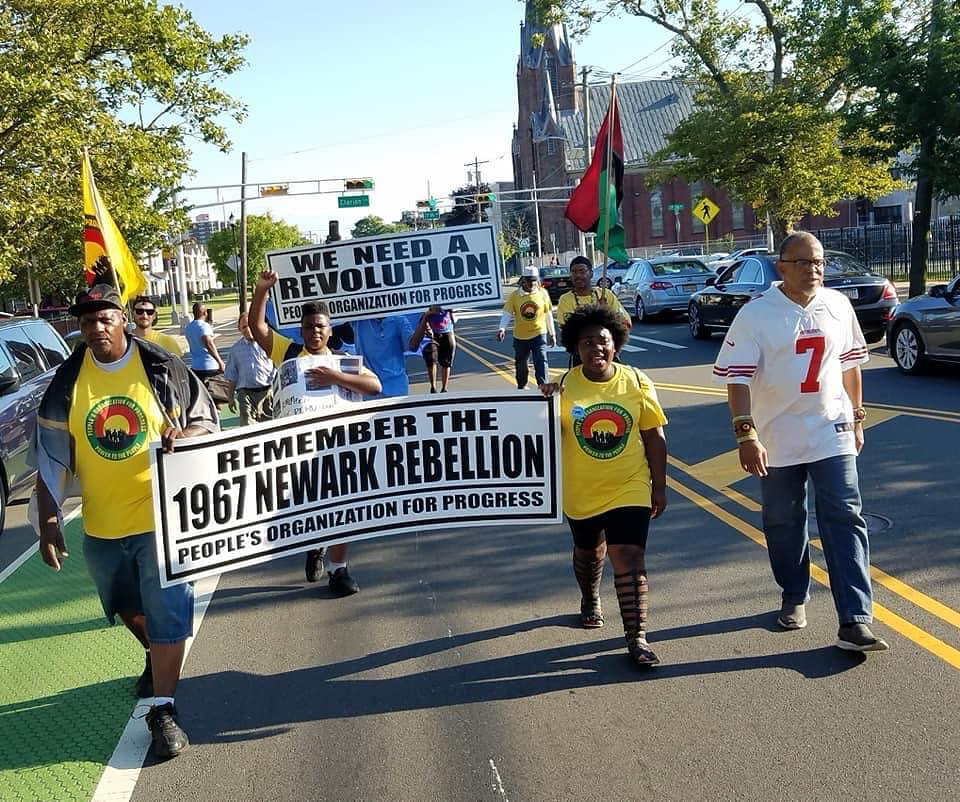
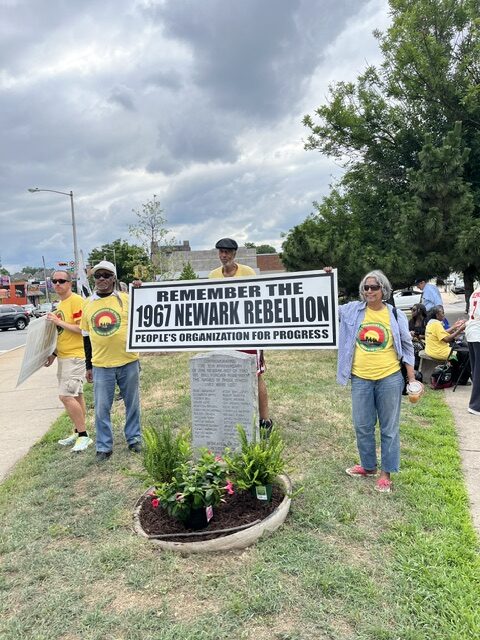
Photos: Peoples’ Organization For Progress
The anniversary of a major uprising of the 1960s will be observed this weekend by a grassroots civil and human rights advocacy group.
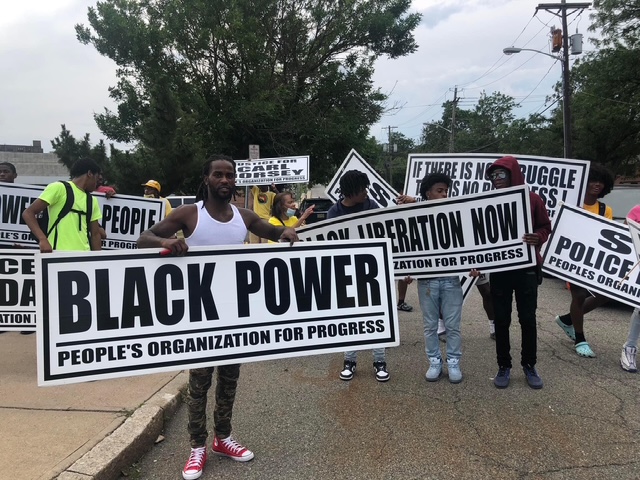
A march and rally will be held to commemorate the 59th anniversary of the 1967 Newark Rebellion, a cataclysmic event of that turbulent era.
It will take place Sunday, July 12, 2026, 2:00pm, starting at the Rebellion Monument, 250 Springfield Avenue in Newark, New Jersey.
This event is sponsored by the People’s Organization For Progress (POP), which has held some form of commemoration for the uprising since the group was founded 44 years ago in 1982.
“We are having this event because we believe it is important to remember what happened during the 1967 Newark Rebellion, why it happened, and how it is still relevant today,” Lawrence Hamm, Chairman, People’s Organization For Progress stated.
“The 1967 uprising was one of the most consequential occurrences in the city’s 350 year history. It is integral to an understanding of present day Newark, and there are important lessons to be learned from it,” Hamm said.
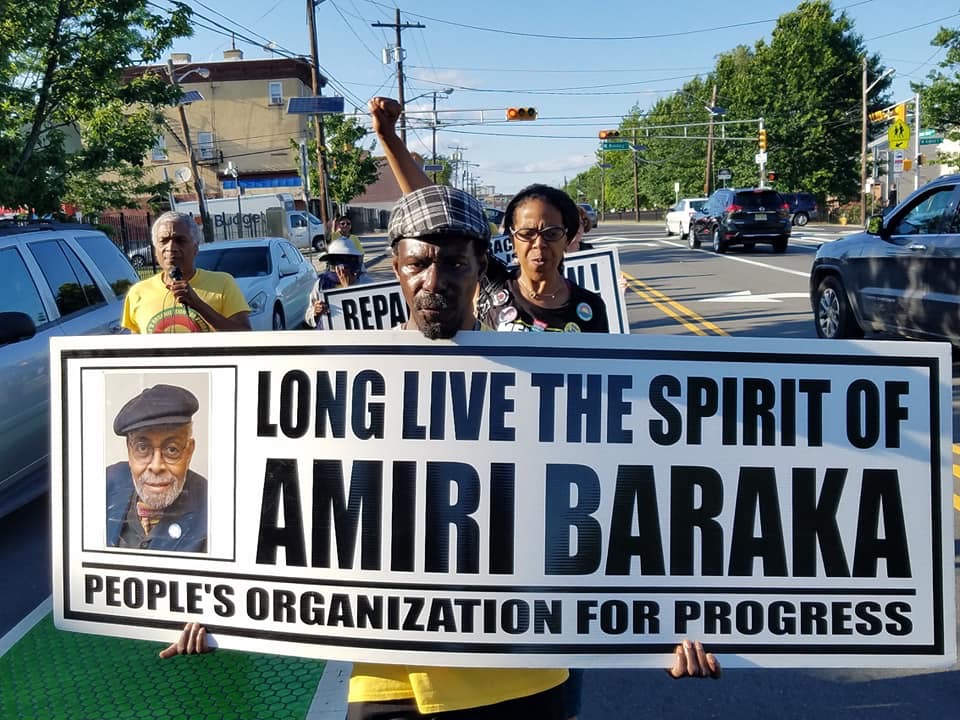
“It has been called the Newark riots. We do not call it a riot. We call it a rebellion because it was a collective response to the racist oppression of Black people in the city, state, and nation,” he said.
The commemoration will begin with a rally at the Rebellion Monument dedicated to those killed during the unrest. It lists the names of the 26 people who were killed during the uprising.
The monument is located in an area unofficially known as ‘Rebellion Park,’ which is located on Springfield Ave between Hayes Street and Irvine Turner Blvd.
Participants at the event will march from the monument to the 1st Police Precinct, 10 17th Avenue, and back. The precinct is where the 1967 Newark Rebellion started.
“The 1967 Newark uprising was sparked by a police brutality incident. Newark police officers beat an African-American cab driver named John Smith,” he said.
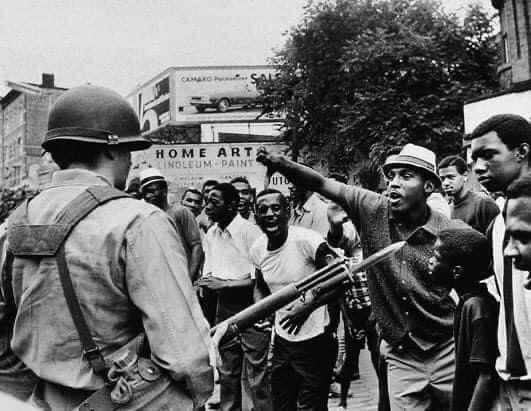
“This led to a confrontation between protestors and police outside of the police precinct building in the city’s Central Ward, where Smith had been taken, which ignited the uprising that spread to other parts of Newark,” he said.
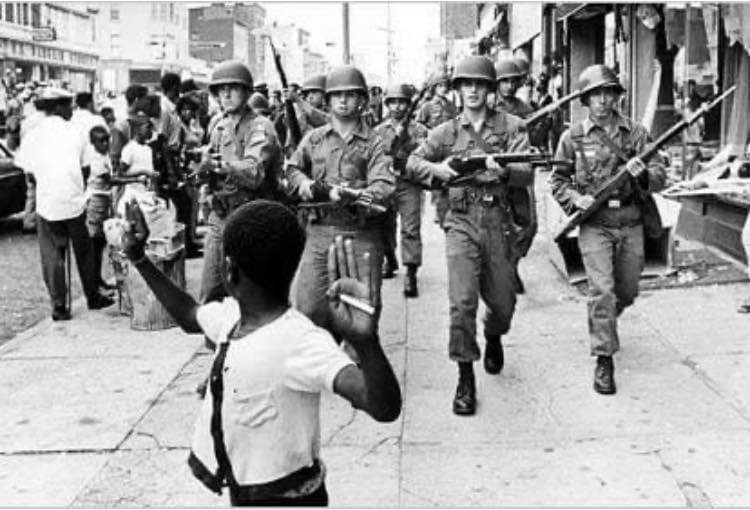
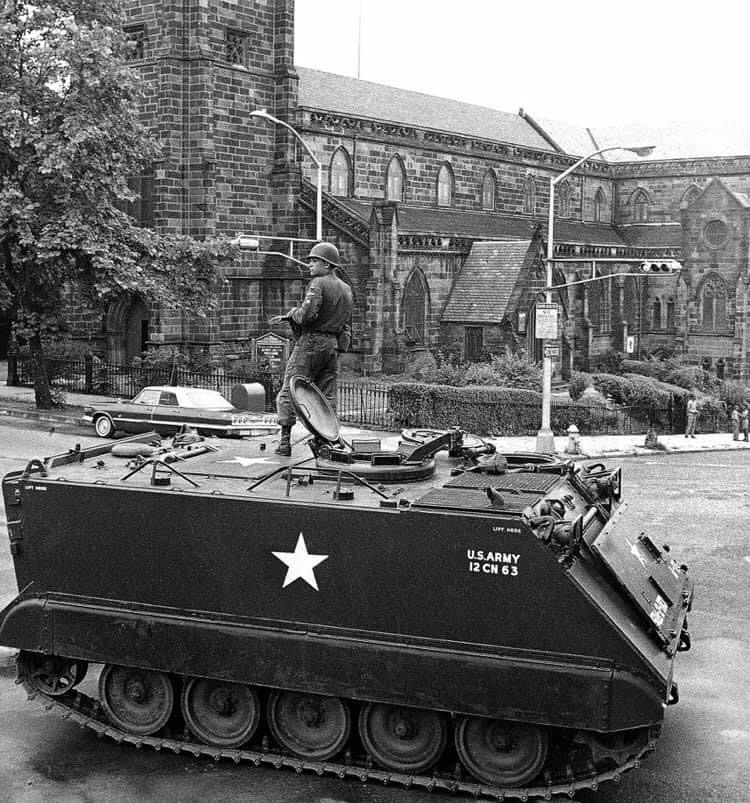
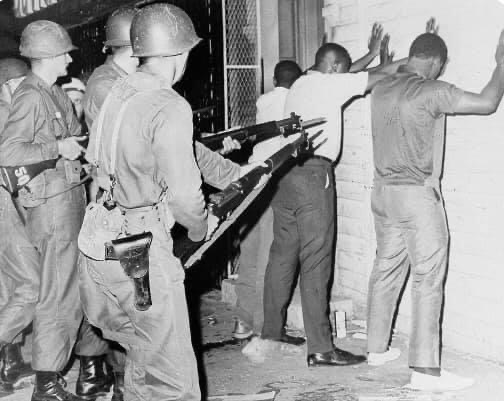
The rebellion took place over a four day period. A force of 7,917 police and national guard were mobilized to put it down. A state of emergency was declared and martial law was established.
When it was over 26 people had been killed, more than 700 injured and nearly 1,500 arrested. It resulted in millions of dollars of property damage.
“The upheaval was catastrophic but it also gave added impetus to a dynamic movement for Black political power that led to the election of Kenneth A. Gibson as Newark’s first African American mayor and eventually a predominantly Black city council during his second term,” he said.
Hamm said this year’s commemoration will focus on the ongoing problem of police brutality. He said that almost 1300 people were killed by police last year with less than 1 percent of the officers involved being charged with a crime.
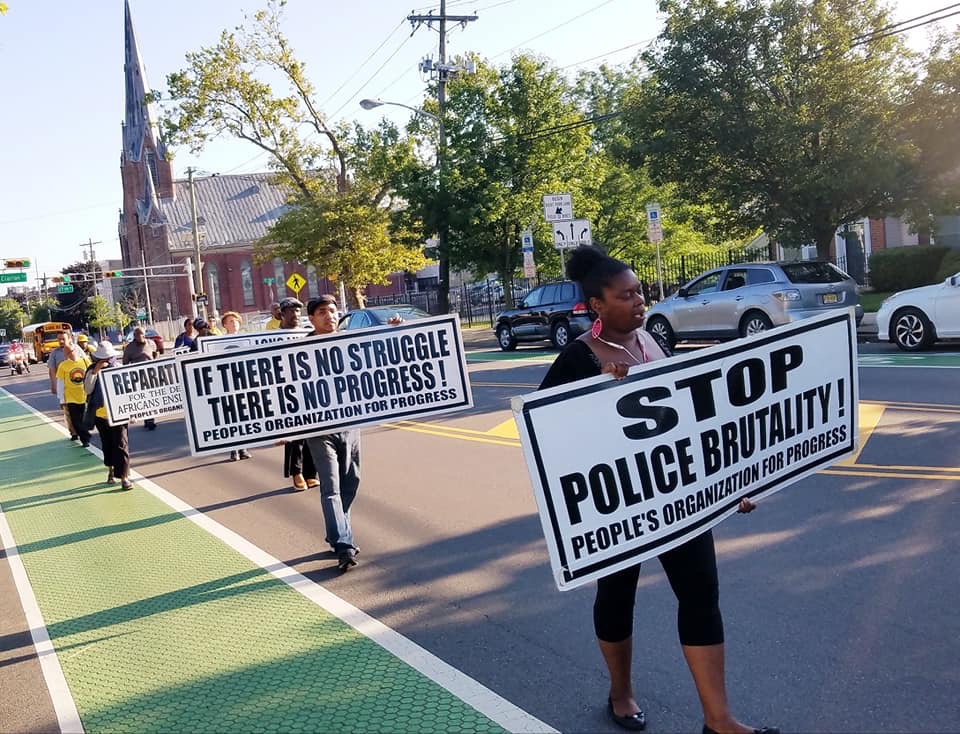
“We are going to demand justice for Wali Bey, Kohen Wiley, Deborah Terrell, Carl Dorsey, Major Gulia Dale III, Andrew Washington, Najee Seabrooks, Bernard Placide, and all victims of police brutality. We are going to demand that those officers that killed them be held accountable and prosecuted,” Hamm said.
“This not only includes local police but also state troopers, ICE agents, National Guard, and officers belonging to other law enforcement agencies.
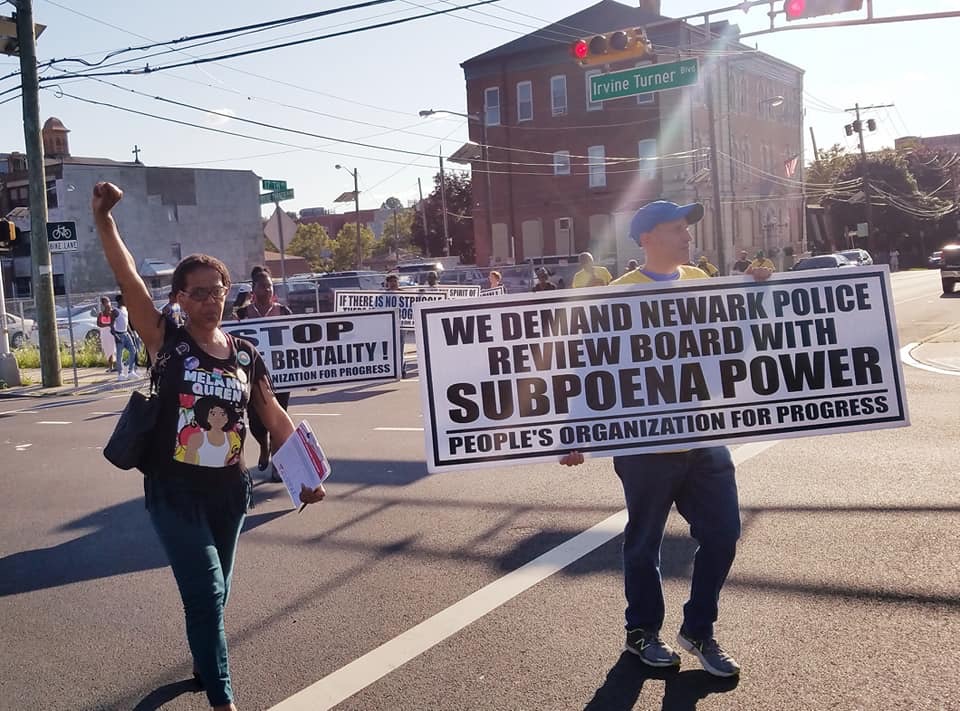
“We are going to demand passage of bills by the New Jersey legislature that will enable cities and towns to establish police review boards with subpoena powers.
“We are also going to demand passage of federal police reform legislation including the George Floyd Justice In Policing Act,” he said.
The speakers at the event will include people who lived through the rebellion, family members of recent victims of police brutality, community leaders and activists. They will discuss how what happened then is still relevant today.
For directions and other information call the People’s Organization For Progress at (973)801-0001.