

Abdullah Ibrahim Remembered as South African Jazz Loses a Global Icon
South African jazz has lost one of its most influential voices following the death of Abdullah Ibrahim on Monday, June 15, at the age of 91. His passing marks the end of a musical era shaped by innovation, resistance, and a lifelong commitment to cultural expression. Ibrahim was a pianist, composer, and cultural figure whose … The post Abdullah Ibrahim Remembered as South African Jazz Loses a Global Icon appeared first on SA Music Magazine.
 Black News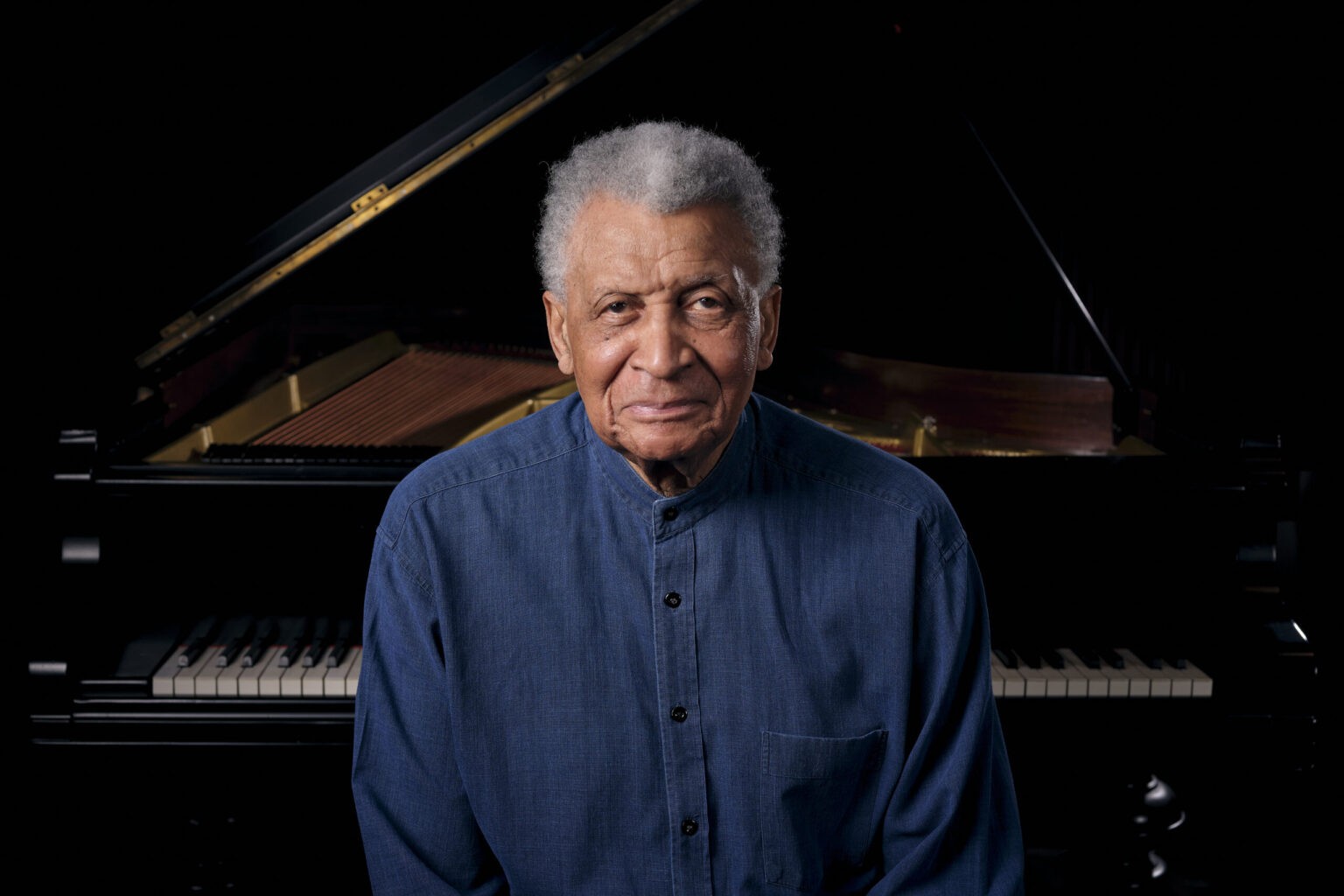
South African jazz has lost one of its most influential voices following the death of Abdullah Ibrahim on Monday, June 15, at the age of 91. His passing marks the end of a musical era shaped by innovation, resistance, and a lifelong commitment to cultural expression. Ibrahim was a pianist, composer, and cultural figure whose work carried the emotional weight of home, exile, faith, and freedom. Across decades, he built a global reputation while staying deeply rooted in the sounds of Cape Town and the township traditions that shaped his early life. His music remains central to the story of South African jazz and its place in world music history.
Born Adolph Johannes Brand, Ibrahim later became widely known as Dollar Brand before adopting the name Abdullah Ibrahim after converting to Islam. His early career placed him at the centre of a rising generation of South African jazz musicians who were redefining the sound of the country during a time of political tension. He carried township melodies into international spaces, introducing global audiences to the rhythms and structures of South African jazz. One of his most iconic works, “Mannenberg”, became a defining cultural statement linked to resilience and identity. His music often reflected lived experience, blending structured jazz forms with African musical traditions. Over time, he became a symbol of artistic resistance against apartheid-era oppression.
For readers seeking a deeper understanding of his life and influence, several books provide detailed insight into his journey. One of the most significant works is “Soweto Blues: Jazz, Popular Music, and Politics in South Africa” by Gwen Ansell, which explores the political and cultural landscape that shaped Ibrahim’s career. The book is notable because Ibrahim himself wrote the introduction, offering personal reflection on the role of music during apartheid. He describes music as a form of hope and expression during a period defined by censorship and hardship. Ansell positions him as a central figure in the evolution of South African jazz, tracing his rise from Cape Town pianist to international artist. The book also highlights his role in shaping a musical voice that carried both political meaning and artistic depth.
A key part of Ibrahim’s early legacy is his work with the Jazz Epistles, one of South Africa’s most important jazz groups. Their 1960 recording “Jazz Epistle Verse 1” is widely recognised as one of the first modern jazz albums produced in the country. The project marked a turning point in South African music, introducing a bold and innovative sound that challenged conventional boundaries. Ibrahim’s involvement in this group helped establish his reputation as a forward thinking composer and performer. The music captured both technical skill and emotional urgency, reflecting the social environment of the time. His contributions during this period remain a foundation for later generations of jazz musicians.
His years in exile also shaped the direction of his music and identity. Forced to leave South Africa due to apartheid restrictions, Ibrahim spent time in Europe and the United States, where he continued to develop his sound. Rather than weakening his connection to home, exile deepened it and became a source of creative inspiration. His compositions during this period often carried memories of South African life, translated into new musical forms. This global experience allowed him to merge different influences while maintaining a clear connection to his roots. His ability to turn displacement into artistic strength became a defining feature of his career.
Visual documentation of his era can be found in “Beyond the Blues: Township Jazz in the ‘60s and ‘70s” by Steve Gordon and photographer Basil Breakey. The book captures the environment in which Ibrahim and his peers created music under political pressure and social upheaval. It includes rare photographs of musicians performing, rehearsing, and gathering in informal spaces across Johannesburg, Swaziland, and Cape Town. Ibrahim appears throughout these archives, offering a glimpse into his daily life as a working musician. The images also highlight his collaborations with artists such as Hugh Masekela, Jonas Gwangwa, and Kippie Moeketsi. These relationships helped shape a vibrant and interconnected jazz community.
The book also features saxophonist Basil Coetzee, whose contribution to “Mannenberg” remains one of the most recognisable moments in South African music history. His solo helped elevate the composition into a national anthem of sorts, deeply connected to the emotional landscape of the time. Ibrahim’s collaborations with these musicians reflect a shared creative vision that defined an entire generation. Together, they built a sound that carried both technical innovation and cultural meaning. Their work continues to influence contemporary South African jazz artists. The documentation of this period preserves a vital chapter in the country’s musical heritage.
Scholar Carol A. Muller further expands on Ibrahim’s global impact in “Focus: Music of South Africa”, which examines how his career helped introduce South African jazz to international audiences. A significant section of the book uses his journey as a case study in musical migration and cultural exchange. Muller describes how African rhythms, church traditions, and American jazz influences merged in his compositions. She introduces the idea of “jazz migrancy” to explain how exile shaped artistic output. In Ibrahim’s case, displacement became a space for reinvention rather than loss. His music carried South Africa into global spaces while preserving its cultural core.
The legacy of Abdullah Ibrahim continues to resonate through recordings, performances, and the musicians he influenced. His work remains a reference point for understanding the evolution of South African jazz and its global reach. Across decades, he maintained a balance between innovation and tradition, always returning to the musical language of his upbringing. His passing closes a significant chapter in music history, but his compositions continue to live on in performance and study. The depth of his contribution ensures that his influence will remain present in both local and international jazz communities.
The post Abdullah Ibrahim Remembered as South African Jazz Loses a Global Icon appeared first on SA Music Magazine.