Namibia Ends Visa-Free Travel for US, UK and Dozens of Other Countries
Americans, Britons and citizens of dozens of other countries must now obtain a visa before travelling to Namibia after the southern African nation ended long-standing visa-free access under a new reciprocity policy. The rules, which came into effect on 1 April 2025, remain in force in 2026 and represent one of Namibia’s biggest changes to [...]
 Black News

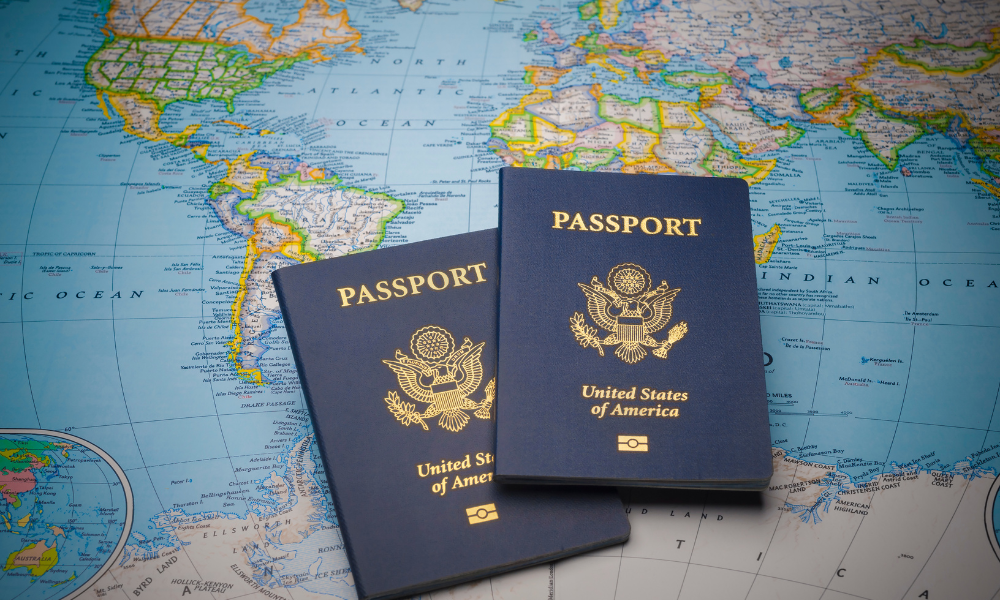
Americans, Britons and citizens of dozens of other countries must now obtain a visa before travelling to Namibia after the southern African nation ended long-standing visa-free access under a new reciprocity policy.
The rules, which came into effect on 1 April 2025, remain in force in 2026 and represent one of Namibia’s biggest changes to its immigration policy in recent years. While travellers from many Western countries now require a visa, Namibia has also expanded its electronic visa (e-Visa) and visa-on-arrival programmes to make the application process quicker and more accessible.
The government says the move is based on a simple principle: countries that require Namibians to obtain visas should expect their citizens to do the same when travelling to Namibia.
Why Namibia Changed Its Visa Policy
Namibia says the decision is rooted in reciprocity.
Government officials argued that many countries enjoyed visa-free access to Namibia while imposing strict visa requirements on Namibian passport holders.
For example, Namibians travelling to the United States or the United Kingdom must complete visa applications, pay processing fees, attend interviews and, in some cases, provide biometric information before being granted entry. Until April 2025, citizens from those countries could visit Namibia without a visa.
Officials said such arrangements no longer reflected Namibia’s foreign policy priorities and that visa agreements should benefit both countries equally.
The policy was approved by Cabinet in July 2024 and implemented several months later as part of broader immigration reforms.

Which Countries Are Affected?
The new rules apply to citizens of more than 30 countries, including major tourism markets such as:
- United States
- United Kingdom
- Canada
- Germany
- France
- Australia
- Japan
- India
- Italy
- Spain
- Portugal
- Netherlands
- Switzerland
- Sweden
- Belgium
The wider list also includes countries across Europe, Asia and Latin America that previously enjoyed visa-free entry to Namibia.
Travellers from these countries must now obtain either an e-Visa before departure or a visa upon arrival at designated entry points.
Countries That Still Enjoy Visa-Free Entry
Visa exemptions remain in place for countries that offer similar travel privileges to Namibian citizens.
These include many African neighbours and regional partners such as:
- South Africa
- Botswana
- Zambia
- Zimbabwe
- Angola
- Tanzania
- Kenya
- Malawi
- Mozambique
- Eswatini
- Lesotho
- Mauritius
- Seychelles
Several non-African countries with reciprocal agreements, including Brazil, Cuba and Malaysia, also continue to enjoy visa-free access.
Tourism Industry Raised Concerns
Tourism is one of Namibia’s most important economic sectors, contributing significantly to employment and national income.
Industry groups expressed concern that requiring visas could discourage visitors, particularly from Europe, where Germany has traditionally been Namibia’s largest international tourism market.
Some tourism operators urged the government to delay implementation or introduce exemptions for key visitor markets.
However, authorities proceeded with the policy, arguing that diplomatic reciprocity outweighed the potential short-term impact on tourism.
ALSO READ: Namibia’s New Satellite Station Becomes a Beacon of China-Africa Cooperation
How to Apply for a Namibian Visa
Visitors from affected countries have two main options.
Travellers can apply online through Namibia’s official e-Visa system before departure or obtain a visa upon arrival at approved airports and land border crossings.
Major entry points offering visas on arrival include:
- Hosea Kutako International Airport
- Walvis Bay International Airport
- Oshikango Border Post
- Ariamsvlei Border Post
- Noordoewer Border Post
- Katima Mulilo Border Post
Applicants must generally provide:
- A passport valid for at least six months
- Blank passport pages
- Proof of onward or return travel
- Evidence of sufficient funds for their stay
Visa fees vary depending on nationality and visa type, with online applications generally recommended to reduce processing time.
Namibia Expands e-Visa Access
Although Namibia has tightened visa-free entry rules, it has simultaneously broadened access through its digital visa system.
The government has expanded eligibility for e-Visas and visas on arrival to cover more than 120 countries and territories, allowing most visitors to complete the process online before travelling or receive a visa at the border.
Officials have also announced plans to include additional countries in the programme as part of ongoing efforts to modernise immigration services.
This means that while more travellers now require a visa, obtaining one has become considerably easier than under traditional embassy-based applications.
Part of a Wider Global Trend
Namibia’s decision reflects a broader shift in international travel policy.
Several countries have increasingly linked visa arrangements to diplomatic reciprocity, reviewing whether their citizens receive similar treatment abroad.
While countries such as Malawi and Nigeria have adjusted visa policies based on reciprocal access, others have chosen to simplify travel procedures to attract tourism.
South Africa, for example, expanded visa-free access for dozens of nationalities in 2026 as part of its tourism growth strategy.
The differing approaches illustrate how governments are balancing national interests, diplomacy and economic priorities when shaping immigration policy.
What Travellers Should Know
For most visitors, the changes add an extra administrative step rather than creating a major barrier to travel.
Tourist attractions such as Etosha National Park, Sossusvlei, Swakopmund and the Skeleton Coast remain fully accessible once travellers have secured the necessary visa.
Authorities continue to encourage visitors to apply online before departure to avoid delays at airports and border crossings.
ALSO READ: How Namibia’s $750 Million Repayment Rejects the Bailout Culture Plaguing the Continent
The Bottom Line
Namibia’s visa reforms mark a significant shift in the country’s approach to international travel.
Rather than removing access altogether, the government has replaced visa-free entry for many nationalities with a system based on reciprocity, while expanding e-Visas and visas on arrival to keep the country accessible to tourists.
For travellers from the United States, the United Kingdom and other affected countries, visiting Namibia remains straightforward—but it now requires one additional step before departure.