African Union, China train experts to use AI and GIS in Disaster Early Warning
By our staff reporter The African Union Commission and China have called for stronger scientific cooperation to help African countries build more effective multi-hazard early warning systems as climate-related risks intensify across the continent. The call was made during a five-day China-Africa training workshop in Addis Ababa, held from November 23 to 27 at the […]
 Black News
By our staff reporter
The African Union Commission and China have called for stronger scientific cooperation to help African countries build more effective multi-hazard early warning systems as climate-related risks intensify across the continent.
The call was made during a five-day China-Africa training workshop in Addis Ababa, held from November 23 to 27 at the African Union Headquarters. The workshop focused on the use of artificial intelligence, geographic information systems and related technologies to strengthen disaster preparedness, climate resilience and early action.
It brought together participants from African Union Member States, regional economic communities and continental institutions to build technical capacity in disaster risk management, climate information services and impact-based forecasting.
The training focused on how artificial intelligence, GIS, Earth observation, remote sensing and big-data analytics can improve hazard monitoring, vulnerability assessment, impact forecasting and evidence-based decision-making.
Participants were expected to strengthen their ability to operationalise integrated multi-hazard early warning systems and apply the products of the Africa Multi-Hazard Early Warning and Early Action System (AMHEWAS) Situation Room in national disaster risk management and decision-making processes.
The workshop was organised by the African Union Commission in collaboration with the Alliance of National and International Science Organisations for the Belt and Road Regions (ANSO), its Africa Hub for Science and Innovation, the Chinese Mission to the African Union and the World Federation of Engineering Organisations’ Capacity Building Committee.
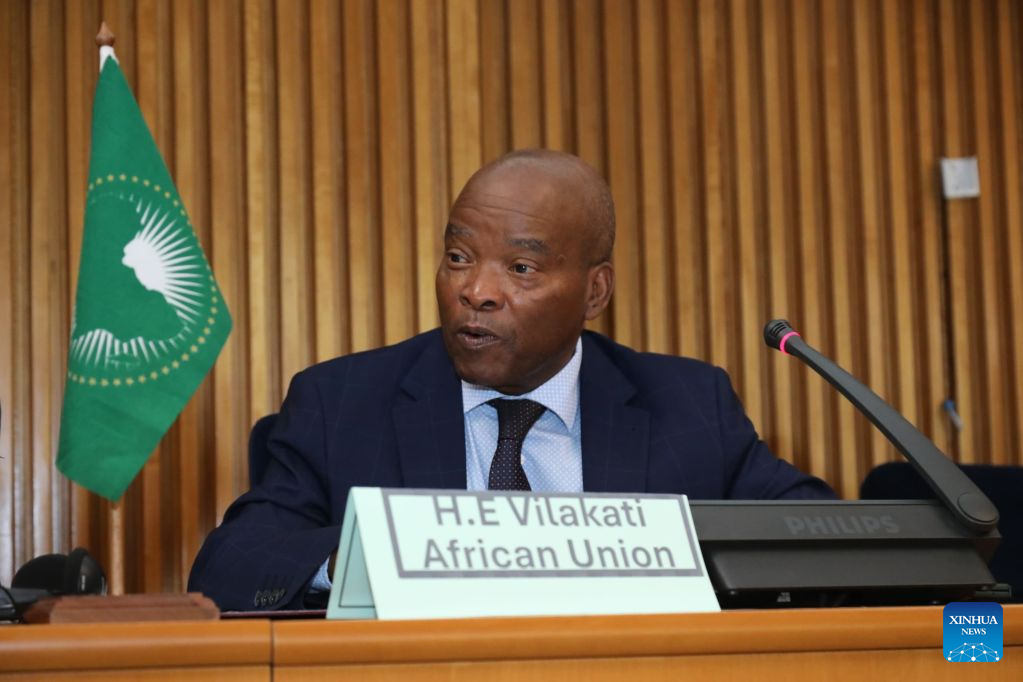
Moses Vilakati, African Union Commissioner for Agriculture, Rural Development, Blue Economy and Sustainable Environment, said the 2026/2027 El Nino is intensifying, threatening up to 50 million people with hunger and causing extreme weather globally.
“The El Nino experience reinforces the need to strengthen climate monitoring, seasonal forecasting and multi-hazard early warning systems for better preparedness,” he said.
Vilakati said improved scientific cooperation, combined with the application of artificial intelligence, machine learning, satellite data and GIS technologies, could help countries anticipate climate-related risks, identify vulnerable populations and support timely anticipatory action to protect lives and livelihoods.
The African Union said Africa remains highly vulnerable to climate-related hazards, including floods, droughts, tropical cyclones and heatwaves, which continue to cause significant human, environmental and economic losses.
Limited institutional capacity and inadequate early warning coverage continue to constrain effective disaster preparedness and anticipatory action, according to the Commission.
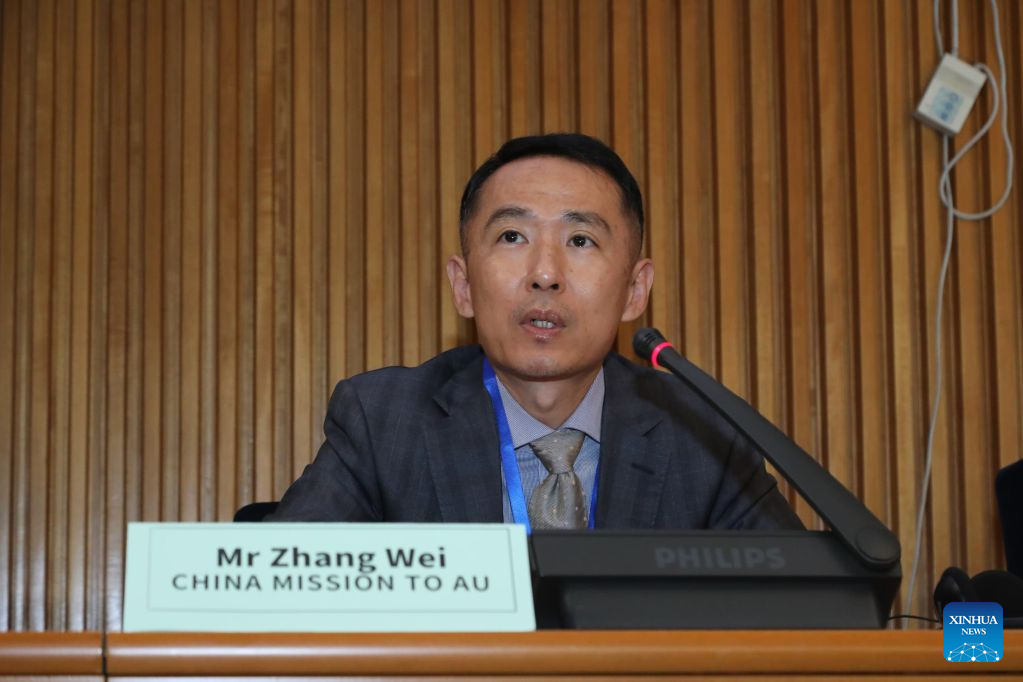
Zhang Wei, deputy head of the Chinese Mission to the African Union, said Africa needs to strengthen its early warning capabilities and overall capacity for disaster prevention, mitigation and relief.
He noted that only about 40 percent of African countries have established multi-hazard early warning systems.
“Through practical collaboration in meteorological monitoring and early warning, emergency response, scientific research and technological innovation, technology sharing, and talent development, China has supported African countries and other nations in strengthening their disaster prevention and mitigation capabilities,” Zhang said.
China will also work with African partners to establish 30 joint laboratories and an Africa-China satellite remote sensing application cooperation centre, providing further support for Africa’s pursuit of green and sustainable development.
The training forms part of the African Union’s component of the World Bank-financed Regional Climate Resilience Programme for Eastern and Southern Africa Phase II (RCRP-2).
The programme aims to improve resilience to water-related climate shocks through stronger regional collaboration, institutional capacity, climate information services and multi-hazard early warning systems.
The African Union said the initiative also contributes to the implementation of Agenda 2063, the Sendai Framework for Disaster Risk Reduction 2015-2030 and the AU Climate Change and Resilient Development Strategy and Action Plan 2022-2032.
The workshop was designed to promote regional knowledge exchange and technical training for disaster risk management and hydrometeorological services, while supporting the effective operationalisation of AMHEWAS.