African Union dteps up Diplomacy to ease Ethiopia-Eritrea tensions
The African Union (AU) has renewed its diplomatic efforts to ease tensions between Ethiopia and Eritrea, calling for the implementation of existing peace agreements and warning against an escalation into a full-blown crisis in the Horn of Africa. Ambassador Bankole Adeoye, the AU Commissioner for Political Affairs, Peace and Security, said the continental body was […]
 Black News
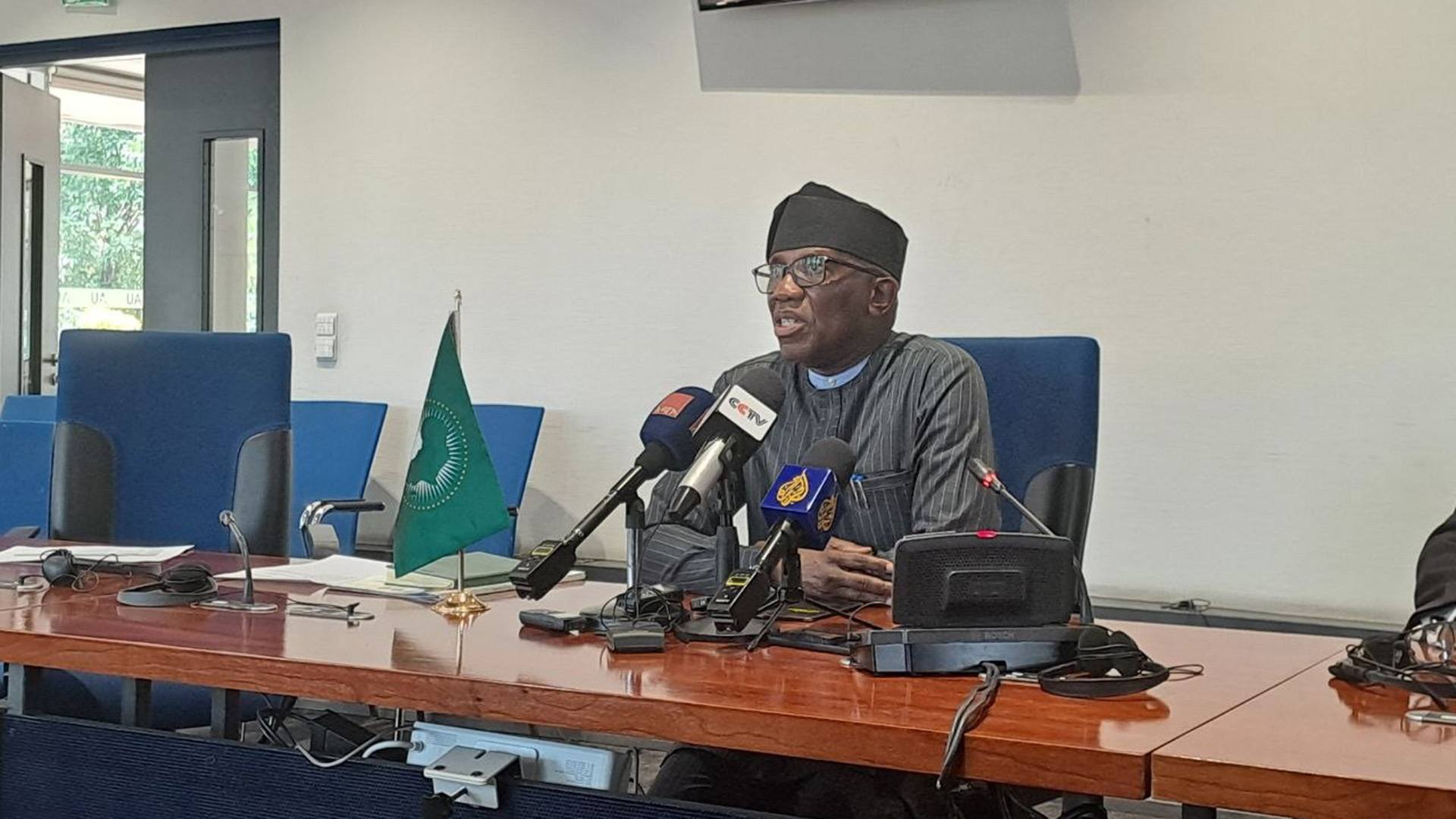
The African Union (AU) has renewed its diplomatic efforts to ease tensions between Ethiopia and Eritrea, calling for the implementation of existing peace agreements and warning against an escalation into a full-blown crisis in the Horn of Africa.
Ambassador Bankole Adeoye, the AU Commissioner for Political Affairs, Peace and Security, said the continental body was engaging leaders and other stakeholders in both countries to reduce tensions and prevent further deterioration of relations.
Speaking at a press conference, Adeoye said the AU was working to re-energize the implementation of the Algiers Agreement, signed between Ethiopia and Eritrea, as well as the Pretoria Agreement, which ended the fighting between the Ethiopian government and the Tigray People’s Liberation Front (TPLF).
He said the AU was committed to ensuring peace in the Horn of Africa and that the obligations contained in both agreements should continue to guide diplomatic efforts.
The commissioner disclosed that former Kenyan President Uhuru Kenyatta, who serves as the AU Chairperson’s High Representative for the Horn of Africa, was conducting consultations and shuttle diplomacy to help reduce tensions in the region.
He added that the AU Commission would continue engaging all parties at different levels to prevent the situation from developing into a full-scale crisis.
Adeoye also emphasized the importance of collective security and called for an end to external interference in African conflicts, arguing that foreign involvement often prolongs crises.
“We condemn any external interference in African conflicts because what we see is that the more you have external interference in the crisis, the more you have prolonged crisis,” he said.
Beyond the Horn of Africa, the commissioner said the African Union was strengthening its continent-wide approach to peacebuilding, with greater emphasis on preventing conflicts rather than managing them after they erupt.
He said African leaders who met in Luanda, Angola, in August 2026 adopted new mechanisms to improve the AU’s capacity to identify emerging threats, assess conflict situations and address their underlying causes.
Among the measures is a new trigger mechanism designed to help identify potential conflicts at an early stage, alongside an assessment tool intended to strengthen the work of AU conflict analysts both at headquarters and through liaison offices operating in more than 12 countries.
Adeoye said the mechanisms would help the organization better understand the structural drivers of conflicts, including climate shocks, technological developments, youth discontent and geopolitical rivalries.
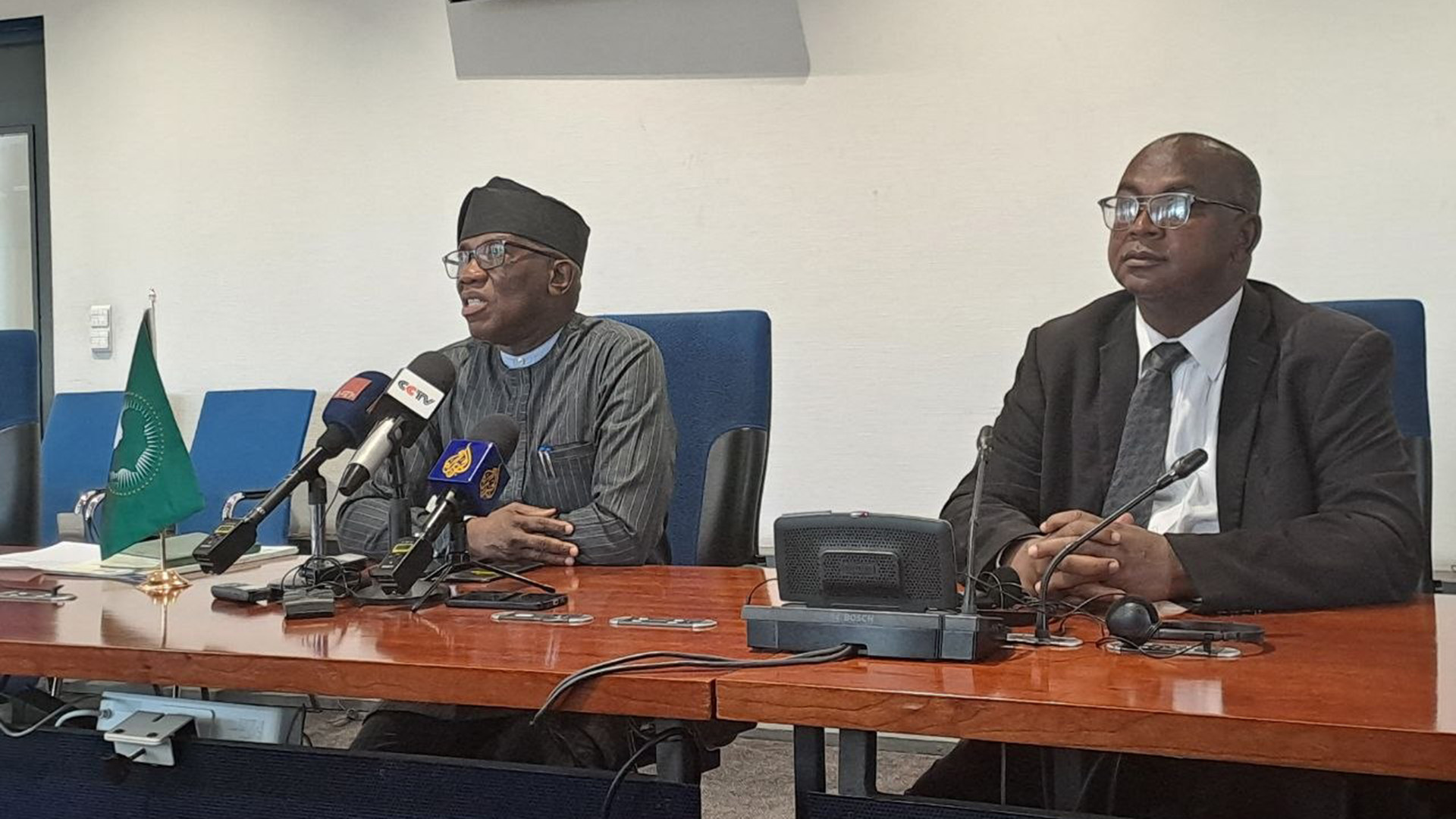
He stressed that the AU does not take sides in political disputes but supports peace and inclusive processes involving all relevant actors.
The commissioner also called for the participation of women, young people and children in peacebuilding efforts, emphasizing that no group should be excluded from conflict prevention and resolution.
He said the African Union’s ultimate objective was to advance the aspirations of Agenda 2063, which envisions a peaceful, secure and prosperous continent.
Adeoye said the AU was also strengthening its peace and security mechanisms across other conflict-affected parts of Africa, including Sudan, Somalia and the Sahel.
He highlighted the AU’s continued engagement in Somalia, where its mission has evolved from the African Union Mission in Somalia (AMISOM) to the African Union Transition Mission in Somalia (ATMIS) and the current African Union Support and Stabilization Mission in Somalia (AUSSOM).
He also pointed to the African Standby Force as an important instrument for both conflict prevention and crisis response.
African leaders adopted a memorandum of understanding between the AU and Regional Economic Communities in October 2026 to strengthen cooperation on the force.
In the Sahel, the AU is working to establish a special task force, following a decision by its Peace and Security Council, to strengthen regional cooperation against terrorism.
The initiative is expected to involve all member states, including countries currently suspended from the organization.
The commissioner further noted that the AU was supporting political transitions in South Sudan, Guinea-Bissau, Mali and Madagascar in cooperation with international partners, including the United Nations Development Programme.
He said the organization was also reviewing its Silencing the Guns agenda, with a new report expected to inform discussions at the next AU summit.
“Silencing the guns is not a slogan for us. It is a philosophical decision made by our leaders to follow the path of peace and resolve conflicts before they become violent,” Adeoye said.
He described the AU’s Peacebuilding Month as an opportunity for African countries to renew their commitment to preventing conflicts, strengthening inclusive political processes and investing in sustainable peace.
The commissioner said the AU would continue working with member states and international partners to make peacebuilding a sustained continental priority rather than an initiative limited to a commemorative month.