The Hangman’s Noose: “Uganda Is Africa’s Second-Highest In Abductions”
Jailed opposition leader Dr Kizza Besigye and his lead counsel, former Kampala Lord Mayor, Erias Lukwago, together with other political detainees will not leave prisons and other unknown detention facilities without the express permission of Gen Muhoozi Kainerugaba. Gen Muhoozi heads the military since March 2024, and also doubles as his father, Gen Yoweri Museveni’s…
 Black News
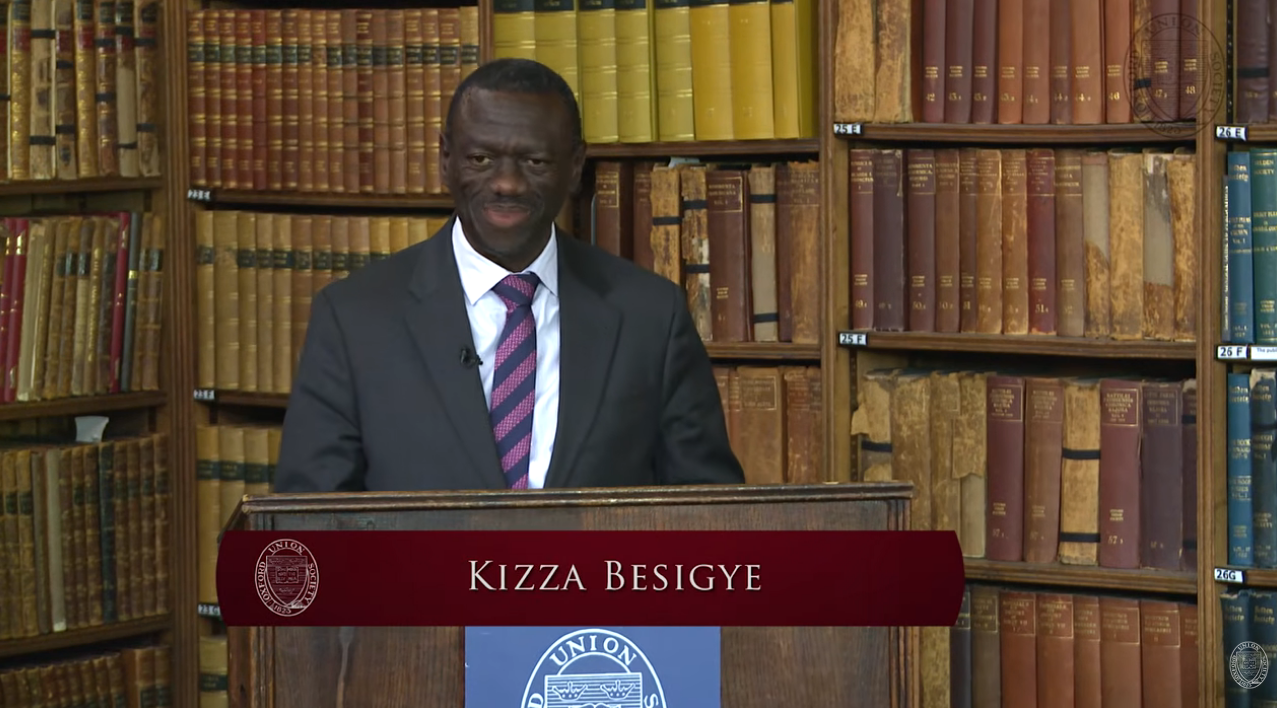
Jailed opposition leader Dr Kizza Besigye and his lead counsel, former Kampala Lord Mayor, Erias Lukwago, together with other political detainees will not leave prisons and other unknown detention facilities without the express permission of Gen Muhoozi Kainerugaba. Gen Muhoozi heads the military since March 2024, and also doubles as his father, Gen Yoweri Museveni’s Senior Presidential Advisor on Special Operations.
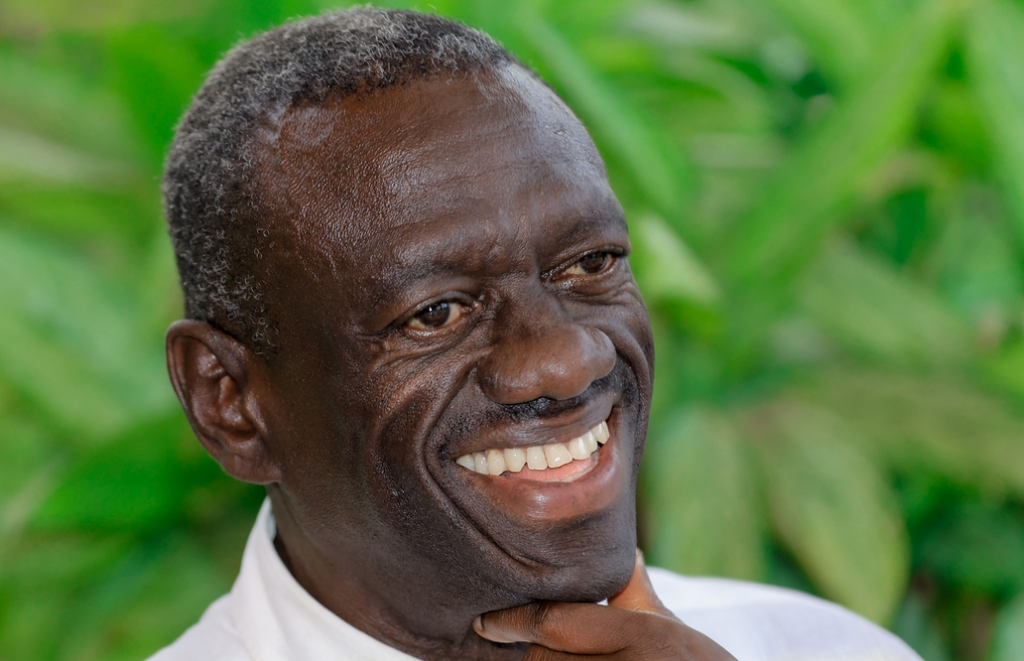
The serving military Gen Muhoozi, too, chairs his political outfit—the Patriotic League of Uganda. “No one will release Besigye, Lukwago or the other criminals without my permission,” Gen Muhoozi ordered on November 24.
“Besigye, Lukwago, Mugumya [;] all of them will only avoid the hangman’s noose if they sign the surrender document we have prepared. Otherwise, they can die in jail! I do not play at war. With iron will I crush our enemies,” Muhoozi thundered on.
Besigye was abducted from neighboring Kenyan capital, Nairobi, on November 16, 2024. He had travelled to the East African largest city to preside over the book launch of Kenya’s former Justice minister-now-turned-opposition leader, Martha Karua. The abducted and jailed Besigye was then slapped with treason charges and despite reports of his deteriorating health, he has remained in prison since then.
Lukwago, Besigye’s lead counsel in the treason case, was abducted from his suburban Kampala home in the wee morning of June 15, and he, too, despite of being sickly like his client Besigye, has since been denied bail to seek treatment. Lukwago is charged with misprision of treason in which the State alleges that he knew his client Besigye’s plans to overthrow the government and did not report to the authorities. Both client and counsel deny the charges.
Sam Mugumya in question was Besigye’s long-time personal aide who was allegedly abducted in August 2025. After 449 days in incommunicado detention, an emaciated and allegedly torture-crippled Mugumya was produced in an army court martial recently and remanded to the gazetted civilian prison in Kampala until December 21.
But the alleged perpetrators of torture allegations in the country still prowl the countryside unabated, however. “Egesa is talking well now. He is healed. After 1,000 kibokos [Swahili language for canes],” Gen Muhoozi rejoiced on November 24, and added three minutes later: “Egesa is speaking perfect Kiswahili now.”
Cybersecurity expert, Business and Political Strategist, Leonard Egesa, was abducted from the capital city, Kampala, on November 13 and his whereabouts remain unknown to his family, lawyers, friends and relatives until now.
“Uganda’s reported abductions are 10 times higher than Kenya, Tanzania’s combined and Africa’s second-highest. Ugandan security forces are reported to abduct 10 times more civilians than Kenya and Tanzania combined, one of the highest totals in Africa for a country not at war.
“No one keeps an official running count. But adding up the higher-end figures from the opposition, the UN and rights groups gives roughly 4,500-5,000 people reported abducted or held in unacknowledged detention by Ugandan security forces since late 2016,” Ugandan veteran journalist and editor, Charles Onyango-Obbo, writes on X (previously twitter), November 23.
The period from late 2021 to late 2026 has been the most intense, Onyango-Obbo recalls, with roughly 3,300 reported cases against about 1,500 in the previous five years; adding that most of these came during the 2026 election period. “Uganda has the highest rate of reported abductions in East Africa and is probably second in Africa for a country not at war, behind Egypt, which has an insurgency in Sinai. ‘Stop Enforced Disappearance’ campaign has documented 4,677 cases.”
In East Africa, UN experts said more than 200 cases of enforced disappearance of opposition leaders, according to Onyango-Obbo who is the Curator at the Wall of Great Africans, their supporters and human rights defenders have been recorded in Tanzania since 2019. In Kenya, the Missing Voices coalition recorded 167 enforced disappearances between 2019 and 2024 and six more in 2025, and a broader count put 2024-25 alone at more than 100.
“Counted generously,” he reveals, “Uganda’s reported total is nearly 10 times the combined total for Kenya and Tanzania. The only thing that can be said for Uganda is [that] the State is an equal opportunity abductor—anyone is game.”
But kidnap is not arrest and abuse of authority is not law enforcement, argues former secretary of the Uganda Law Society, Advocate Isaac Atukunda.
“Why should security agencies resort to abducting suspects instead of arresting them in accordance with the laws of Uganda?” Atukunda asks on the micro-blogging platform X, and offers counsel: “The abuse of authority by security personnel must never be normalized or excused in the name of national security.”
He invokes Articles 23, 24 and 44(a) of the 1995 Constitution of the Republic of Uganda which protects personal liberty and prohibits torture. Article 9 of the International Convention on Civil and People’s Rights and Articles 5 and 6 of the African Charter on People’s Rights equally prohibit arbitrary detention and protect human dignity.
“The Prevention and Prohibition of Torture Act, 2012 criminalizes torture. Abuse of authority through unlawful arrests, abductions and secret detention creates an environment in which torture and other human rights violations thrive.
“Security agencies are established to enforce law, not to operate above it. Every Ugandan must speak out against these violations, irrespective of the political affiliation of the victims. The fight against crime must never become a licence for State-sponsored lawlessness,” Atukunda pleaded on November 22.
Yet, “I’m sick and tired of Besigye and ALL the old so called ‘Historicals’. They are forbidden from making any public statements from now on! Those who do will be punished. They must address all their issues to my uncle Afande Salim Saleh. He will brief me on their issues,” Gen Muhoozi directed on November 24. Salim Saleh is Museveni’s brother. Afande is Swahili for ‘Senior-ranking officer’ in the disciplined forces.
The ‘Historicals’ are Gen Museveni’s bush war comrades like Besigye with whom he fought a five-year protracted guerrilla war that ushered him into power in January 1986.
However, since the sickly Besigye is behind bars and therefore cut off from public circulation, the historical so far vocal and very much against human rights violations like torture, sliding rule of law and other alleged unconstitutional and unlawful conduct of Uganda’s security forces, is Maj-Gen (Retired) Kahinda Otafiire. A few days ago, he was quoted as saying that they [Museveni and his bush war comrades] did not go to the bush to “create basements”. Basements are the ‘normalized’ alleged torture dungeons in Uganda these days.