Africa’s largest refinery will consume 2.5% of the world’s traded crude oil, Dangote says
Africa’s largest refinery is expected to consume about 2.5% of all crude oil traded globally once it reaches full capacity, a milestone that underscores the growing influence of Nigeria’s Dangote Petroleum Refinery on international energy markets.
 Black News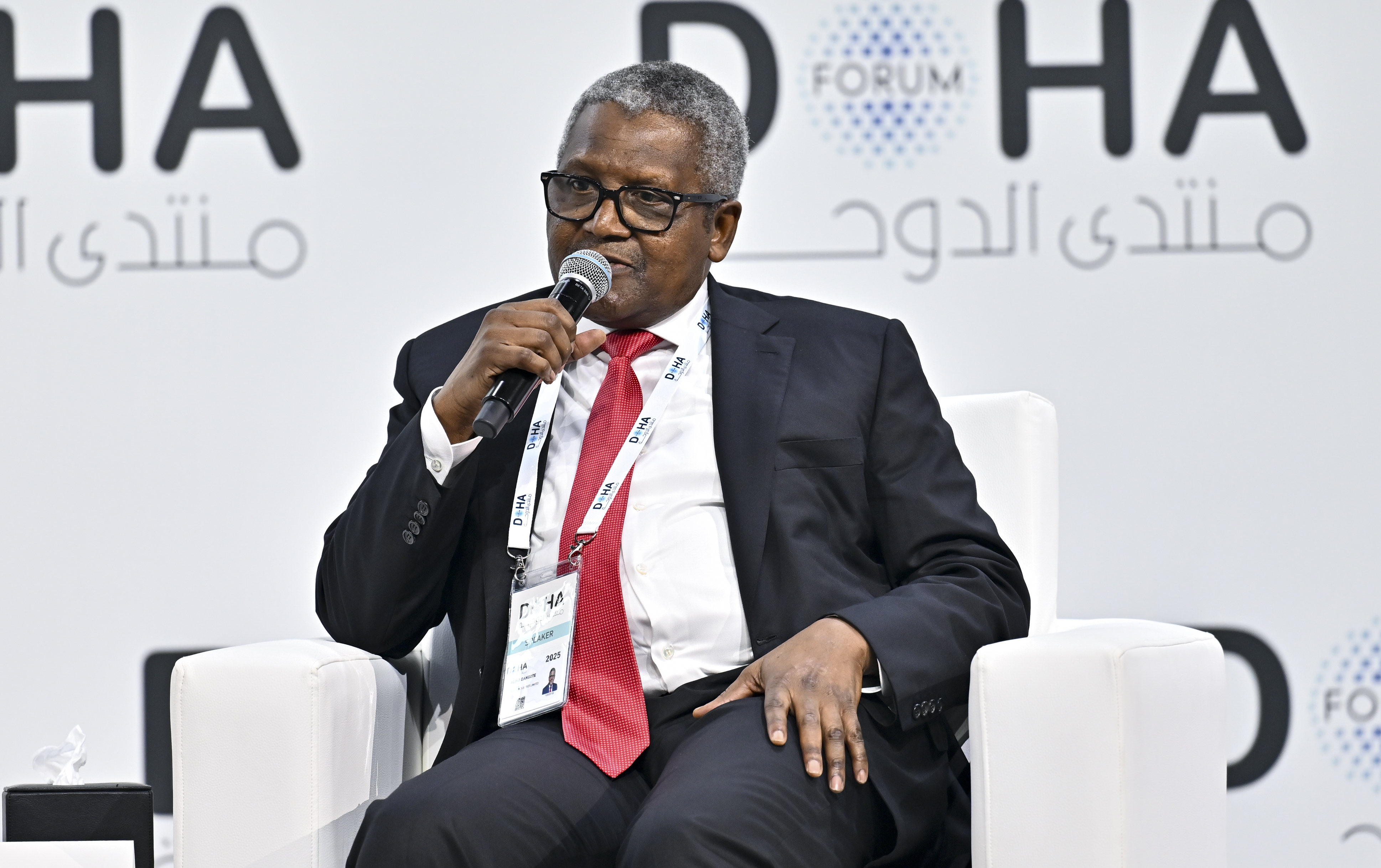
![Aliko Dangote says his 700,000-barrel-per-day refinery will consume about 2.5% of globally traded crude oil at full capacity.[Photo by Noushad Thekkayil/NurPhoto via Getty Images]](https://ocdn.eu/pulscms/MDA_/e7706ee37d6d7c1ad96fc7c6a395b145.jpg)
Africa’s largest refinery is expected to consume about 2.5% of all crude oil traded globally once it reaches full capacity, a milestone that underscores the growing influence of Nigeria’s Dangote Petroleum Refinery on international energy markets.
- Aliko Dangote says his refinery will consume about 2.5% of globally traded crude oil once it reaches full capacity.
- The 700,000-barrel-per-day refinery would also equal roughly 10% of total U.S. refining capacity.
- The milestone highlights the refinery’s growing influence on global crude markets and fuel supply chains.
- Dangote urged Nigeria to prioritise industrialisation, arguing that manufacturing remains the fastest route to economic growth.
Speaking during a visit by Nigeria’s Minister of State for Industry, John Owan Enoh, to the refinery complex in Lagos, Aliko Dangote said the 700,000-barrel-per-day facility would also represent the equivalent of about 10% of the United States’ refining capacity when operating at full capacity.
The comments come as the refinery continues to establish itself as a major new buyer of crude oil and an increasingly important supplier of refined petroleum products to markets across Africa and Europe.
DON'T MISS THIS:Africa’s biggest refinery hits slowdown, tightening fuel supplies from Nigeria to Europe
Only last week, maintenance at the refinery reduced output, tightening supplies of petrol, diesel and jet fuel and demonstrating how quickly the facility has become a significant player in regional fuel markets.
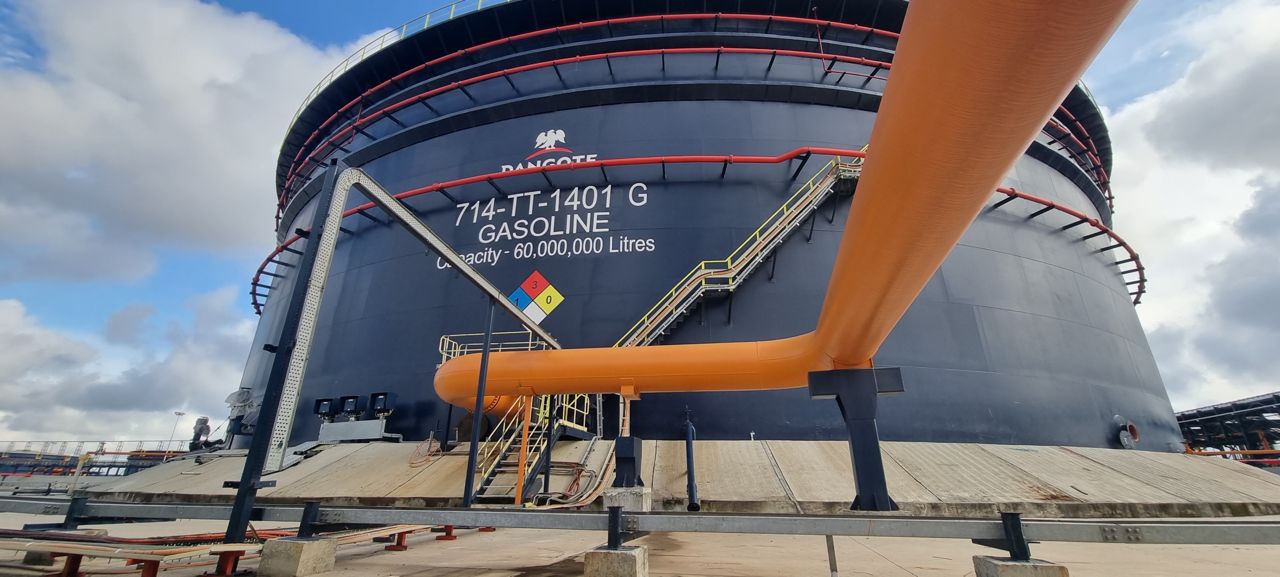
Reflecting on the project, Dangote described the refinery as the biggest business risk of his career, recalling how many financiers doubted it could be completed amid disruptions caused by the COVID-19 pandemic, foreign exchange volatility and rising construction costs.
DON'T MISS THIS:Dangote refinery eyes global dominance as it expands crude flexibility to 130 grades
“What we have achieved here has never been done before on this scale,” he said, adding that the refinery’s success should encourage more African entrepreneurs to pursue large-scale industrial projects.
Dangote argued that industrialisation should remain at the centre of Nigeria’s economic strategy, saying countries cannot create lasting jobs and prosperity without building strong manufacturing sectors.
He also said the recent successful issuance of an unsecured and unrated bond by Dangote Industries at yields below Nigeria’s sovereign benchmark demonstrated growing investor confidence in credible private-sector companies, while stressing that policy consistency remains more important than incentives in attracting long-term investment.
Industry Minister John Owan Enoh described the integrated refinery, petrochemicals and fertiliser complex as one of Africa’s most significant industrial investments, saying it would play a key role in Nigeria’s ambition to build a $1 trillion economy through increased local value addition and manufacturing.
DON'T MISS THIS: Aliko Dangote’s $20 billion refinery helps power Nigeria to first credit rating upgrade in 14 years
The refinery, which reached full operating capacity earlier this year, has rapidly altered trade flows in the Atlantic Basin.
It has eliminated Nigeria’s dependence on imported petrol, emerged as a major exporter of aviation fuel, and helped diversify refined fuel supplies to Europe at a time of shifting global energy trade patterns.
Dangote recently secured $2.5 billion in fresh investment to expand the refinery’s capacity to 1.4 million barrels per day by 2028, a move that would make it one of the world’s largest refining complexes.