Africa’s only globally accredited gold refinery looks to Ghana after South African output leaves it half empty
A South African refinery that has processed almost one-third of all gold produced in recorded history is looking to Ghana’s small-scale miners for new supplies as the decline of South Africa’s mining industry leaves it operating at roughly half capacity.
 Black News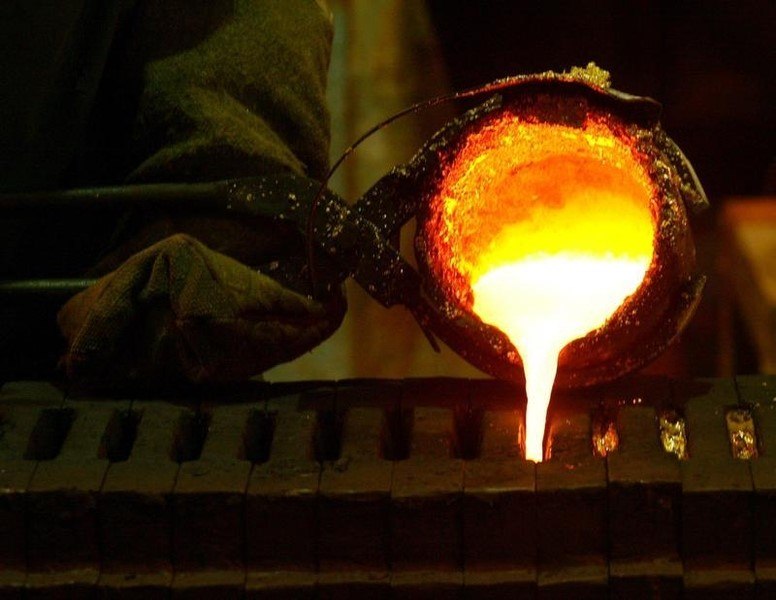
A South African refinery that has processed almost one-third of all gold produced in recorded history is looking to Ghana’s small-scale miners for new supplies as the decline of South Africa’s mining industry leaves it operating at roughly half capacity.
- Rand Refinery is turning to Ghana’s small-scale miners as South African gold production declines.
- Ghana’s artisanal miners produced a record 104 tonnes of gold in 2025.
- The partnership aims to bring responsibly sourced Ghanaian gold into global markets.
- Rand Refinery hopes the deal will help fill its capacity as South African mine supplies fall.
Rand Refinery, once supplied primarily by South Africa’s giant commercial mines, is working with Ghana’s Gold Coast Refinery to bring responsibly produced artisanal and small-scale gold into formal international markets.
The Wall Street Journal reported that the century-old refinery ultimately intends to handle some of the Ghanaian metal itself, subject to satisfying the standards required by the London Bullion Market Association.
“At this price, every milligram counts,” Rand Refinery Chief Executive Officer Dean Subramanian said, describing artisanal gold as “a serious player.”
DON'T MISS THIS: Ghana takes control of its gold as local refining operation begins [PHOTOS]
Ghana rises as South African gold declines
Rand Refinery was established in 1920 to refine gold from South Africa’s mines. Its international accreditation allows bars produced at the facility to trade in major bullion markets without undergoing additional purity tests.
But South Africa’s gold production has declined substantially as its mines have become older, deeper and more expensive to operate. Although Rand Refinery now obtains metal from large mines elsewhere in Africa, the facility is still operating at approximately half its capacity.
Ghana offers a markedly different picture. The country has become Africa’s leading gold producer, while its artisanal and small-scale sector produced a record 104 tonnes in 2025.
That output exceeded production from Ghana’s large mines for the first time and generated almost $11 billion in foreign exchange.
DON'T MISS THIS:Africa's top gold producer's output hits historic 6 million ounces
Rand Refinery’s move therefore reflects a broader shift in the geography of African gold, away from the large South African mines that dominated the industry for decades and towards West Africa’s increasingly important producers.
One tonne of gold every week
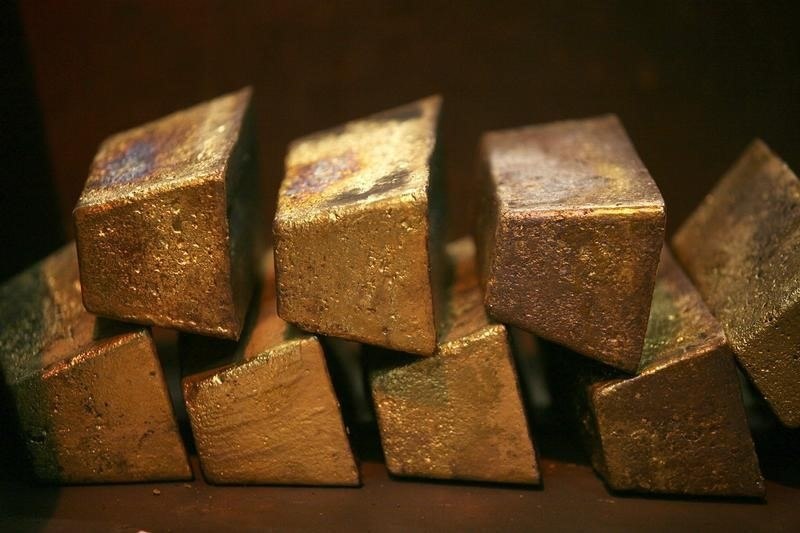
Under an agreement signed in January, the Ghana Gold Board supplies Gold Coast Refinery with one metric tonne of gold every week for local processing.
Ghana also secured a 15% free carried interest in Gold Coast Refinery. The structure gives the state shareholder rights and access to dividends without requiring it to contribute money for the stake.
Gold Coast Refinery says it can process as much as 100 tonnes annually and produce gold with purity of up to 99.999%.
“Our refinery has the capacity to produce gold with a purity level of up to 99.999 per cent,” Chairman Said Deraz said.
DON'T MISS THIS:Africa’s biggest gold producer tightens grip on bullion with new 30% state buying rule
Rand Refinery is providing technical, operational and commercial expertise to improve sourcing controls and help Gold Coast Refinery work towards accreditation by the London Bullion Market Association.
Mr Subramanian said the partners must follow LBMA and Organisation for Economic Co-operation and Development guidelines so that Ghanaian gold can gain wider acceptance in international markets.
Bringing informal gold into the global market
Artisanal mining supports millions of people across Africa but presents difficult traceability and regulatory challenges.
Some production comes from properly licensed miners. Other gold is associated with smuggling, mercury pollution, poor working conditions, corruption or operations outside government control. The presence of those risks does not mean all small-scale gold is illicit.
Rand Refinery must therefore demonstrate that any metal entering its system was responsibly sourced if it is to protect its international accreditation.
London Bullion Market Association Chief Executive Officer Ruth Crowell called the Ghana arrangement “an excellent case study” for sourcing responsibly from one of the gold market’s most difficult sectors.
The project could help Ghana retain refining fees presently paid to facilities in countries including Switzerland, India and the United Arab Emirates. It also supports the government’s attempt to track gold exports more effectively and retain a greater share of the value generated by its natural resources.
For Rand Refinery, however, it also provides something more basic: a potential new stream of gold for an historic facility with substantially more capacity than South Africa’s declining mines can now fill.