Africa’s richest island nation gives president greater control over public broadcaster as critics warn of political interference
Seychelles, Africa's richest island nation, recently passed legislation granting its president expanded authority over the national public broadcaster.
 Black News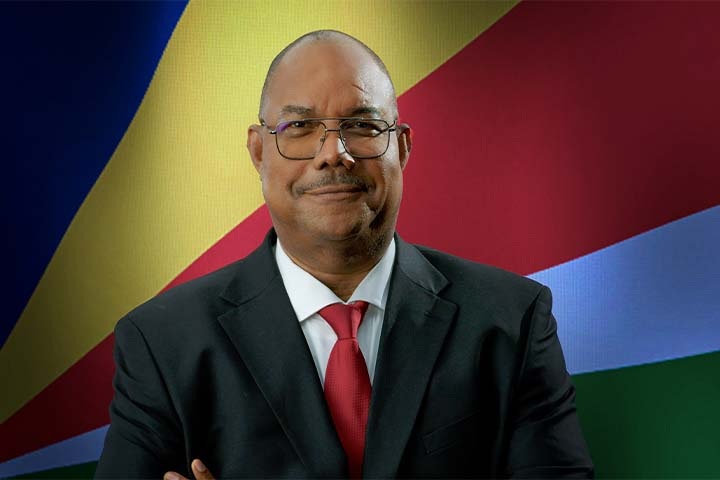

Seychelles, Africa's richest island nation, recently passed legislation granting its president expanded authority over the national public broadcaster.
- Seychelles passed new legislation giving its president greater control over the national public broadcaster.
- The Seychelles Broadcasting Corporation Bill 2026 claims to establish an independent and sustainable public media system.
- Media rights groups argue the changes undermine the broadcaster's managerial and editorial independence by shifting key appointments to presidential control.
- Critics say the system increases risks of political interference and limits financial independence by tying funding to National Assembly approval.
Few weeks ago, the country's National Assembly passed the Seychelles Broadcasting Corporation Bill 2026.
According to the bill's explanatory statement, the legislation "seeks to establish a modern, independent, editorially autonomous, and financially sustainable public broadcasting institution" designed to serve the democratic, cultural, social, and educational needs of the Seychellois public.
Media freedom groups raise concerns over government control of public broadcasting in Seychelles
Despite the aforementioned objectives of the law, international media rights organizations have raised strong concerns over the weakening of managerial and editorial independence at the Seychelles Broadcasting Corporation.
Critics pointed out that the act replaces the independent Constitutional Appointments Authority with a select committee appointed directly by the president.
Under the new system, the president appoints the chief executive officer, the deputy chief executive officer, and four of the eleven board members selected from nominees proposed by the presidential committee.
Media advocates warn that stripping these structural protections leaves the public broadcasting corporation open to political interference.
Financial independence remains another key concern, as the public broadcaster will depend on funding voted on periodically by the National Assembly rather than a protected funding arrangement.
The Public Media Alliance stated, "For audiences to maintain trust and confidence in public service media as editorially independent organisations that hold power to account on their behalf, protecting their institutional independence across governance and funding mechanisms is essential".
Public opinion in the nation echoes these concerns; an Afrobarometer survey published in August 2026 revealed that while 78% of citizens believe the media should report on government mistakes and corruption, 52% feel the country's media is "not very free" or "not at all free" in practice.