ALBUM REVIEW: Lone Piñon Uncovers a Lost World of New Mexican Folk Music on 'Hot Carne Seca'
Filled with twisty fiddles, crying vocals, heavy strummed guitars, and rich, rich harmonies, the nearly lost traditional music of New Mexico comes back to vibrant life in the hands of young ensemble Lone Piñon on their new album, Hot Carne Seca. One of the least known American
 Black News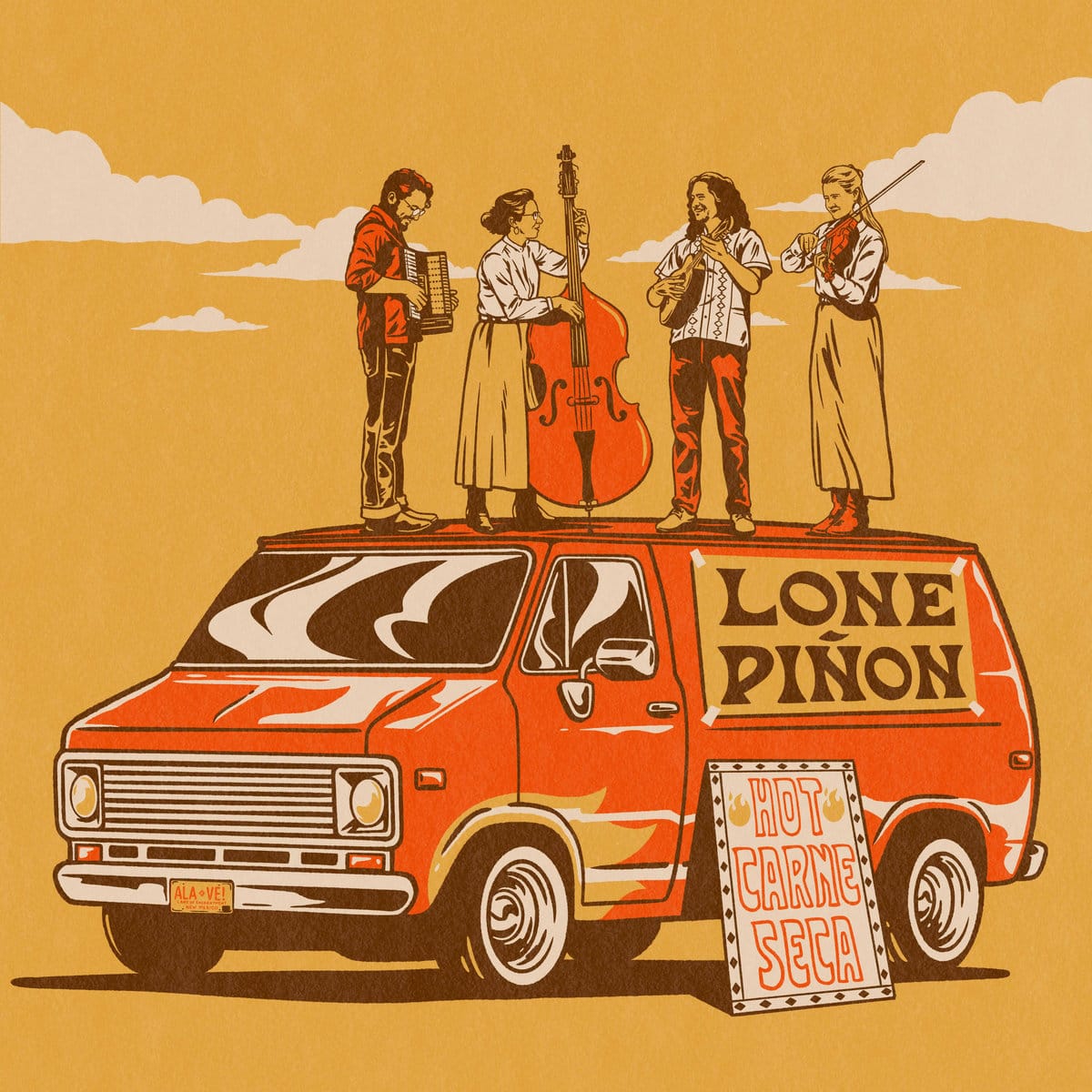


Filled with twisty fiddles, crying vocals, heavy strummed guitars, and rich, rich harmonies, the nearly lost traditional music of New Mexico comes back to vibrant life in the hands of young ensemble Lone Piñon on their new album, Hot Carne Seca.
One of the least known American traditions, the Hispanic music of New Mexico draws influences from neighboring cultures, like Tex-Mex or Tejano conjunto, Mexican rancheras, old world dances even the remarkable accordion and saxophone waila music of the Tohono O’odham Native Americans in Arizona. New Mexican musical roots are behind some key artists today, like Max Baca of Los Texmaniacs, whose father Max Baca, St. hailed from Albuquerque and played this music. But what exactly New Mexican folk music is can be difficult to pin down. It’s taken years of work from Lone Piñon’s bandleader Jordan Wax, himself an interesting polyglot and musical adventurer.