Are Black digital media archives in trouble?
Black-owned newspapers work to preserve archives after BET erasure draws concern.
 Black News

When BET quietly wiped every written article from its website in late August, erasing years of Black cultural journalism overnight, journalists from the Black press shared the moment that confirmed a concern many have carried for decades. Their history is only one corporate decision away from disappearing.
BET Digital removed its written news archive from BET.com as part of a shift toward video-first content, according to several news reports. The change came without warning to the journalists who produced the work, and some were unable to save copies before it vanished. The Internet Archive later released a pilot project preserving roughly 199,000 of the removed articles through its Wayback Machine, offering partial relief but underscoring how easily decades of reporting can vanish when a platform’s business model shifts.
For historic Black newspapers that have spent generations building their own archives with far fewer resources than a media conglomerate like Paramount, BET’s parent company, the incident renewed urgent questions about what protections, if any, exist for their own record.
What is at risk?
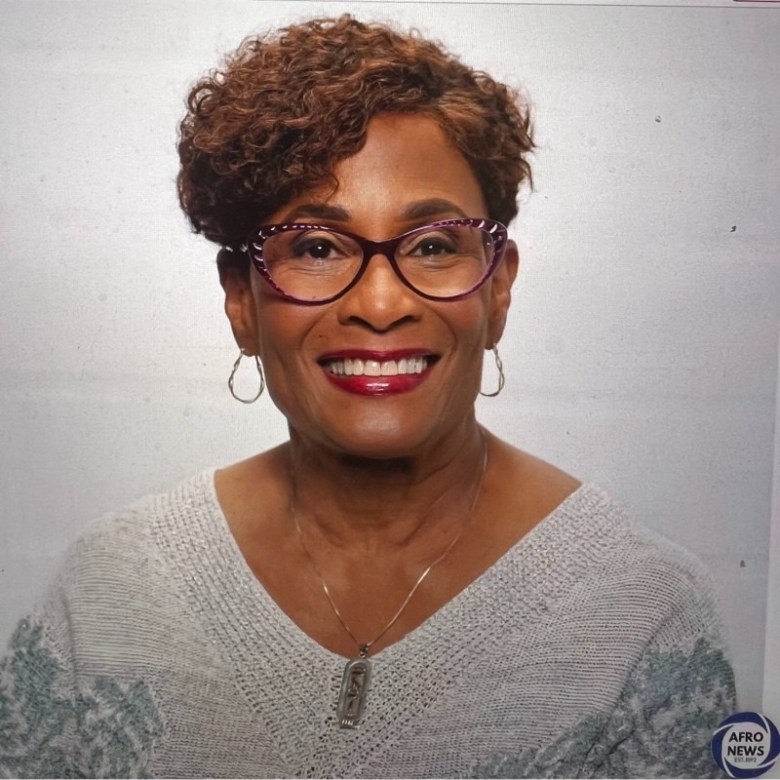
Dr. Frances Toni Draper, publisher of the AFRO-American Newspapers, said her family-owned outlet, founded in 1892, has spent nearly a decade building infrastructure most Black media companies lack.
The AFRO’s nonprofit sister organization, AFRO Charities, employs a team of 10 to 12 people whose full-time job is processing the paper’s archive. Roughly 3 million photographs, bound volumes dating to 1890, letters from Booker T. Washington and historian Carter G. Woodson, and audio recordings that include a conversation between civil rights icon Thurgood Marshall and Draper’s grandfather, longtime AFRO editor Carl Murphy.
The organization has raised $17 million to renovate a historic Baltimore building that will house the collection and open to the public in March 2027, an effort Draper described as an eight-year journey that began with boxes of uncataloged material sitting on shelves and floors.
“If all funding dries up, what’s at risk is our collective memory,” Draper said. “You can’t figure out where you’re going without knowing where you’ve been.”
Draper said she felt some relief learning the Internet Archive had preserved part of BET’s removed content, but called the initial removal jolting, especially given that BET had published interviews and reporting not easily found elsewhere in mainstream media.
She cautioned that family ownership, often seen as a safeguard against corporate erasure, is no guarantee.
“Different ownership could come in and not have the same regard for the value of an archive,: Draper said. “The deeper responsibility to preserve Black history belongs to the community, not any single ownership structure.”
A thinning safety net

Denise Rolark Barnes, publisher of the Washington Informer since 1994 and a past chair of the National Newspaper Publishers Association, described a thinner safety net for outlets without dedicated archival staff.
Founded in 1964 by her father, Dr. Calvin W. Rolark, the Informer has relied largely on outside institutions to preserve its history. Print editions are sent to Howard University’s Moorland-Spingarn Research Center and the DC Public Library’s Martin Luther King Jr. Memorial Library for digitization. A grant from the DC Office on Humanities helped digitize part of the paper’s own archive several years ago.
“To be honest, that’s the limit,” Rolark Barnes said. “Everything primarily is in storage. We need resources, financial as well as professional, to get the newspapers, the photographs, and now video, into an archival state where it can be useful to the public.”
She said BET’s case differs somewhat from the print-to-digital shift most Black newspapers face, since BET began as a broadcast operation, making its own calculated choice about what to keep. But she pointed to local television stations that have discarded undigitized archival tape as evidence that the vulnerability runs across the media industry, not just one company.
Solutions on the table
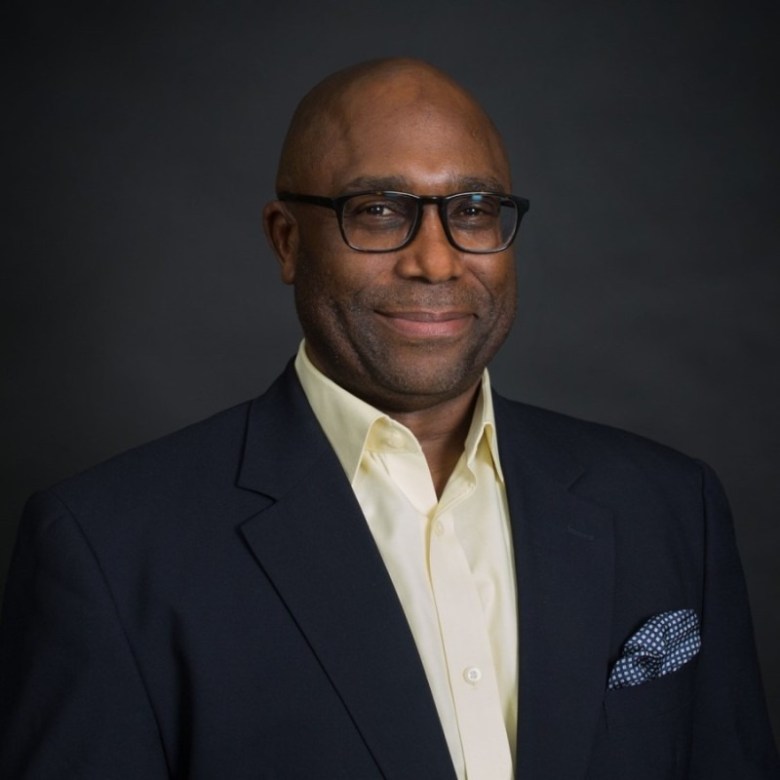
Joseph Williams, head of content for Word In Black, a consortium of 10 legacy Black newspapers that includes the AFRO, the Informer, and the Houston Defender Network, said he was stunned to learn that BET had erased its archive.
“To get rid of that archive and to wipe it away completely is to deny access to historical articles … to untold numbers of people,” Williams said. “History is lost.”
Williams said full-scale archiving is costly, since cloud storage requires ongoing subscriptions, and he cautioned that the Wayback Machine is an unreliable backstop because it does not capture everything or fully reflect a story as it originally ran. He pointed instead to the nonprofit newsroom model, used by Word In Black, the AFRO, and the Informer, as well as outlets like Vox, Vulture, and public radio, as one of the clearer long-term paths for Black media.
Word In Black operates as a public benefit corporation rather than a for-profit company, a structure that gives it more room to prioritize preservation over the kind of financial and legal exposure it believes factored into BET’s decision to remove archived stories.
“If all funding dries up, what’s at risk is our collective memory. You can’t figure out where you’re going without knowing where you’ve been.”
Dr. Frances “Toni” Draper, Publisher/CEO AFRO-American Newspapers
For journalists worried about losing their own bylines, not just their employer’s website, Williams said individual ownership matters just as much as institutional policy. He encouraged reporters to negotiate for rights to their own work, build personal platforms such as newsletters, and, at a minimum, keep their own copy of everything they publish.
Partnerships with universities, municipal archives, and preservation professionals are essential for outlets without extensive fundraising and staffing. It is recommended that newspapers collaborate with city archivists and university special collections rather than attempt to establish preservation systems independently.
“You’d better start something,” Draper said. “I encouraged smaller and younger outlets to begin labeling and cataloging their digital files now, rather than waiting for a crisis.”