Beyond the Coastline: Richard Duval’s Vision for the Future of Mauritius Tourism
How Mauritius is evolving into a 365-day destination through sustainability, authentic culture, and eco-tourism. As Mauritius looks beyond its world-famous beaches, Minister of Tourism Richard Duval outlines a vision for a more sustainable, experience-driven, and globally competitive tourism industry built on culture, authenticity, connectivity, and balanced economic growth. Question: Honourable Minister, your professional journey has […] The post Beyond the Coastline: Richard Duval’s Vision for the Future of Mauritius Tourism appeared first on Time Africa.
 Black News
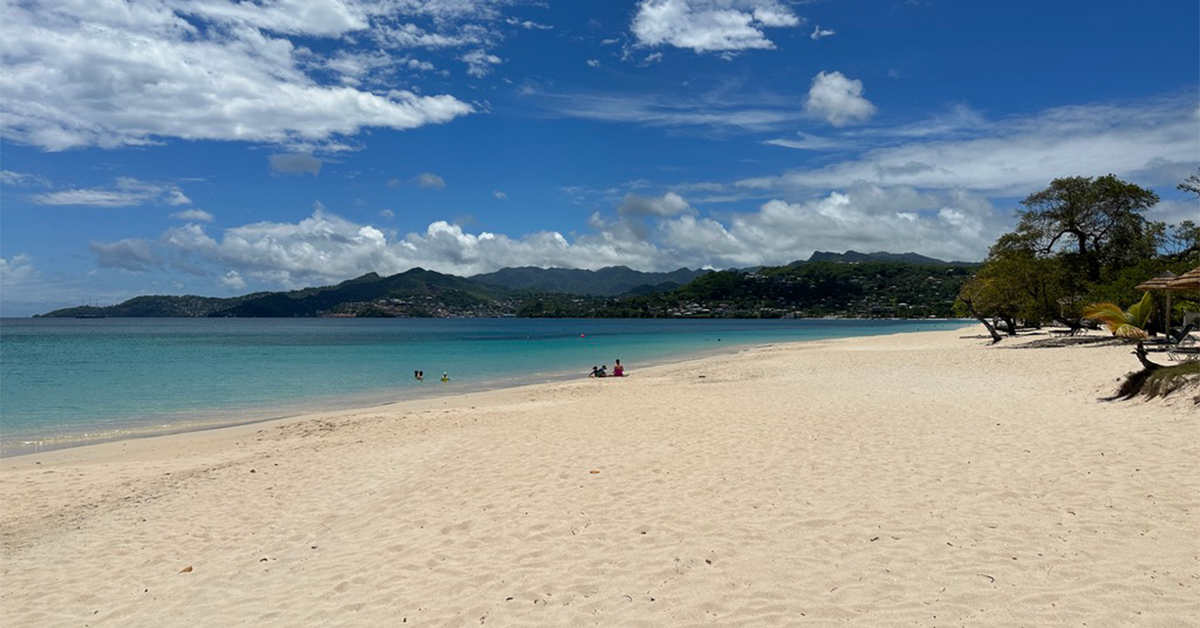
How Mauritius is evolving into a 365-day destination through sustainability, authentic culture, and eco-tourism.
As Mauritius looks beyond its world-famous beaches, Minister of Tourism Richard Duval outlines a vision for a more sustainable, experience-driven, and globally competitive tourism industry built on culture, authenticity, connectivity, and balanced economic growth.
Question: Honourable Minister, your professional journey has been quite unique. How have your experiences shaped your approach to leading Mauritius’ tourism sector today?
Answer: I did not initially plan to enter politics. I actually tried to stay away from it when I was younger, although growing up as the son of Sir Gaëtan Duval, who played such a major role in developing tourism in Mauritius, it was always part of my environment. My first career was in horse training, which taught me discipline, patience, and the importance of adapting quickly to changing situations. Later, when I entered politics and was elected in 2005, I gained valuable experience understanding how government works and how policies affect people directly. Spending five years in opposition after 2019 was also an important period for me. It gave me time to reflect and better understand the country’s challenges. Those experiences shaped the way I work today: staying practical, grounded, and focused on long-term progress. Tourism itself requires that mindset. Visitor expectations evolve constantly, and destinations must continuously adapt. For Mauritius to remain competitive, we must evolve while preserving what makes the island unique.
Question: Tourism plays a major role in Mauritius. How do you define its strategic importance for the country’s long-term development?
Answer: Tourism is far more than an economic activity for Mauritius. It is one of the pillars of the national economy and supports many sectors simultaneously. Of course, tourism generates foreign exchange and contributes significantly to national revenue, but its wider impact is equally important. It supports employment not only in hotels and resorts, but also across transport, agriculture, fisheries, creative industries, and SMEs. When tourism performs well, the benefits spread throughout the economy. The sector has also helped shape national infrastructure over the years. Airports, roads, and public facilities developed partly through tourism growth are assets that benefit Mauritians every day.
Beyond economics, tourism strengthens Mauritius’ international visibility and reinforces the country’s reputation as a stable, safe, and attractive destination for investment and business. In the long term, tourism can continue driving growth while promoting culture, environmental protection, and more inclusive development across the island.
“Tourism must continue to grow, but in a way that respects the limits of the island. If we protect our natural assets today, we protect the future of the sector as well.”
Question: Mauritius is already globally recognized as a luxury beach destination. How are you repositioning the country to remain competitive in today’s tourism market?
Answer: The global tourism market has changed significantly, and travellers today are looking for more meaningful and authentic experiences. That is why Mauritius is moving beyond the traditional “sun, sea, and sand” model toward a more diversified tourism offer. We want visitors to discover that Mauritius is much more than beaches. The island has a rich culture, strong heritage, beautiful natural landscapes, and authentic communities. This creates opportunities to develop inland tourism, eco-tourism, cultural experiences, wellness tourism, and nature-based activities. Sustainability is also central to this repositioning, particularly in reducing pressure on sensitive coastal areas and protecting the environment in the context of climate change. Another important strength for Mauritius is safety and stability. In an increasingly uncertain global environment, travellers value destinations that are secure and reliable. The objective is to build on what makes Mauritius distinctive while expanding the range of experiences available to visitors.
Question: Sustainability has become a major global concern in tourism. How do you ensure tourism growth remains balanced and environmentally responsible?
Answer: The key challenge is achieving balance. We want tourism growth, but not at the expense of the natural assets that make Mauritius attractive in the first place. To support this, there is a stronger regulatory framework encouraging operators to adopt more responsible practices. Sustainability is no longer optional; it is becoming part of the structure of the industry itself. A major priority is reducing pressure on coastal regions by encouraging tourism development inland and in less fragile areas. Diversifying the tourism experience helps spread economic benefits while also protecting sensitive ecosystems. We are also working closely with operators to improve awareness, training, and best practices around waste management, environmental protection, and resource efficiency. Ultimately, the future success of the sector depends on preserving the island’s natural beauty and ecological balance.
Question: Looking ahead, what would you like Mauritius’ tourism sector to represent globally over the next decade?
Answer: I would like Mauritius to be recognized not only as a beautiful island destination, but as one that is authentic, sustainable, and active throughout the year. The vision is to position Mauritius as a true 365-day destination where visitors experience more than the coastline. We want them to discover our culture, heritage, communities, and natural environment in a deeper and more meaningful way. At the same time, tourism must continue contributing to the wider economy and creating opportunities across the country. Success should not only be measured by arrival numbers, but also by the quality of growth and the benefits delivered to local communities. In the end, the goal is to reinforce Mauritius as a premium, responsible, and globally competitive destination with sustainable long-term growth.
Download the full Mauritius report in PDF format here.
The post Beyond the Coastline: Richard Duval’s Vision for the Future of Mauritius Tourism appeared first on Time Africa.