Africa’s biggest gold producer is on track for another record as Ghana’s small-scale miners fuel an $11billion export engine
Ghana’s decision to formalise its artisanal gold sector is delivering one of the biggest success stories in Africa’s mining industry.
 Black News

Ghana’s decision to formalise its artisanal gold sector is delivering one of the biggest success stories in Africa’s mining industry.
- Ghana’s Gold Board has bought up to 54 metric tonnes of gold from artisanal miners in the first half of 2026, putting the country on course for another record year.
- Small-scale mining has become Ghana’s largest source of gold output, overtaking industrial mining for the first time.
- Gold exports continue to provide billions of dollars in foreign exchange, supporting Ghana’s economic recovery after its debt crisis.
- The country’s mining reforms are increasingly being viewed as a model for resource-rich African economies seeking to curb smuggling and boost export revenues.
The country’s small-scale miners are on course to produce another record amount of gold this year, extending their lead over large commercial mining companies and strengthening Ghana’s economic recovery as Africa’s largest gold producer.
The Ghana Gold Board (GoldBod) said it purchased between 50 and 54 metric tonnes of gold from artisanal and small-scale miners during the first half of 2026 alone, putting the country on track to match or even surpass last year’s record production.
“We are around 50-54 metric tonnes this year. At this rate, we are likely to match or even surpass last year’s output,” GoldBod Chief Executive Officer Samuel Gyamfi told reporters on Tuesday.
DON'T MISS THIS: Africa's top gold producer's output hits historic 6 million ounces
The figures highlight how Ghana’s efforts to formalise artisanal mining are helping to reduce gold smuggling, channel more production through official markets and generate billions of dollars in foreign exchange for an economy emerging from its worst financial crisis in decades.
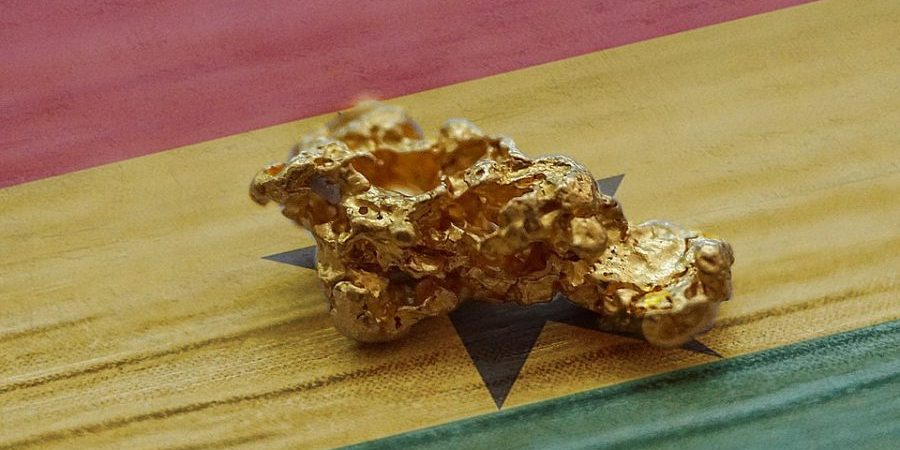
Small-scale miners become Ghana’s biggest gold producers
Artisanal and small-scale mining has evolved from a largely informal activity into the country’s fastest-growing gold segment.
In 2025, the sector produced a record 104 metric tonnes of gold, overtaking large-scale mining companies for the first time and reshaping one of Africa’s most important mining industries.
That milestone reflected years of government efforts to improve oversight, expand formal trading channels and capture export revenues that had previously been lost through illegal mining and cross-border smuggling.
Gold remains Ghana’s largest export and one of its most important sources of foreign exchange, making the sector critical to public finances, investor confidence and currency stability.
DON'T MISS THIS: Africa’s biggest gold producer tightens grip on bullion with new 30% state buying rule
According to Gyamfi, artisanal mining generated nearly $11 billion in foreign exchange earnings last year, surpassing the roughly $9 billion contributed by large-scale mining companies.
Gold remains central to Ghana’s economic recovery
The mining sector has become increasingly important as Ghana rebuilds its economy following the severe debt crisis that pushed the country into default in 2022.
Since securing a $3 billion International Monetary Fund support programme, the government has pursued fiscal reforms, debt restructuring and policies aimed at rebuilding investor confidence, stabilising the cedi and restoring foreign exchange reserves.
Strong gold exports have been central to that recovery.
Higher bullion prices over the past two years have boosted export receipts, strengthened government revenues and helped ease pressure on Ghana’s external accounts, making gold one of the country’s most valuable economic assets.
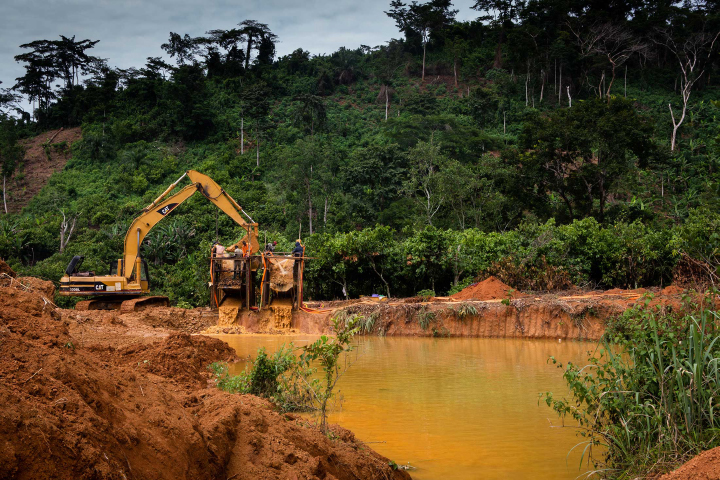
Lower prices pose a challenge, but outlook remains strong
Although international gold prices have retreated from recent highs, GoldBod believes export earnings will remain resilient.
Gyamfi said lower bullion prices have reduced revenue expectations compared with the agency’s earlier projections.
DON'T MISS THIS: Africa's top gold producer's output hits historic 6 million ounces
However, he noted that average gold prices remain above 2025 levels, meaning Ghana is still expected to generate higher export earnings this year than it did last year despite the recent pullback in prices.
Why investors should watch Ghana
Ghana’s latest production figures offer more than just another mining update.
They demonstrate how formalising artisanal mining can transform an industry long associated with illegal production and smuggling into a major source of economic growth, foreign exchange and government revenue.
The country’s experience is increasingly attracting attention across Africa, where governments are seeking ways to maximise returns from mineral resources while tightening oversight of informal mining activities.
Countries including Mali, Tanzania, Burkina Faso and the Democratic Republic of Congo are also reviewing policies aimed at improving transparency and capturing more value from their mineral wealth.
If Ghana surpasses last year’s record, it will further cement its position as Africa’s largest gold producer and reinforce the growing role of artisanal mining in the continent’s mining economy.
The performance also sends a broader message to investors: despite softer gold prices, demand for the precious metal and sustained production growth continue to underpin one of Africa’s most important export industries, providing a crucial source of foreign exchange at a time when many emerging economies remain vulnerable to external shocks.