The Stock Exchange Hotel, Manchester, Hotel Review
The Stock Exchange Hotel is a luxury hotel that reconnects guests with Manchester's forgotten age of confidence. The post The Stock Exchange Hotel, Manchester, Hotel Review appeared first on The Travel Magazine.
 Black News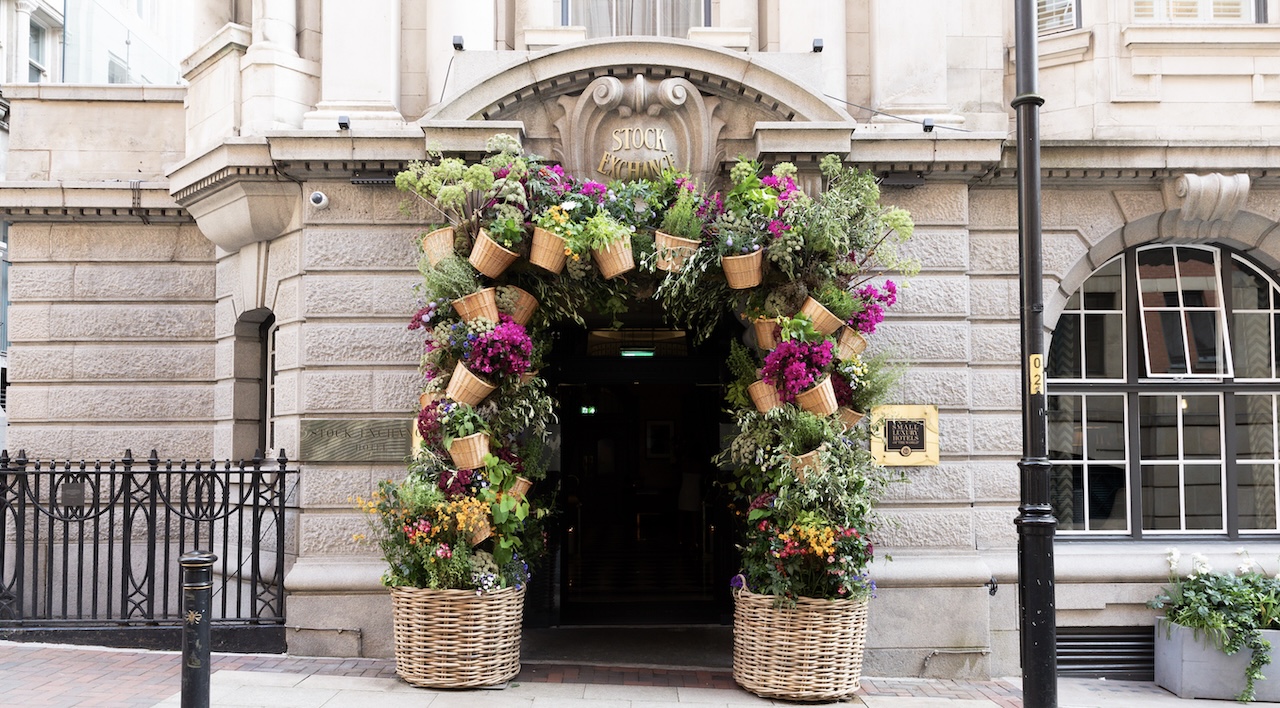
Manchester has spent so long being associated with its counterculture – Oasis, The Haçienda, football, warehouses turned bars, industrial grit polished into cool 0 that it’s easy to forget it was once one of the wealthiest cities in the world.
Beyond the rain-soaked terraces and red-brick warehouses lies another Manchester: a city built not on cultural resistance but extraordinary commercial success. During the nineteenth and early twentieth centuries, cotton flowed through its warehouses and money through its institutions. Entire districts were constructed with the confidence of a city that believed the future belonged to it.
 As Manchester increasingly behaves less like a regional city and more like a capital in its own right – with embassies, major cultural institutions and now even a Prime Minister – that original vision is coming back into sharp focus.
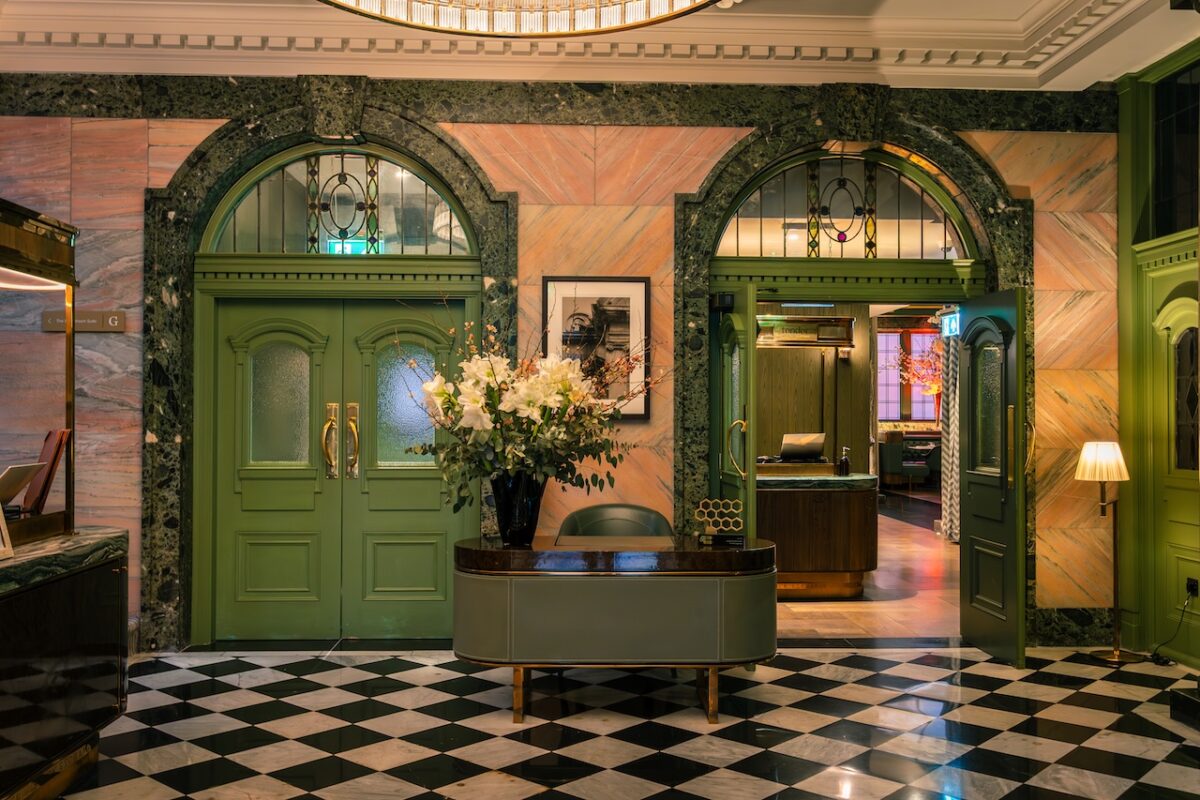
The Stock Exchange Hotel fits squarely within this renaissance. Occupying the former Manchester Stock Exchange, a magnificent Edwardian Baroque landmark completed in 1904, it allows guests to experience the city not as observers but from within one of the institutions that helped shape it. The result is a hotel rooted in its surroundings, deriving its character directly from Manchester rather than importing a generic idea of five-star luxury.
Who Comes Here
The obvious guests are business travellers, theatre-goers and weekend visitors looking for somewhere central. But we also spotted John Cooper Clarke, the bard of Salford, enjoying his breakfast, so you may encounter one or two Manchester legends too.
 Rooms That Let The Building Take Centre Stage
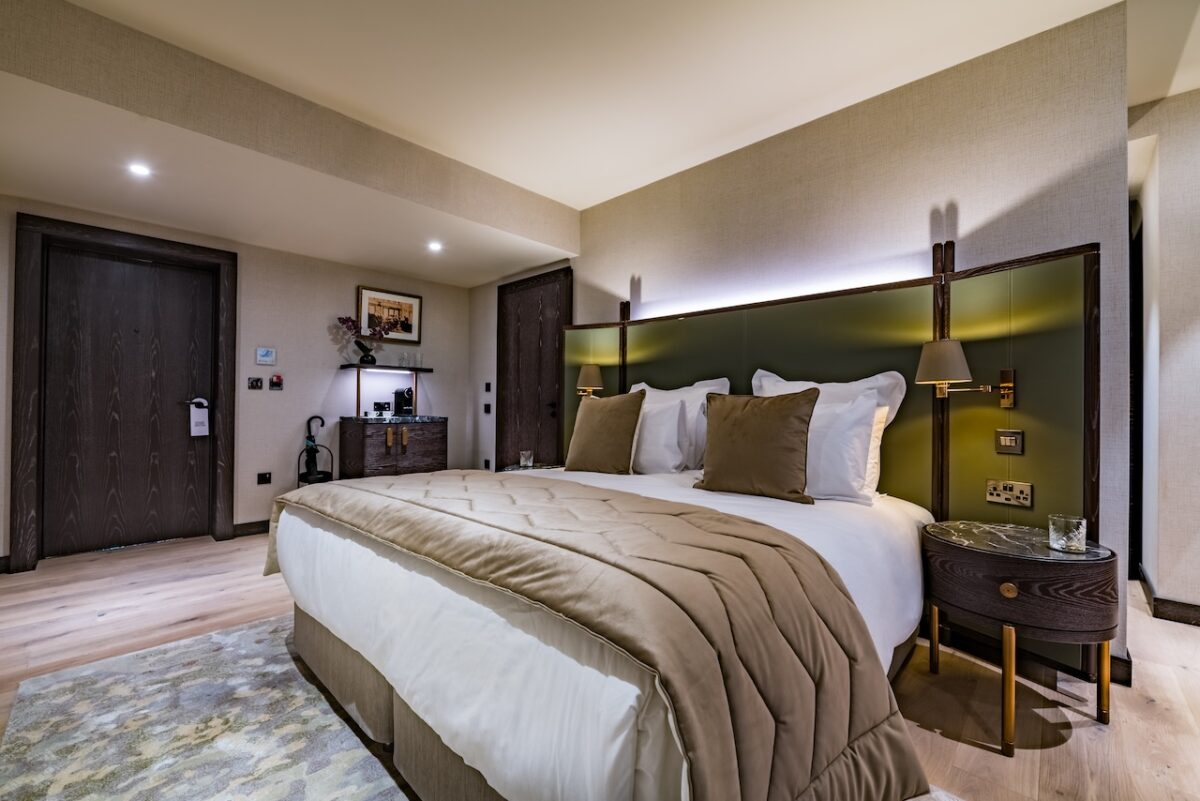
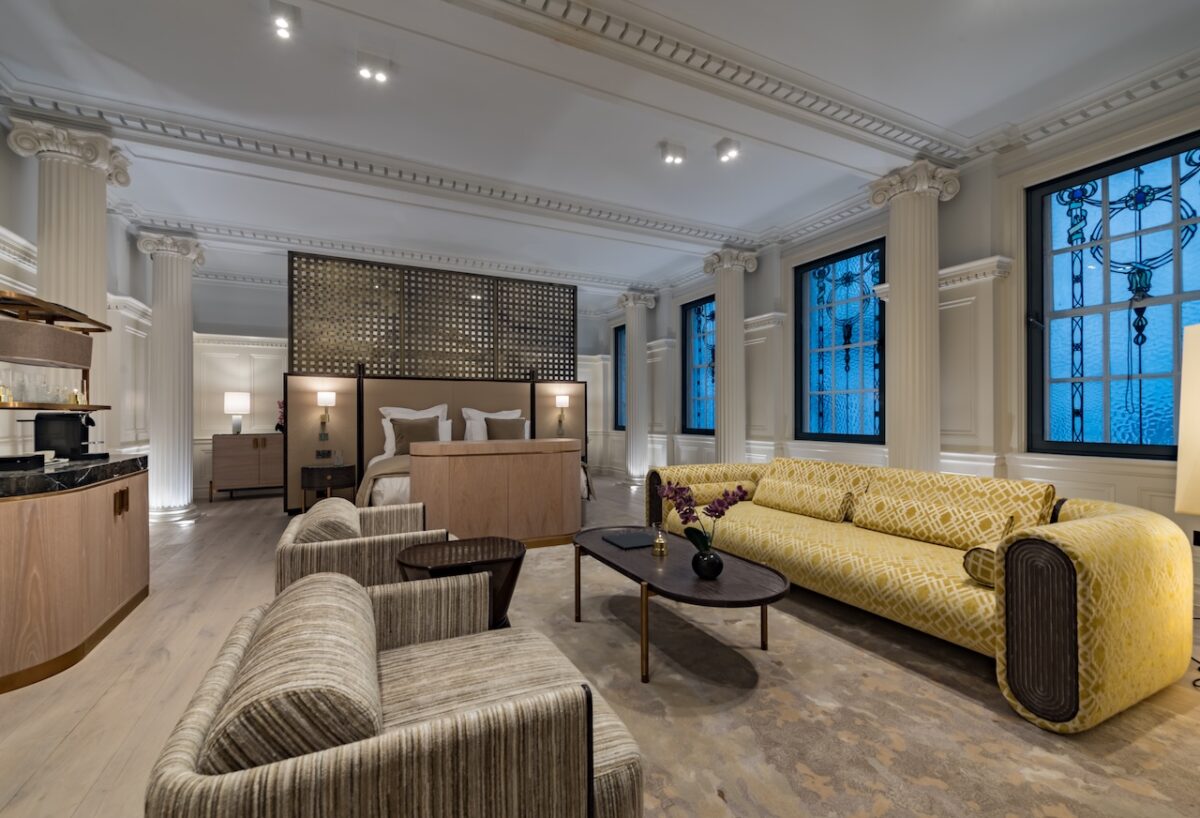
The guestrooms adopt a notably different tone from the grand public spaces below. While the building celebrates marble, brass and soaring Edwardian drama, the rooms are deliberately restrained. Contemporary furnishings, muted colours and generous bathrooms create an atmosphere focused on comfort rather than spectacle.
It’s a wise decision. Attempting to replicate the grandeur downstairs would risk tipping into pastiche. Instead, the rooms provide a calm retreat while letting the building remain the star.
 Dining On The Trading Floor
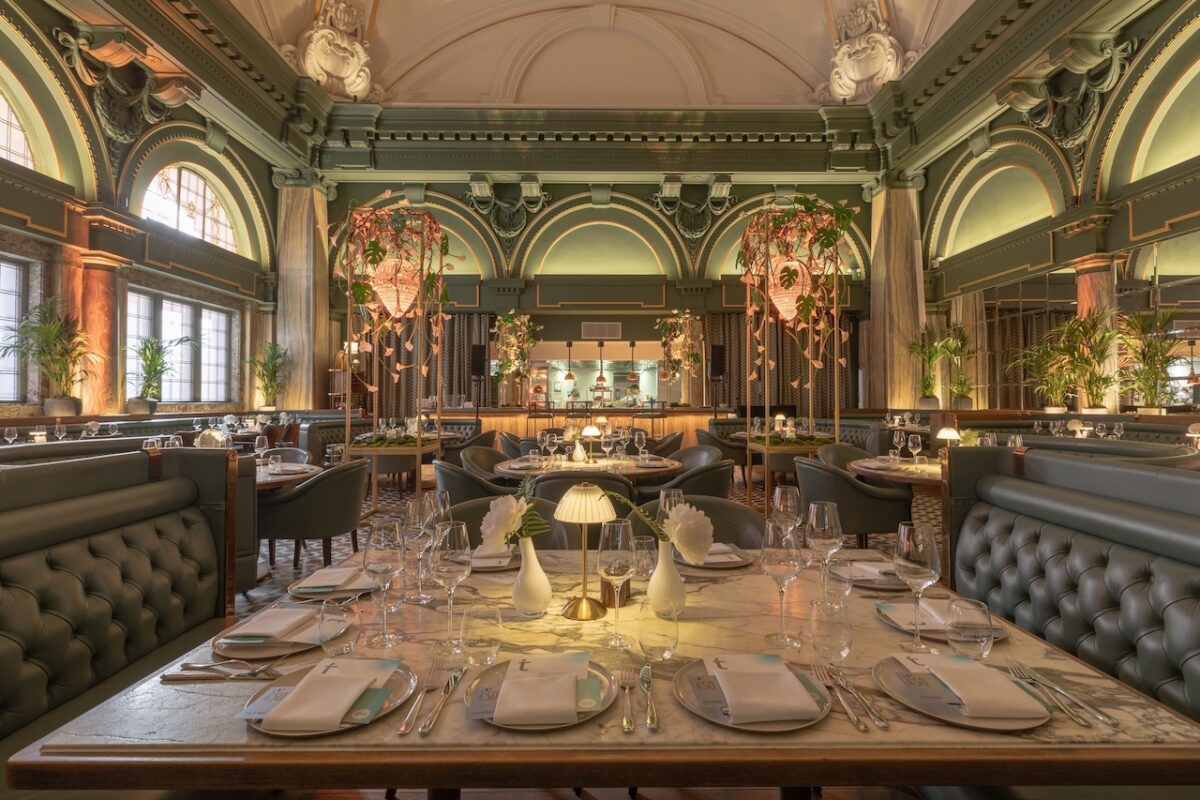
The hotel’s strongest asset may be Tender, led by Michelin-starred chef Niall Keating. Located within the beautifully restored former trading hall of the Stock Exchange, dining here comes with a constant awareness of the room itself. The lofty proportions and restored architectural details create an atmosphere few contemporary restaurant designers could hope to replicate, precisely because it was never designed as a restaurant.
Fortunately, the food rises comfortably to the occasion. Keating’s cooking emphasises precision and exceptional ingredients without disappearing into culinary self-importance. A Cornish lobster salad delivered quiet bites of luxury, while an 8oz steak was transformed by a rich bone marrow sauce.
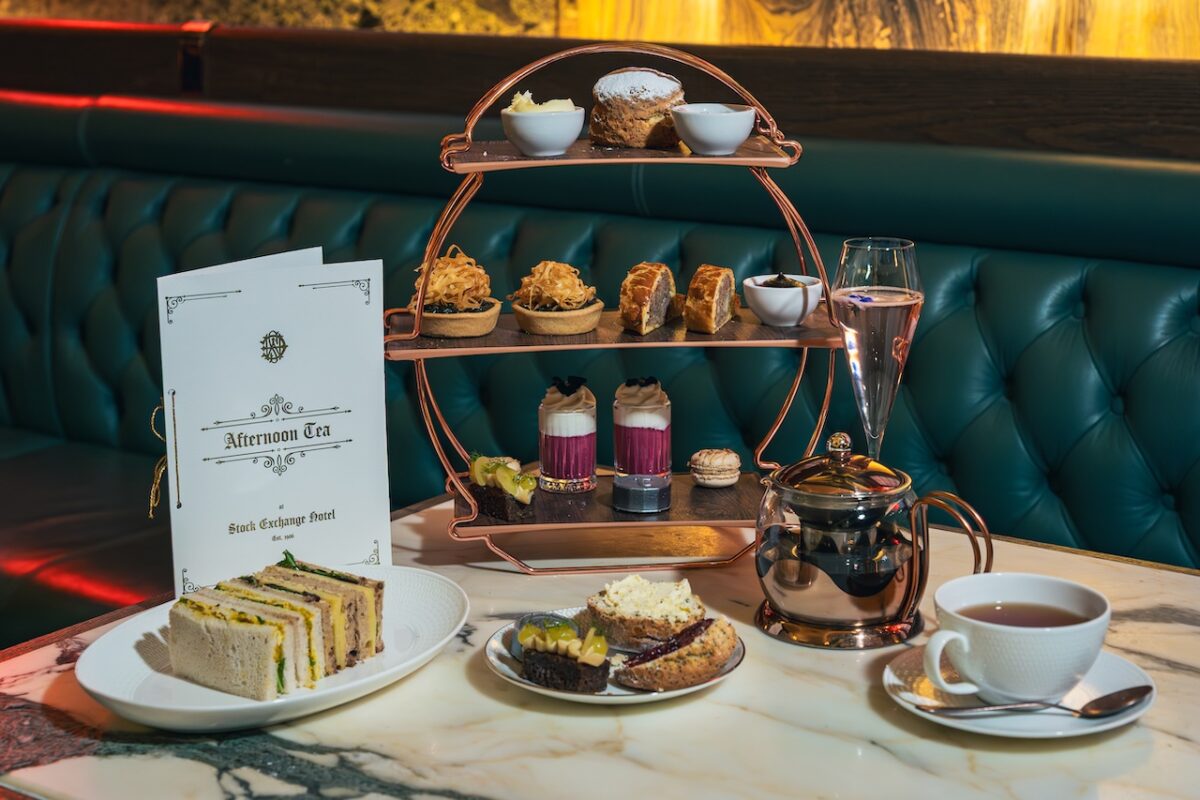
Afternoon tea similarly benefits from its surroundings. There is something appropriately British about taking tea inside a building once devoted to commerce and industry. What could easily feel performative instead feels entirely at home.
 Sterling: A Hidden Treasury Beneath The City
After the formal grandeur of Tender, Sterling reveals Manchester’s more intimate side.
Located below ground, the cocktail bar occupies a moodier world of dark woods, soft lighting and polished service, creating the impression you’ve discovered one of the city’s best-kept secrets. The improvised Yuzu Negroni and off-menu Sidecar were both superb, while the alcohol-free Salsa did that rare thing: proving alcohol-free needn’t mean joy-free.
Live musicians perform Mancunian classics throughout the week, although our evening provided the one bum note of the stay, with several Smiths, Oasis and Happy Mondays songs receiving rather more force than finesse.
 What’s Nearby
Potential hangovers aside, few Manchester hotels offer a better base for exploring the city on foot. Many of the city’s principal attractions, restaurants, galleries and theatres lie within easy walking distance, while nearby Metrolink stops place the wider metropolitan area effortlessly within reach. It’s the sort of location that rewards aimless wandering before returning to one of the city’s grandest addresses.
Verdict
Many luxury hotels work overtime to create a sense of place. The Stock Exchange Hotel possesses one naturally.
Its history is not an ornamental backdrop but the foundation of the entire experience. From cocktails in Sterling to dinner in the former trading hall of Tender, guests are continually reminded they are inhabiting a small piece of Manchester’s commercial history. It invites visitors to rediscover Manchester not simply as the birthplace of Britpop and footballing folklore, but as one of the great mercantile capitals of the modern world—and quietly demonstrates that, in many respects, the city has never entirely stopped being one.
The post The Stock Exchange Hotel, Manchester, Hotel Review appeared first on The Travel Magazine.