Sudan’s fragile fight against famine faces new threat as Gulf conflict drives up farming costs
Sudan’s battle against famine is facing a dangerous new setback as rising fuel and fertiliser costs linked to disruptions in the Gulf threaten to undermine food production in a country already devastated by war and shrinking humanitarian aid.
 Black News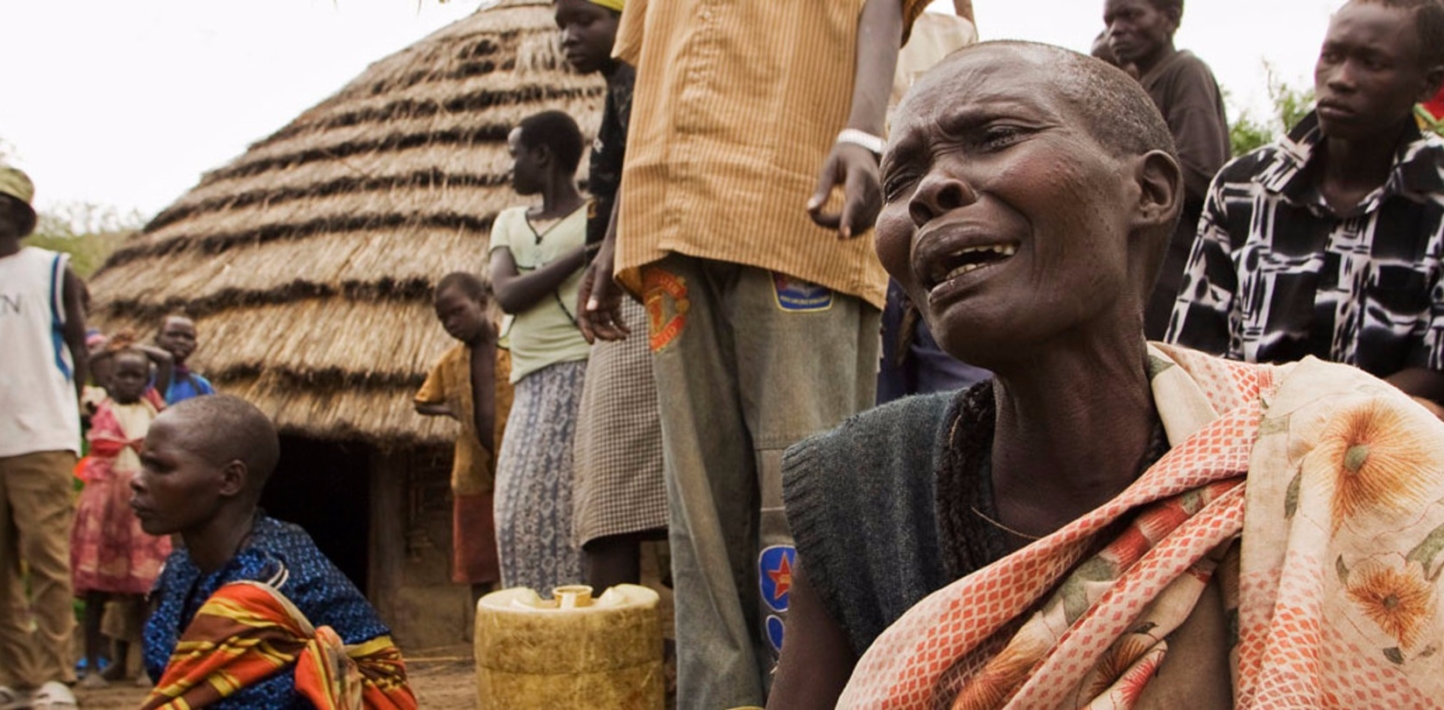
![The World Food Programme says millions of Sudanese continue to face severe food insecurity[amnestyinternational]](https://ocdn.eu/pulscms/MDA_/4a4a0dbfc5c4b2808534922f4578010a.jpg)
Sudan’s battle against famine is facing a dangerous new setback as rising fuel and fertiliser costs linked to disruptions in the Gulf threaten to undermine food production in a country already devastated by war and shrinking humanitarian aid.
- The World Food Programme warns Sudan is at risk of sliding deeper into hunger despite recent gains against famine.
- Fighting, a $646 million aid funding gap and rising farming costs are threatening food production and humanitarian operations.
- The agency says more than 100,000 people remain in famine-like conditions, while nearly 19.5 million face acute food insecurity.
- Disruptions to fuel and fertiliser supplies linked to conflict in the Gulf are adding fresh pressure to one of the world’s worst humanitarian crises.
The World Food Programme (WFP) warned on Tuesday that Sudan risks sliding deeper into hunger as conflict, a widening funding shortfall and higher agricultural costs combine to reverse recent progress made in reducing famine conditions.
The warning highlights how geopolitical tensions beyond Sudan’s borders are increasingly affecting food security in one of the world’s most vulnerable countries.
Disruptions to shipping routes and energy supplies are driving up the cost of essential farm inputs just as Sudan enters a critical planting season.

Millions remain on the brink
Although humanitarian agencies have managed to reduce the number of people living in famine-like conditions, Sudan remains the world’s largest humanitarian crisis.
According to the WFP, around 19.5 million people face acute food insecurity, while about 5 million are experiencing emergency or catastrophic levels of hunger.
More than 100,000 people remain in famine-like conditions, the highest level under the Integrated Food Security Phase Classification (IPC), a globally recognised system used to assess hunger crises.
DON'T MISS THIS:Canada commits $120million to Sudan as war, famine and displacement spiral
“It’s a massive crisis, both in terms of numbers, but also the gravity,” Carl Skau, the WFP’s acting Executive Director, told Reuters.
“With these kinds of numbers in IPC Phase 5 starvation, it is extremely, extremely serious.”
Aid cuts deepen the crisis
The humanitarian response is also coming under growing financial pressure.
The WFP says it has reduced the number of people receiving food assistance from 5 million a year ago to about 3.5 million because it faces a $646 million funding gap following cuts by major donors, including the United States, Britain and several European governments.
The agency has also reduced food rations in some areas, including Tawila in Darfur, raising concerns that vulnerable communities could face worsening hunger if additional funding does not materialise.
“We’re not heading in the right direction here,” Skau said. “If anything, we are falling backwards.”
Fighting continues to block aid
The conflict between Sudan’s army and the Rapid Support Forces (RSF), now in its fourth year, has displaced millions of people and devastated much of the country’s economy.
Recent fighting around al-Obeid in North Kordofan raised fears that the city could face conditions similar to al-Fashir, where prolonged fighting has trapped civilians and severely restricted humanitarian access.
Although violence around al-Obeid has eased in recent days, offering hope that aid deliveries could expand from 100,000 to 250,000 people, renewed clashes in Darfur have forced the closure of the Tine border crossing with Chad, disrupting one of the main humanitarian supply routes into the region.
DON'T MISS THIS: Brutal UN budget cuts threaten humanitarian aid across crisis-ridden regions in Africa
Why the Gulf matters to Sudan
The WFP also warned that higher diesel prices and fertiliser shortages linked to disruptions in the Gulf could further weaken Sudan’s food production during the current planting season.
Sudan depends heavily on imported fertiliser from Gulf countries, while much of its agricultural sector relies on diesel-powered irrigation pumps.
Rising fuel costs could make it too expensive for many farmers to cultivate their land, increasing the risk of lower harvests and deeper food shortages later in the year.
Why it matters
Sudan’s crisis illustrates how regional conflicts and global supply chain disruptions can worsen humanitarian emergencies far beyond the battlefield.
DON'T MISS THIS: Sudan hunger crisis deepens as nearly 20 million face acute food shortages amid war
For Africa, the implications extend beyond Sudan. The continent remains heavily dependent on imported fuel, fertiliser and humanitarian assistance, making many countries vulnerable to external shocks.
As aid budgets shrink and supply costs rise, governments and relief agencies are likely to face increasing pressure to protect food systems already strained by conflict, climate change and economic instability.