Black Women Were Once Forced To Nurse Other People’s Babies. Now We’re Reclaiming Breastfeeding On Our Own Terms: 6 Things To Know
August is National Breastfeeding Month, so understanding the advantages, obstacles, and available resources can help Black women make informed decisions that are right for themselves and their babies. The post Black Women Were Once Forced To Nurse Other People’s Babies. Now We’re Reclaiming Breastfeeding On Our Own Terms: 6 Things To Know appeared first on MadameNoire.
 Black News

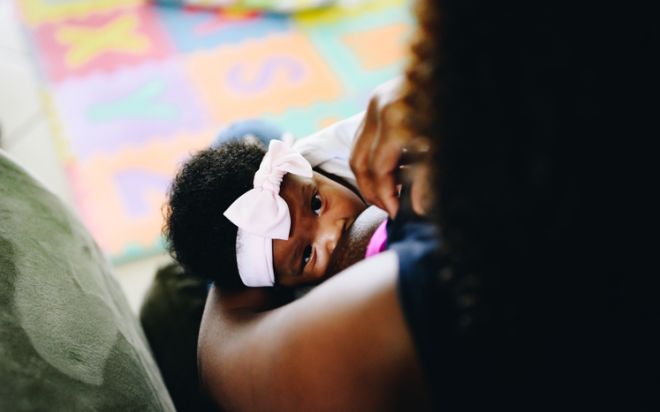
August is National Breastfeeding Month, established nationally in 2011 by the United States Breastfeeding Committee as a time dedicated to raising awareness about the benefits of breastfeeding, promoting support for breastfeeding families, and highlighting the myriad factors that can challenge the ability to breastfeed, in some cases making it impossible.
For many Black women, breastfeeding is about much more than simply feeding our babies. It is a deeply personal journey that connects us to our children, culture, and the generations of women who came before us. At the same time, breastfeeding can come with unique challenges, including limited access to lactation consultants and breastfeeding support services, shorter maternity leave periods, historical trauma, and social stigma, in addition to persistent racial bias and inequities in healthcare, resulting in lower breastfeeding rates among Black mothers compared to other racial and ethnic groups in the United States.
As a first-time mother of a soon-to-be 15-month-old toddler, I breastfed my daughter for nearly nine months, so I know firsthand the rollercoaster that is the breastfeeding journey. The oxytocin-filled highs from an intimacy unlike anything else in this world. The pride and gratification of leaving the doctor’s office and being told your baby has reached their weight gain goal. The indescribable joy you feel from the touch of your baby’s hand against your bosom as you pridefully provide them with nature’s most priceless “liquid gold.”
And then, there are also the lows, which are bountiful, unlike your milk supply. For example, even though you only went to sleep an hour ago, or in many cases, you are still up! Waking up at 4 a.m. to pump because, as the pediatrician informed you, your levels of prolactin, the hormone that helps your body produce milk, are highest at this time. The involuntary and intense irritation that possesses your entire being every time your spouse asks, “How much did you pump?” because after an hour of your nipples being tugged at more than a Stretch Armstrong doll, you only produced four ounces of milk, which your daughter quickly devoured before you’ve even reattached the flap of your oh-so-sexy nursing bra.
In short, breastfeeding is not for the faint of heart. Whether it comes easily for you or requires patience and persistence, every mother’s experience is valid and exclusively her choice to make. Therefore, understanding the advantages, obstacles, and available resources can help Black women make informed decisions that are right for themselves and their babies.
Here are six important points every woman needs to know about breastfeeding.
RELATED CONTENT: ‘Geriatric’ Or Not, I’m A Muva — Pregnancy Over Age 40 Is On The Rise & Has Never Looked Better [Op-Ed]
National Breastfeeding Month! From Rihanna To Cardi B — 20 Celebrity Moms Who Proudly Shared Their Breastfeeding Journeys
The post Black Women Were Once Forced To Nurse Other People’s Babies. Now We’re Reclaiming Breastfeeding On Our Own Terms: 6 Things To Know appeared first on MadameNoire.