President Boakai Cuts Salary by 40% Amid Economic Crisis
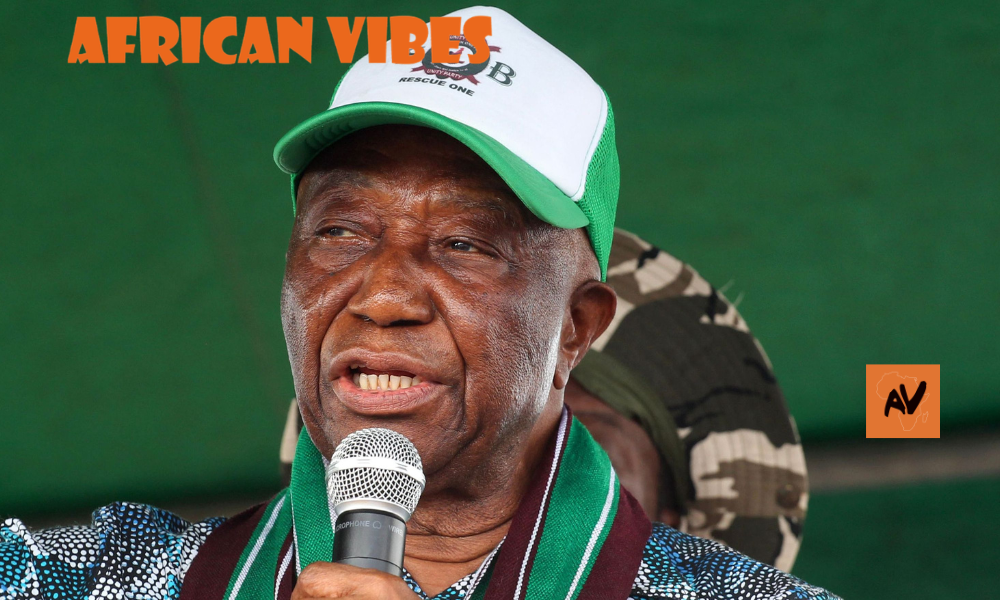
In an era where executive perks often balloon alongside national debt, Liberian President Joseph Boakai has taken a sharp turn. By voluntarily slashing his annual salary from roughly $13,400 to $8,000, Boakai now takes home approximately $667 per month. In a nation where over 20% of the population survives on less than $2 a day, [...]
 Black News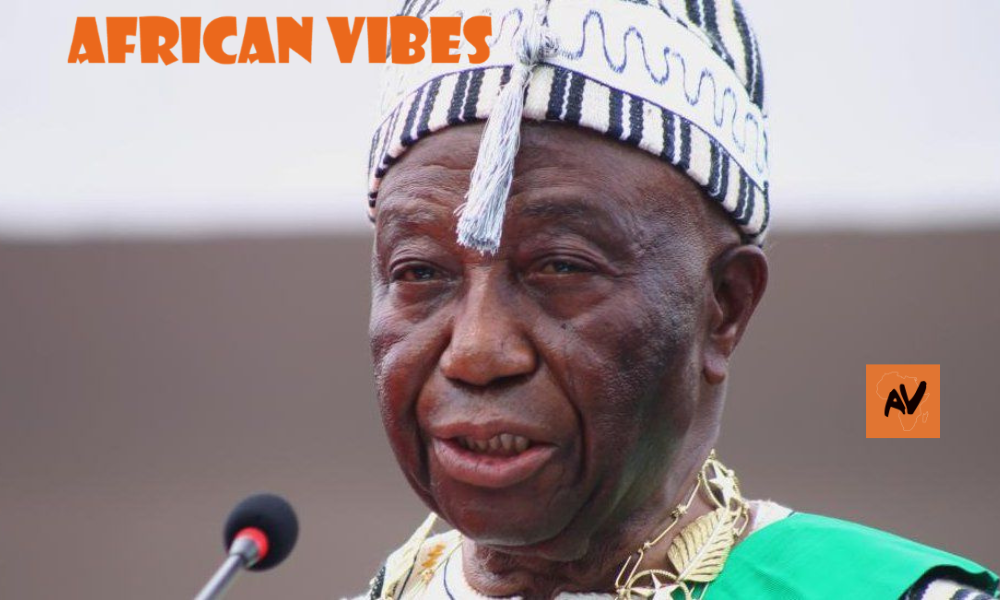
In an era where executive perks often balloon alongside national debt, Liberian President Joseph Boakai has taken a sharp turn. By voluntarily slashing his annual salary from roughly $13,400 to $8,000, Boakai now takes home approximately $667 per month. In a nation where over 20% of the population survives on less than $2 a day, the optics are undeniable.
But as the headlines settle in 2026, a polarizing question remains: Is this a genuine act of solidarity or a polished piece of political theater? While the move signals a shift in the ARREST (Agriculture, Radios, Roads, Education, Sanitation, and Tourism) agenda, its true value lies in whether it can bridge the gap between symbolic leadership and systemic economic recovery.
A Legacy of “Sacrifice”
Boakai’s move didn’t happen in a vacuum. Upon his inauguration in early 2024, he inherited a Liberia grappling with post-civil war debt and soaring inflation. His predecessor, George Weah, famously took a 25% pay cut early in his term—a move that eventually lost its luster as allegations of corruption dogging his administration mounted.
Boakai’s 40% cut is an attempt to go further, framing his presidency as one of “austerity and accountability.” It is a calculated response to a public weary of officials who live in luxury while the national infrastructure crumbles under a $45 million health and infrastructure deficit.
The Case for Real Leadership: Setting the Tone
Proponents argue that leadership is, at its core, about setting a precedent. Boakai’s cut has already triggered a “trickle-down” effect of accountability:
- Peer Pressure: High-ranking officials, including the Minister of Commerce, have felt the public heat to pledge similar reductions.
- Institutional Integrity: The cut is paired with an empowerment of the Liberia Anti-Corruption Commission (LACC) and mandatory asset declarations for all executive appointees.
- Revenue Growth: Early data suggests a $235 million uptick in revenue collection as the administration cracks down on waste, lending some weight to the idea that the “man at the top” is serious about every dollar.
The Case for Political Theater: Looking at the Fine Print
Critics, however, point to the math. While a 40% cut sounds massive, the absolute savings—roughly $5,400 a year—is a rounding error in a national budget exceeding $800 million.
- The “Perks” Loophole: The cut applies only to the President’s basic salary. His office budget, which covers travel, security, and medical expenses, remains in the millions.
- Legislative Resistance: Under the 1986 Constitution, the Legislature holds the power of the purse. Without their buy-in, Boakai’s personal savings may sit in a limbo account rather than being redistributed to schools or hospitals.
- Distraction Factor: Some view the move as a “smoke screen” to distract from the slow pace of civil service wage harmonization and legislative gridlock.
African Leadership: A Comparative Snapshot
How does Boakai stack up against his peers? The trend of “salary sacrifice” is becoming a staple of African crisis management.
| Leader | Country | Gesture | Outcome |
| Joseph Boakai | Liberia | 40% Cut | High symbolic value; mixed systemic impact. |
| George Weah | Liberia | 25% Cut | Initial praise; overshadowed by later scandals. |
| Cyril Ramaphosa | South Africa | Austerity calls | Stalled by powerful public sector unions. |
| Bola Tinubu | Nigeria | “Sacrifice” rhetoric | Met with skepticism amid 30%+ inflation. |
ALSO READ: From Mines to Minds – How Botswana Turned Diamond Wealth into Human Capital
A Necessary Spark, Not a Final Solution
Is Boakai’s 40% salary cut enough? No. A national economy cannot be balanced on the back of one man’s paycheck.
However, as a political signal, it is invaluable. It robs corrupt officials of their “moral high ground” and provides a benchmark for civil society to demand more. For this to move from “theater” to “transformation,” we must see the Legislature follow suit and a transparent reallocation of these funds into the supplementary health budget.