Building smarter, faster, better: Why businesses are turning to pre-engineered construction
In today’s fast-moving economy, the biggest cost in construction is no longer just materials it is time. As industries expand and demand for infrastructure grows, developers are increasingly abandoning slow, conventional building methods in favour of faster, more efficient alternatives. At the centre of this shift is Uganda Baati, which is revamping its SAFBUILD pre-engineered […] The post Building smarter, faster, better: Why businesses are turning to pre-engineered construction appeared first on Daily Star.
 Black News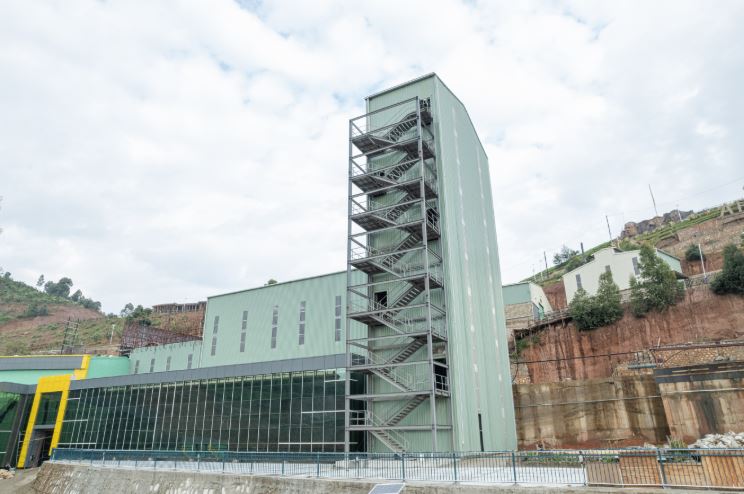
In today’s fast-moving economy, the biggest cost in construction is no longer just materials it is time. As industries expand and demand for infrastructure grows, developers are increasingly abandoning slow, conventional building methods in favour of faster, more efficient alternatives.
At the centre of this shift is Uganda Baati, which is revamping its SAFBUILD pre-engineered building (PEB) solution—a modern construction approach tailored to meet the needs of a rapidly evolving market.
For decades, brick-and-mortar construction has been the default across Uganda. But while familiar, it comes with a significant drawback: time. Projects can take anywhere between six months and two years to complete, exposing developers to fluctuating material costs, labour inefficiencies, and delayed returns on investment. Pre-engineered buildings are offering a stark contrast.
SafBuild structures, for instance, can be completed in as little as 12 weeks—dramatically reducing project timelines and enabling businesses to begin operations much sooner.
“In construction, time is money. Every extra month spent building is a missed opportunity to start generating value,” Uganda Baati’s chief executive officer said.
Unlike conventional methods, pre-engineered buildings rely on a streamlined, technology-driven process. Structures are designed digitally using precision engineering software, components are fabricated in controlled factory environments, and the entire building is delivered as a ready-to-assemble kit.
This approach eliminates guesswork, reduces material waste, and ensures consistent quality from start to finish.
The rise of pre-engineered buildings is not just a local trend—it reflects a broader global shift. With the global PEB market projected to nearly double by 2030, businesses are increasingly embracing construction solutions that prioritise speed, cost-efficiency, and scalability.
Among the key advantages are significantly faster construction timelines, predictable costs, flexible designs, and long-term durability with minimal maintenance.
For developers, manufacturers, and investors, this translates into quicker occupancy, improved cash flow, and greater certainty in project delivery.
Across Uganda, pre-engineered buildings are already making a visible impact. SafBuild solutions have been deployed in a number of major projects, including industrial facilities such as the Inspire Africa Coffee Park, institutional developments like Mountains of the Moon University, and public infrastructure projects including Uganda Wildlife Authority visitor centres.
These developments highlight how modern construction methods can deliver high-quality infrastructure within significantly shorter timelines, supporting Uganda’s broader industrialisation agenda.
As urbanisation accelerates and demand for infrastructure continues to rise, the question is no longer whether to adopt new building technologies—but how quickly.
Pre-engineered buildings are emerging as a practical answer, offering a model that prioritises speed, efficiency, and long-term value.
“Construction is changing. Businesses today need solutions that save time, reduce costs, and deliver consistent quality,” the Uganda Baati CEO said. “Pre-engineered buildings are not just an alternative—they are the future of construction.”
The post Building smarter, faster, better: Why businesses are turning to pre-engineered construction appeared first on Daily Star.