
Canadian and European Travelers Are Driving the Dominican Republic’s Latest Tourism Boom
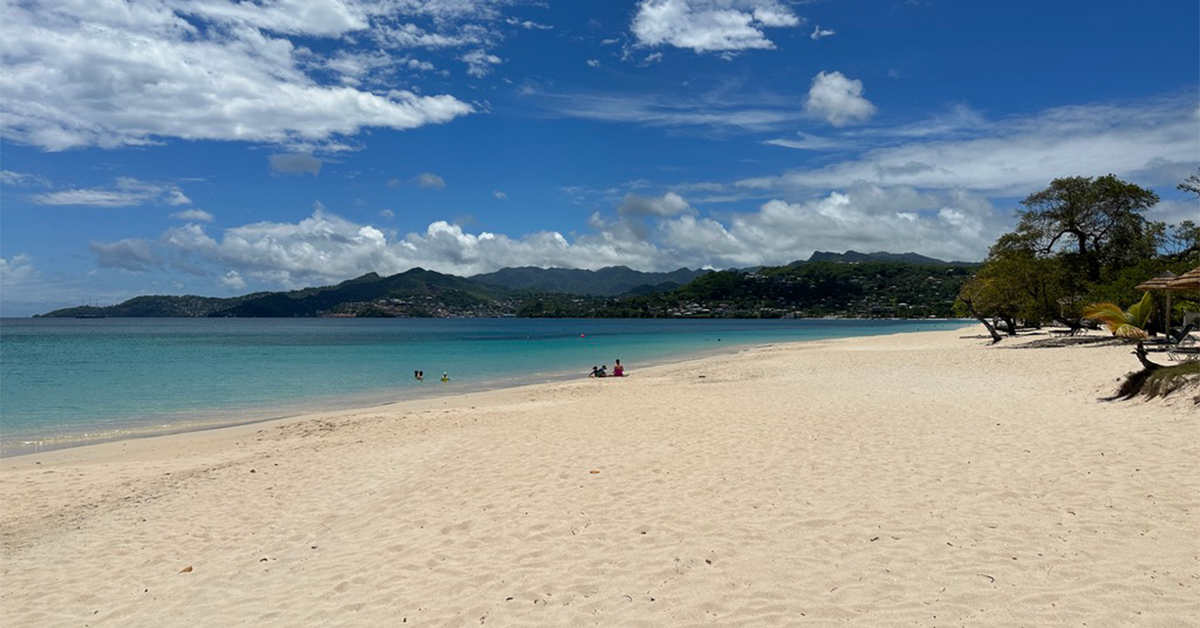
The beaches of Punta Cana extend for miles beneath rows of palms. In Puerto Plata, resorts look out toward the Atlantic with the mountains rising behind them. Farther south, Santo Domingo brings colonial streets, new hotels and one of the Caribbean’s busiest restaurant scenes into the same trip. Travelers from Canada and Europe are arriving across all of them in […] The post Canadian and European Travelers Are Driving the Dominican Republic’s Latest Tourism Boom appeared first on Caribbean Journal.
 Black News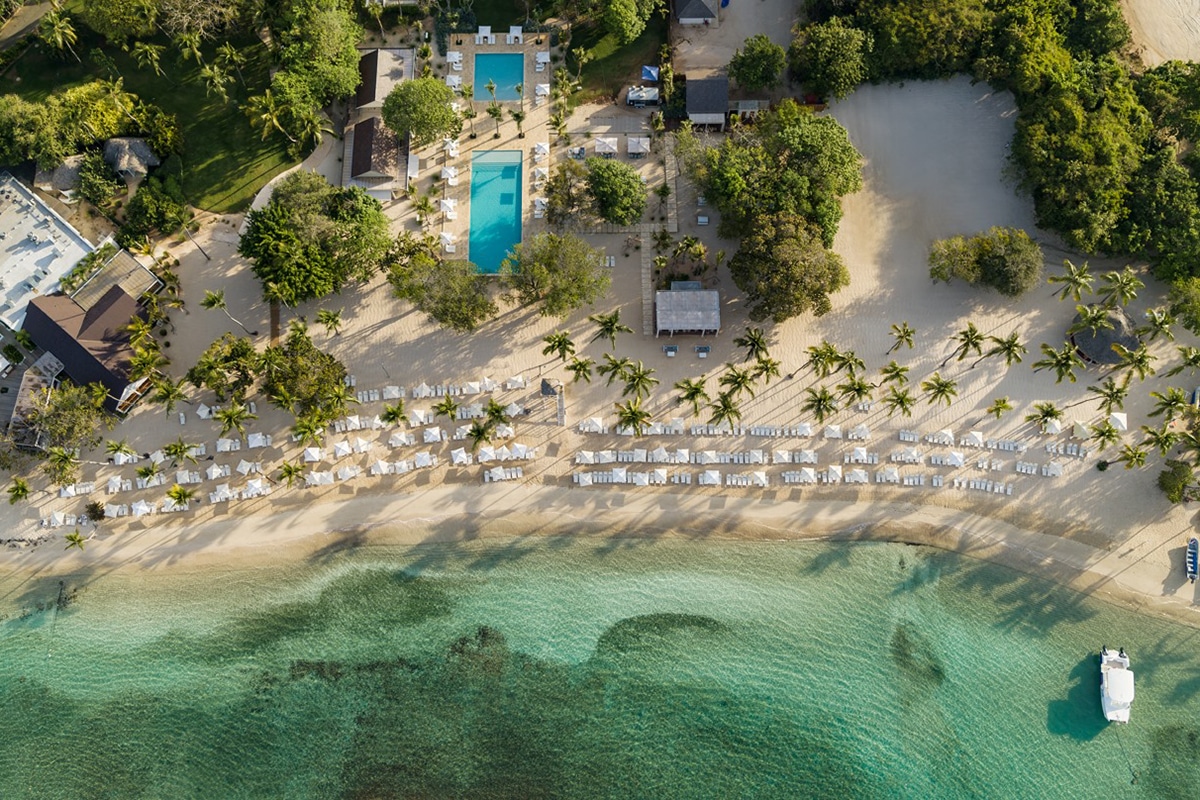
The beaches of Punta Cana extend for miles beneath rows of palms. In Puerto Plata, resorts look out toward the Atlantic with the mountains rising behind them. Farther south, Santo Domingo brings colonial streets, new hotels and one of the Caribbean’s busiest restaurant scenes into the same trip.
Travelers from Canada and Europe are arriving across all of them in growing numbers.
The Dominican Republic welcomed 465,868 Canadian visitors during the first quarter, a 13.3 percent increase compared with the same period last year, according to new data from the Caribbean Tourism Organization provided to Caribbean Journal.
Arrivals from Europe grew even faster. The country received 351,800 European travelers from January through March, representing a 14.8 percent jump.
Together, the two markets brought more than 817,000 visitors to the Dominican Republic in only three months, helping drive another strong tourism year for the Caribbean’s most-visited destination.
The figures show how widely the country’s tourism growth is spreading. The United States remains an essential source market, though Canada and Europe are providing another powerful layer of demand across the Dominican Republic’s resorts, cities and emerging destinations.
Canada’s Deep Connection to the Dominican Republic
Few Caribbean destinations have developed a relationship with Canadian travelers as extensive as the one between Canada and the Dominican Republic.
Nonstop flights connect cities across Canada with Punta Cana, Puerto Plata, Santo Domingo, La Romana and Samaná, particularly during the winter season. The network reaches beyond Toronto and Montreal, drawing travelers from communities across Ontario, Quebec, Atlantic Canada and Western Canada.
Punta Cana remains the center of the market. Its long beaches and large resort inventory have made the eastern Dominican Republic a dependable winter choice, particularly for travelers seeking direct flights and all-inclusive stays.
Canadian travelers are also venturing beyond the traditional resort corridors. Puerto Plata offers a different kind of Dominican vacation, with Atlantic beaches, Victorian architecture, cable-car views from Mount Isabel de Torres and easy day trips to places including Cabarete and Sosúa.
Samaná brings another landscape entirely. Coconut-covered hills descend toward quiet bays, while boats leave for Los Haitises National Park, Cayo Levantado and seasonal whale-watching excursions.
The 13.3 percent increase from Canada shows continued demand for the familiar all-inclusive experience alongside growing interest in the country’s smaller destinations.
Europe Is Growing Even Faster
The 14.8 percent increase in European arrivals is particularly notable for a destination located much closer to North America.
European travelers have long been central to the Dominican Republic’s tourism industry. Airlines connect the country with major gateways including Madrid, Paris, Frankfurt, London and Lisbon, bringing visitors to Punta Cana and Santo Domingo throughout the year.
Spain is especially important. Shared language, historical ties and extensive air service have helped make the Dominican Republic one of the most familiar long-haul Caribbean destinations for Spanish travelers.
The Madrid connection extends well beyond leisure traffic. It also supports business travel, family visits and onward connections from across Europe through one of the continent’s largest aviation hubs.
French, German, British, Italian and Portuguese travelers add another broad layer of demand. Many stay longer than visitors arriving from closer markets, dividing their vacations between beach resorts and cultural destinations.
A trip might begin with several nights in Punta Cana before continuing to Santo Domingo. Another may pair Bayahíbewith excursions to Saona Island, or combine the beaches of Samaná with time in the Colonial City.
The variety is becoming one of the Dominican Republic’s strongest advantages. A traveler can choose a vast all-inclusive resort, a smaller boutique hotel, a city stay or a vacation built around nature and local restaurants.
More Than Punta Cana
Punta Cana remains the country’s principal tourism hub, and its continued expansion is central to the latest growth.
Yet the Canadian and European numbers also arrive as the Dominican Republic develops a broader map of destinations.
Miches, on the northeast coast, is emerging as one of the country’s most closely watched resort areas. The region has broad beaches, forested hills and proximity to Laguna Redonda and Montaña Redonda, with several major international hotel brands opening properties nearby.
Pedernales, in the southwest, is at the center of a large tourism development initiative built around Cabo Rojo. The destination brings a remote, undeveloped landscape and places travelers within reach of Bahía de las Águilas, widely regarded as one of the country’s most beautiful beaches.
Santo Domingo is adding hotels and restaurants while major restoration work continues across the Colonial City. The capital offers a different reason to visit, drawing travelers interested in history, nightlife, food and contemporary Dominican culture.
The country’s tourism expansion increasingly connects these places rather than relying on a single resort district. More travelers are adding a second destination to their vacations or returning to explore another part of the country.
Casa de Campo and the La Romana Experience
The growth is reaching well beyond Punta Cana. In La Romana, Casa de Campo Resort & Villas continues to draw Canadian and European travelers looking for a more expansive resort experience built around golf, villas, boating and dining.
The 7,000-acre resort is home to three Pete Dye-designed golf courses, including Teeth of the Dog, along with a marina, equestrian center, shooting facility, private beaches and a broad collection of rooms and villas. Its villa inventory is especially well suited to families and groups planning longer stays, with private pools, full kitchens and golf carts for traveling around the property.
Dining is spread across the resort, from Mediterranean dishes at La Casita at the marina to Italian cuisine at La Piazzettain Altos de Chavón and contemporary Dominican cooking at Minitas Beach Club. The resort also provides a base for trips to Saona Island, Catalina Island and the beaches around Bayahíbe.
Casa de Campo gives the Dominican Republic another kind of international draw: a destination resort with enough depth to support repeat visits, extended vacations and travelers who want golf, boating and private-villa living in the same stay.
Why the All-Inclusive Model Still Works
The Dominican Republic’s all-inclusive industry remains one of the largest and most diverse in the Caribbean.
Properties range from family resorts with water parks and extensive activity programs to adults-only hotels, golf resorts and smaller luxury retreats. Newer resorts have added rooftop bars, swim-up rooms, private villas and restaurants built around more specialized culinary concepts.
Canadian and European tour operators have helped sustain the model by pairing airfare, airport transportation and accommodations into a single vacation.
The appeal remains straightforward. Travelers know the principal cost of the trip before they arrive, while resorts provide enough dining, entertainment and recreation to support a weeklong stay.
The format has also become more varied. A stay at a large Punta Cana resort can include golf, spa treatments, catamaran trips and dinners at multiple restaurants. Cap Cana offers luxury resorts near Punta Espada Golf Club, Juanillo Beachand the marina. Bayahíbe gives you a smaller beach community with nearby diving and regular boats to Saona Island.
A growing number of travelers are using an all-inclusive hotel as a base rather than remaining on the property for the entire vacation.
Airlift Is Supporting the Growth
The rise in Canadian and European arrivals depends heavily on the country’s extensive international flight network.
Punta Cana International Airport handles a vast number of leisure routes and charter services, giving tour operators and airlines the ability to draw passengers from multiple cities rather than a handful of major hubs.
Las Américas International Airport outside Santo Domingo supports the capital and the country’s large visiting-friends-and-relatives market. Airports serving Puerto Plata, Samaná and La Romana give travelers additional entry points closer to their hotels.
Canadian airlines and vacation companies routinely increase Dominican Republic service for the winter season. European carriers provide year-round and seasonal routes, with Punta Cana remaining one of the best-connected long-haul leisure airports in the Caribbean.
The breadth of the network helps protect the destination from depending too heavily on one country. When demand changes in a particular market, growth elsewhere can help sustain hotel occupancy and visitor spending.
The first-quarter CTO data show Canada and Europe rising at the same time, giving the country momentum from both sides of the Atlantic.
A Destination With Room to Expand
The Dominican Republic has spent years increasing hotel inventory while investing in airports, roads, cruise facilities and new tourism zones.
Its greatest advantage may be the amount of choice already available.
Families can choose large Punta Cana resorts built around pools, beaches and children’s programs. Couples can stay at adults-only properties in Uvero Alto or Cap Cana. Golfers can plan a vacation around courses designed by Pete Dye, Jack Nicklaus and Tom Fazio.
Travelers interested in culture can spend several days in Santo Domingo, visiting the first cathedral and some of the oldest European-built streets in the Americas. Adventure-focused trips can include surfing in Cabarete, hiking near Jarabacoa, canyoning at the 27 Waterfalls of Damajagua or exploring the mountains of the interior.
The country’s size allows its tourism industry to keep growing while offering experiences far beyond the traditional beach resort.
Canada and Europe are helping drive the latest chapter. More than 817,000 travelers from the two markets arrived during the first quarter, with both posting double-digit gains.
The numbers point toward another strong year, fueled by repeat visitors, expanding flight networks and a Dominican Republic increasingly capable of offering a different vacation each time you return.
The post Canadian and European Travelers Are Driving the Dominican Republic’s Latest Tourism Boom appeared first on Caribbean Journal.