Following the Floods: Elephant of the Okavango Delta
By Anna Songhurst The Okavango Delta of northern Botswana is one of Africa’s most pristine wetlands, a living system shaped by distant rains and delayed floods. Its waters rise in the Angola highlands before flowing south to form a vast inland delta that sustains an extraordinary diversity of life. It is this rare hydrological rhythm […] The post Following the Floods: Elephant of the Okavango Delta appeared first on Nomad Africa Travel & Magazine.
 Black News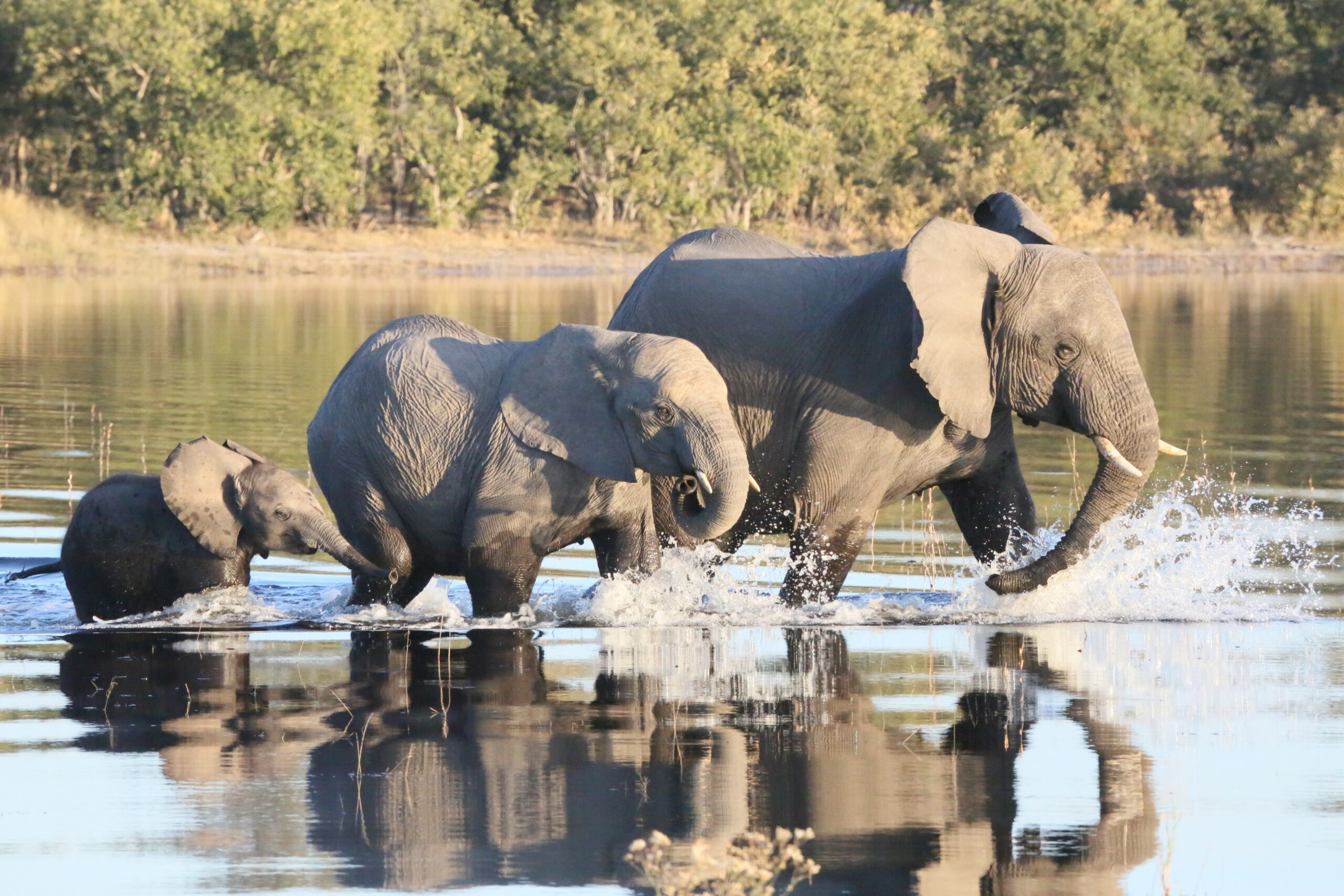
By Anna Songhurst
The Okavango Delta of northern Botswana is one of Africa’s most pristine wetlands, a living system shaped by distant rains and delayed floods. Its waters rise in the Angola highlands before flowing south to form a vast inland delta that sustains an extraordinary diversity of life. It is this rare hydrological rhythm that has earned the delta Ramsar status as a wetland of international importance, as well as recognition as a UNESCO World Heritage Site.
The delta is home to part of the largest contiguous population of elephants in Africa, estimated at around 227,900 individuals. These elephants range widely across northern Botswana and into neighbouring Angola, Namibia, Zambia, and Zimbabwe, moving through the interconnected landscapes of the Kavango Zambezi Transfrontier Conservation Area (KAZA TFCA). More than passive inhabitants, elephants actively shape this environment: Opening pathways, dispersing seeds, and influencing vegetation patterns that support countless other species.
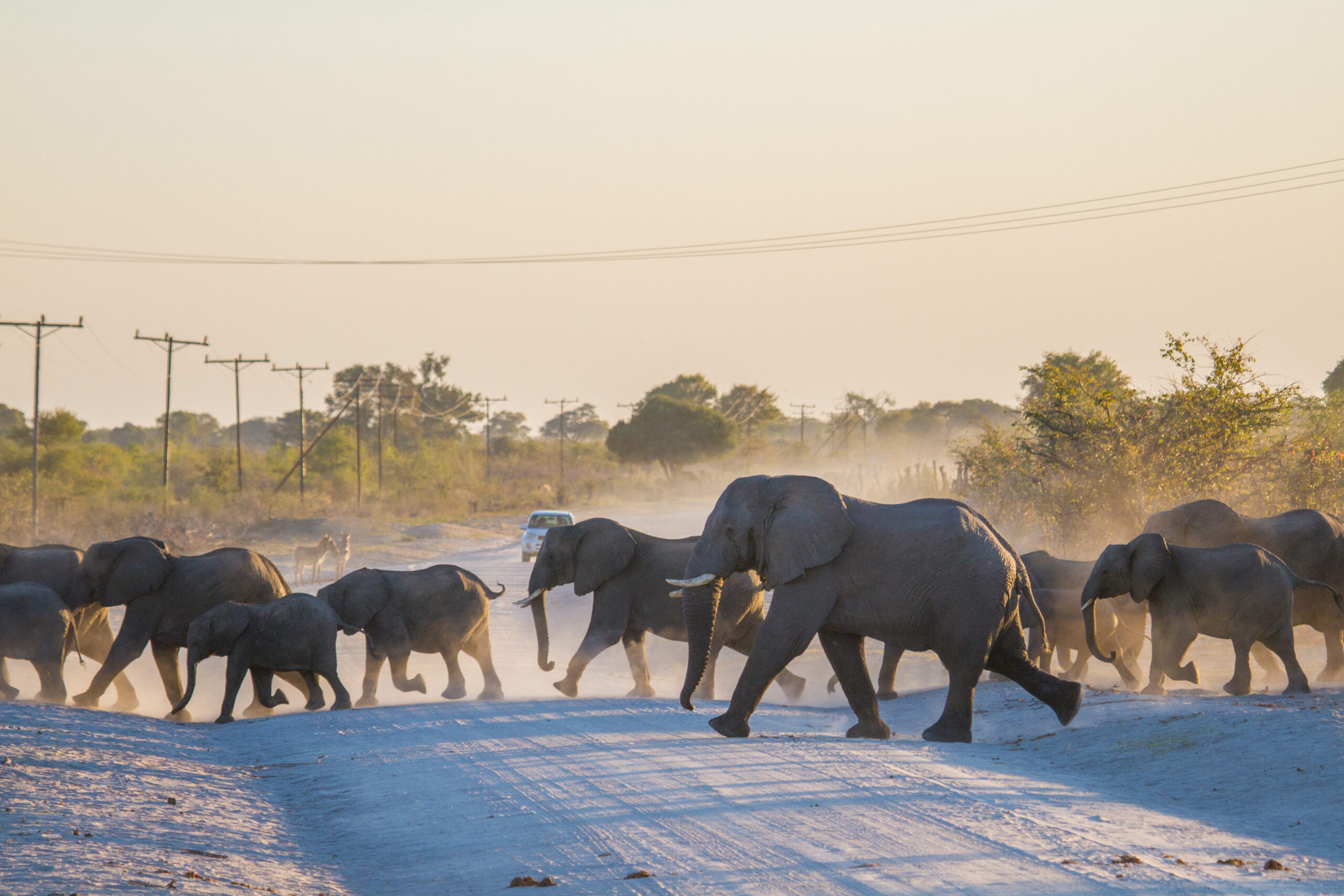
Elephant crossing, by Graham McCulloch
Each year, elephants move in and out of the delta in a seasonal cycle closely tied to water. During the rains, they disperse across drylands to access alternative grazing. When annual floods arrive, often months after rain has fallen upstream, they return in large numbers, drawn by reliable water, fresh grasses, and fruit. These movements are not random, but finely tuned responses to the delta’s unique ecology. Elephants follow distinct, time-worn pathways into the delta, routes passed down through generations. Many of these ancient corridors pass directly through areas where people live and farm, reflecting a long history of shared use of this landscape.
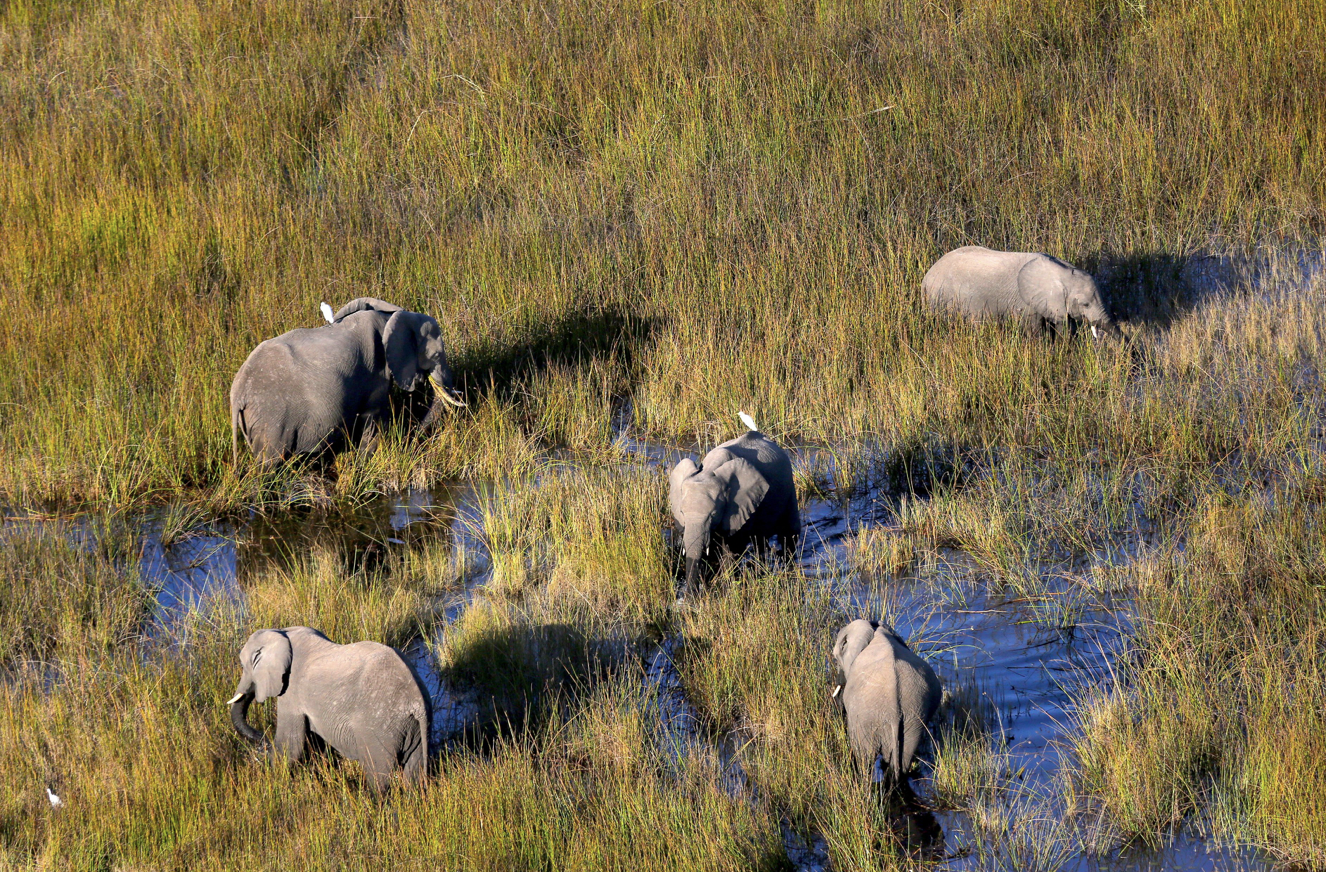
Elephants in the swamp, by Graham McCulloch
Communities have settled around the Okavango Delta for generations, relying on its resources for food, livelihood, and cultural identity. Most are subsistence farmers whose lives are closely aligned with seasonal cycles of water and soil fertility. When elephants move through these settled areas, the overlap of needs for land, water, and food can become intense, often leading to conflict. Human-elephant conflict arises from a complex web of social, ecological, political, and economic pressures, frequently compounded by tensions between people themselves. Land-use policies can place humans and elephants in direct competition for space, while growing populations, vulnerable crops, and limited access to benefits from wildlife deepen local risks. Together, these forces can shape negative attitudes towards elephants, even in regions where they have long been part of daily life.
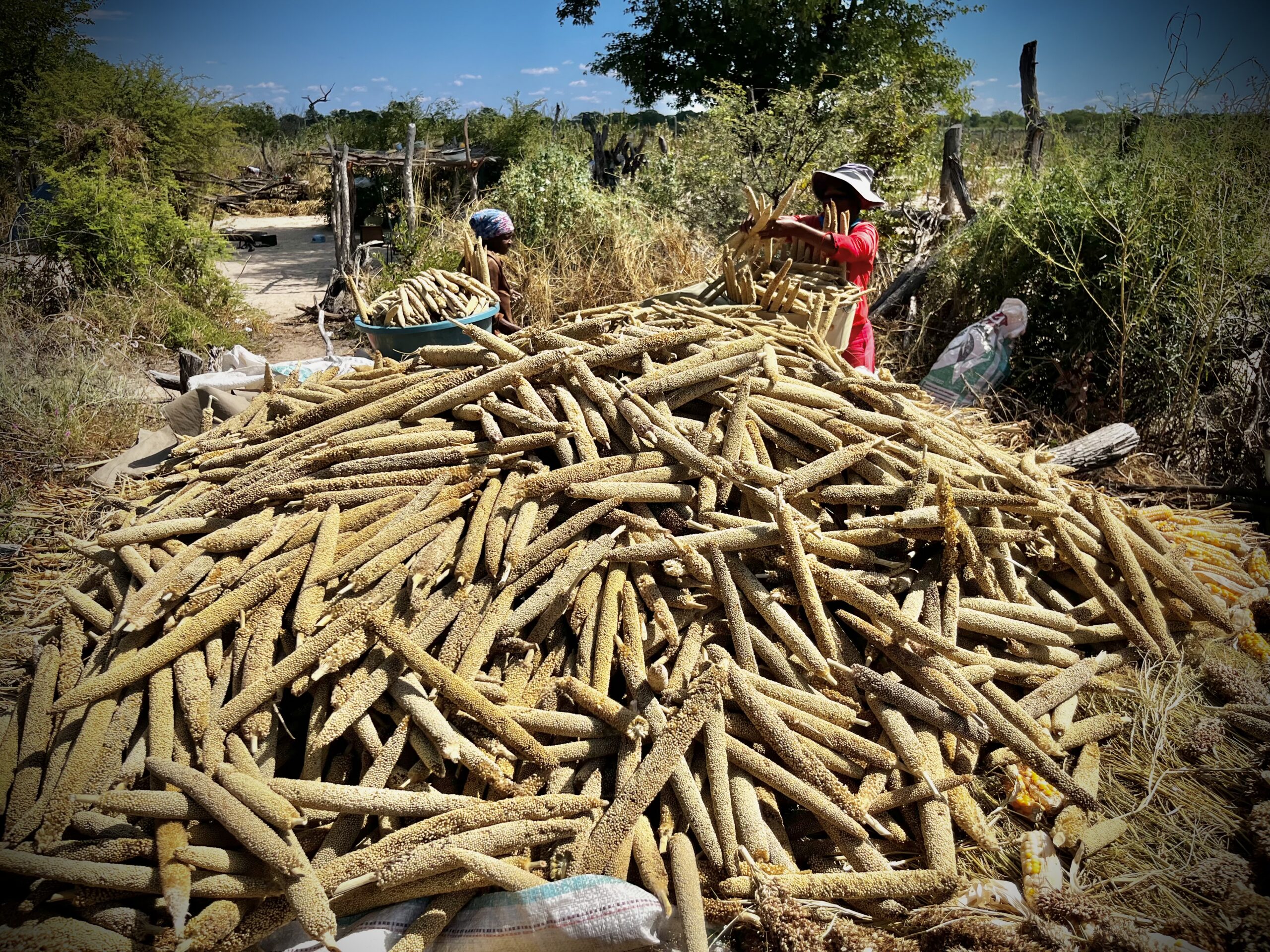
Elephant aware produce, by Graham McCulloch
Navigating human-elephant conflict is one of conservation’s most enduring challenges and demands a holistic approach. For more than a decade, the Botswana-based NGO Ecoexist Trust has worked through practical, affordable, and lasting solutions. In a landscape where competition for resources is high, Ecoexist works to enable shared space, keeping communities safe and food-secure while ensuring elephants retain access to critical habitat and movement corridors. Central to this approach is the belief that coexistence must deliver tangible benefits to the people who live alongside wildlife. As part of this work, Ecoexist supports elephant-themed enterprise development among communities surrounding the delta, offering capacity building, access to resources, market connections, and partnerships. This Elephant Aware Economy promotes sustainable, non-consumptive products and services linked to life with elephants, creating value from coexistence and reinforcing the idea that elephants are most valuable when they are alive and free to move across the landscape.
The post Following the Floods: Elephant of the Okavango Delta appeared first on Nomad Africa Travel & Magazine.