Fresh gold discovery in an East African country triggers government crackdown on illegal mining in a gold-rich community
In East Africa, a two-month gold rush in Uganda has ended in a government crackdown, as authorities suspended mining in Kayungwe to curb illegal operations, protect the environment and bring informal bullion activity under state control.
 Black News

In East Africa, a two-month gold rush in Uganda has ended in a government crackdown, as authorities suspended mining in Kayungwe to curb illegal operations, protect the environment and bring informal bullion activity under state control.
- Uganda has suspended gold mining in Kayungwe due to unlicensed activity, environmental damage, and health risks.
- The suspension follows a gold rush that saw residents abandon farming for informal mining, creating an unsanitary and hazardous settlement.
- The government insists artisanal miners must formalise operations under legal and safer conditions, encouraging cooperation and licensing.
- Gold has become Uganda's top export, but the ban in Kayungwe underscores the tension between economic growth and the need for stronger mining regulation.
Uganda’s Ministry of Energy and Mineral Development has halted gold mining operations in Kayungwe sub-county, Kanungu district, citing unlicensed activity, environmental degradation and public health risks, according to local reports.
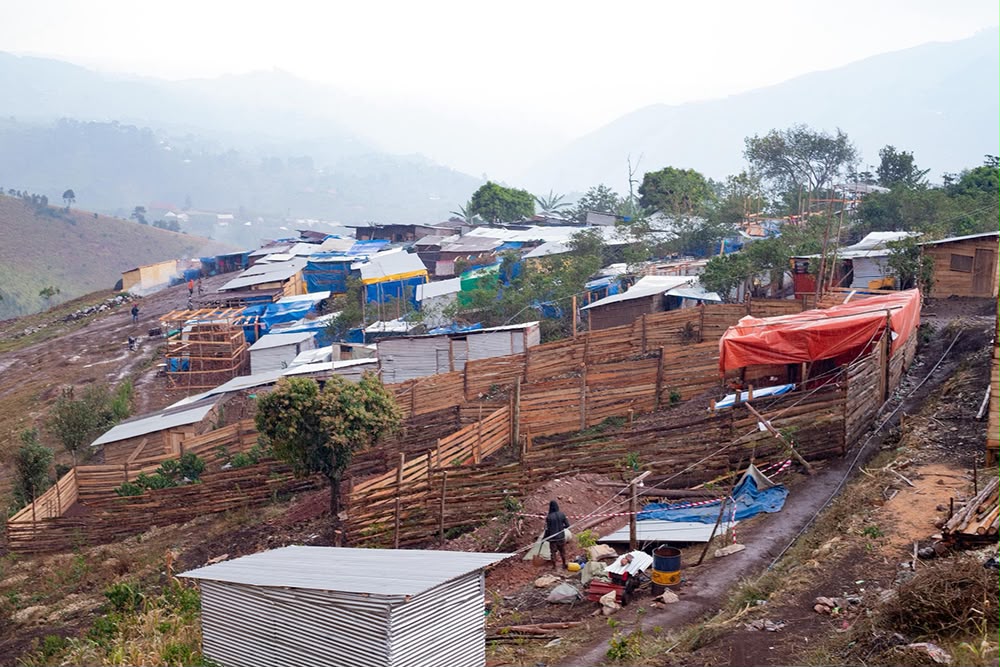
The move follows a two-month gold rush in Kanoni village, where hundreds of residents moved into a hilly area after reports of fresh gold deposits.
Subsequently, the site turned into an informal mining camp, with tents, makeshift shelters and iron-sheet structures erected without toilets, waste systems or basic environmental safeguards.
Local leaders had warned that the gold rush was hurting food security as residents abandoned farms for mining, while some children reportedly dropped out of school to join their parents at the site.
Uganda Moves To Rein In Artisanal Mining
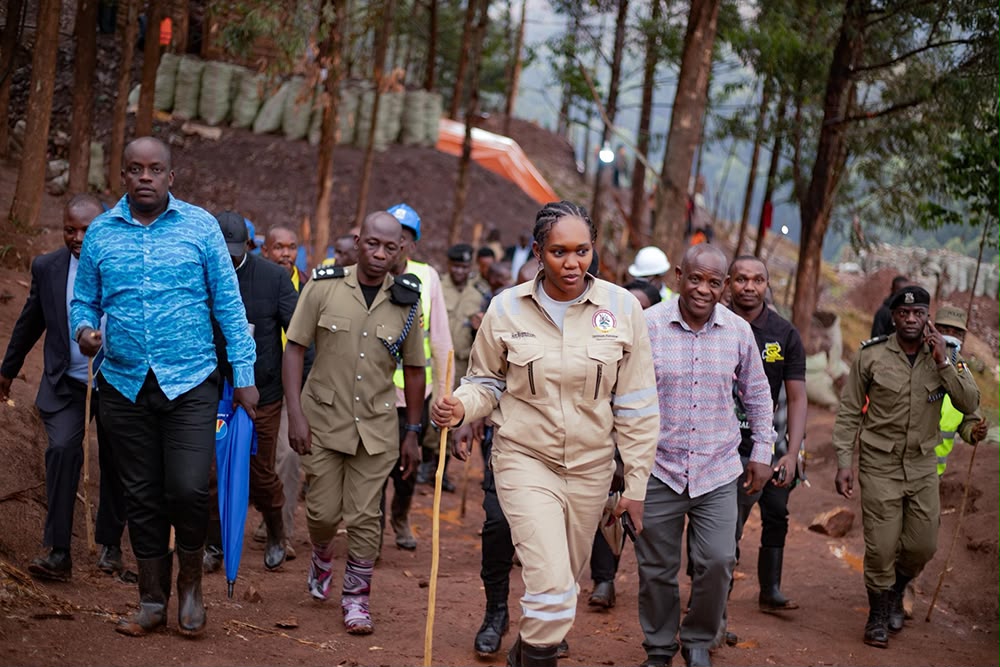
A team from Uganda’s Ministry of Energy and Mineral Development, led by State Minister for Minerals Phiona Nyamutoro, inspected the Kayungwe site last Thursday and told miners that the area falls under Exploration Licence EL00135, granted to Shiye Miners Company for mineral exploration.
Nyamutoro said the miners were operating illegally because they lacked the approvals required under the Mining and Minerals Act.
Consequently, she ordered an immediate suspension of mining activities at the site to allow the government to restore order and formalise artisanal mining.
However, she said the government was not opposed to artisanal mining, but wanted miners to operate within the law and under safer, more organised conditions.
"We want artisanal miners to benefit from Uganda's mineral wealth, but this must be done within the law. Organise yourselves into a cooperative, follow the legal procedures and government will guide you through the licensing process," she said.
Accordingly, the minister said the cooperative would give miners a recognised legal structure through which they could engage the government, access technical support, mobilise resources and improve accountability.
She added that ministry officials would continue engaging local leaders and miners during the registration process to guide them on the technical requirements for licensing.
Environmental And Health Concerns Mount
The suspension also follows complaints from neighbouring communities after residents of Rugyeyo sub-county and Nyakabungo Town Council petitioned district authorities on June 28, 2026.
They accused artisanal miners in Kayungwe of polluting water sources through poor waste disposal and mercury use, warning that the contamination threatened public health and the environment.
Meanwhile, Nyamutoro raised concern over poor public health conditions at the site, which lacked standard sanitation facilities, a health centre and first-aid services.
Kanungu Resident District Commissioner Ambrose Amanyire urged residents to comply with the directive, warning that anyone who trespasses on the licensed exploration area or resumes illegal mining would be arrested.
Gold Becomes More Important To Uganda
Uganda is not one of Africa’s largest gold producers by mined output, compared with countries such as Ghana, South Africa, Mali, Sudan and Burkina Faso. However, it has become an important East African bullion processing and trading hub.
Gold has overtaken coffee as Uganda’s biggest export and source of foreign exchange. In 2025, the country shipped bullion worth $5.8 billion, up from $3.3 billion in 2024, according to the Bank of Uganda.
Much of Uganda’s growing gold profile comes from refining and regional trade flows, including gold shipped from neighbouring countries.
The government has also pointed to domestic refining capacity and the launch of the Wagagai large-scale gold mining project as part of its wider industrialisation plan.
Against that backdrop, the Kayungwe suspension highlights the pressure facing Uganda as it seeks to grow its gold economy while tightening control over informal mining.