Global scramble for battery metals intensifies as U.S., Chinese firms target Zambia’s $10 billion critical minerals market
Rising global demand for battery metals is reshaping investment flows into Africa, with U.S. and Chinese mining firms rapidly expanding their presence in Zambia.
 Black News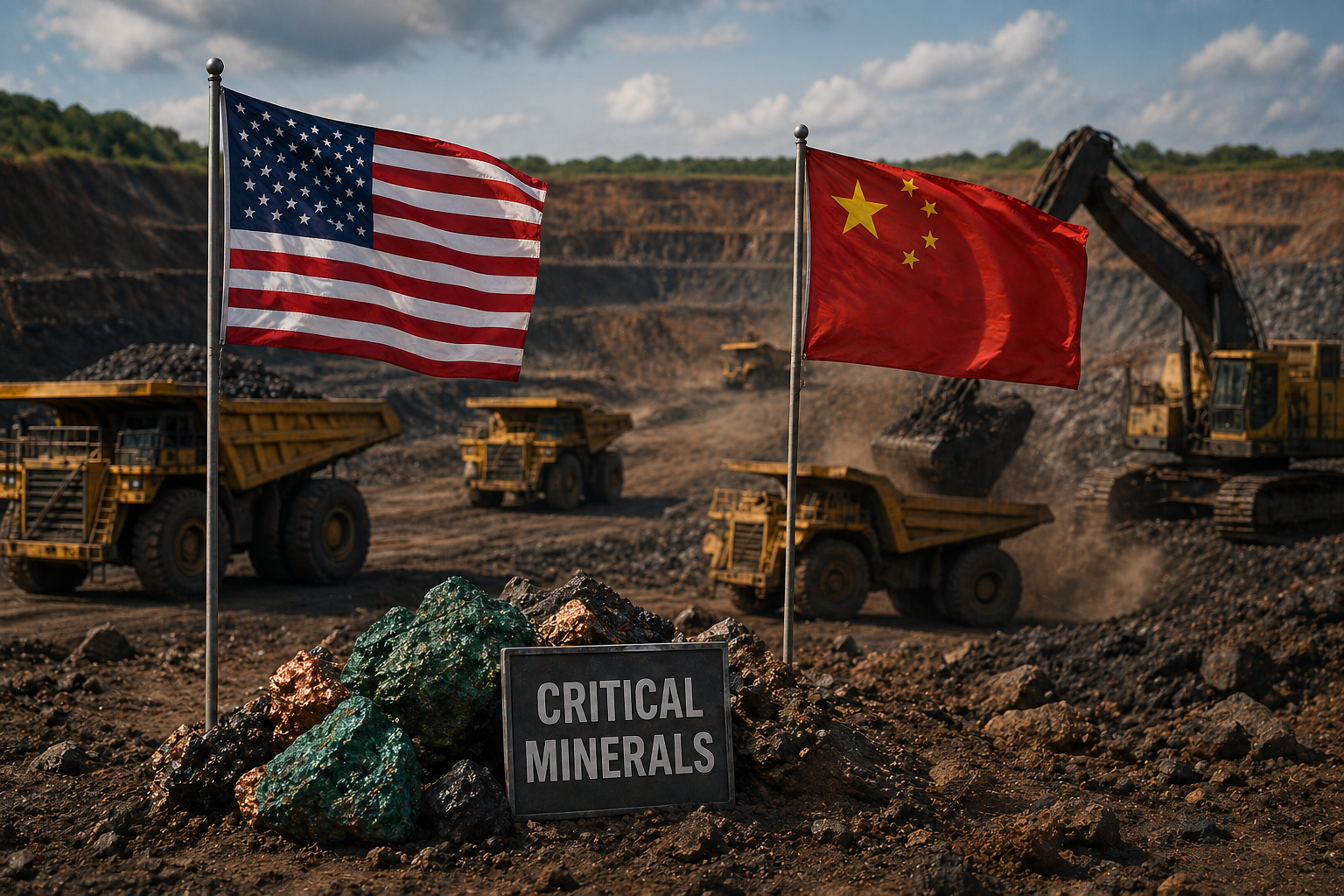


Rising global demand for battery metals is reshaping investment flows into Africa, with U.S. and Chinese mining firms rapidly expanding their presence in Zambia.
- Global demand for battery metals is driving significant U.S. and Chinese investment into Zambia's mining sector.
- About $10 billion has been invested in Zambian mining over the past four years, positioning the country at the center of the global race for battery metals.
- U.S.-backed KoBold Metals is developing the Mingomba copper project, a $2.3 billion mine expected to produce over 300,000 tonnes of copper annually.
- Chinese firm Cinfeng is planning to invest up to $40 million to revive the Munali Nickel Mine, which also contains copper, cobalt, and platinum group metals.
Zambia is emerging as a strategic frontline in the global race for critical minerals, with major U.S.-linked and Chinese-backed investments converging to reshape its mining sector, which has attracted about $10 billion in investment over the past four years, according to Mines Minister Paul Kabuswe.
This marks a significant acceleration compared to previous investment trends, positioning Zambia at the centre of the global race to secure battery metals
U.S.-backed KoBold Metals has officially broken ground on the Mingomba copper project, a $2.3 billion development set to become the country’s largest copper mine.
Backed by investors including Bill Gates and Sam Altman, the company is using artificial intelligence to identify and develop a previously undiscovered high-grade copper deposit.
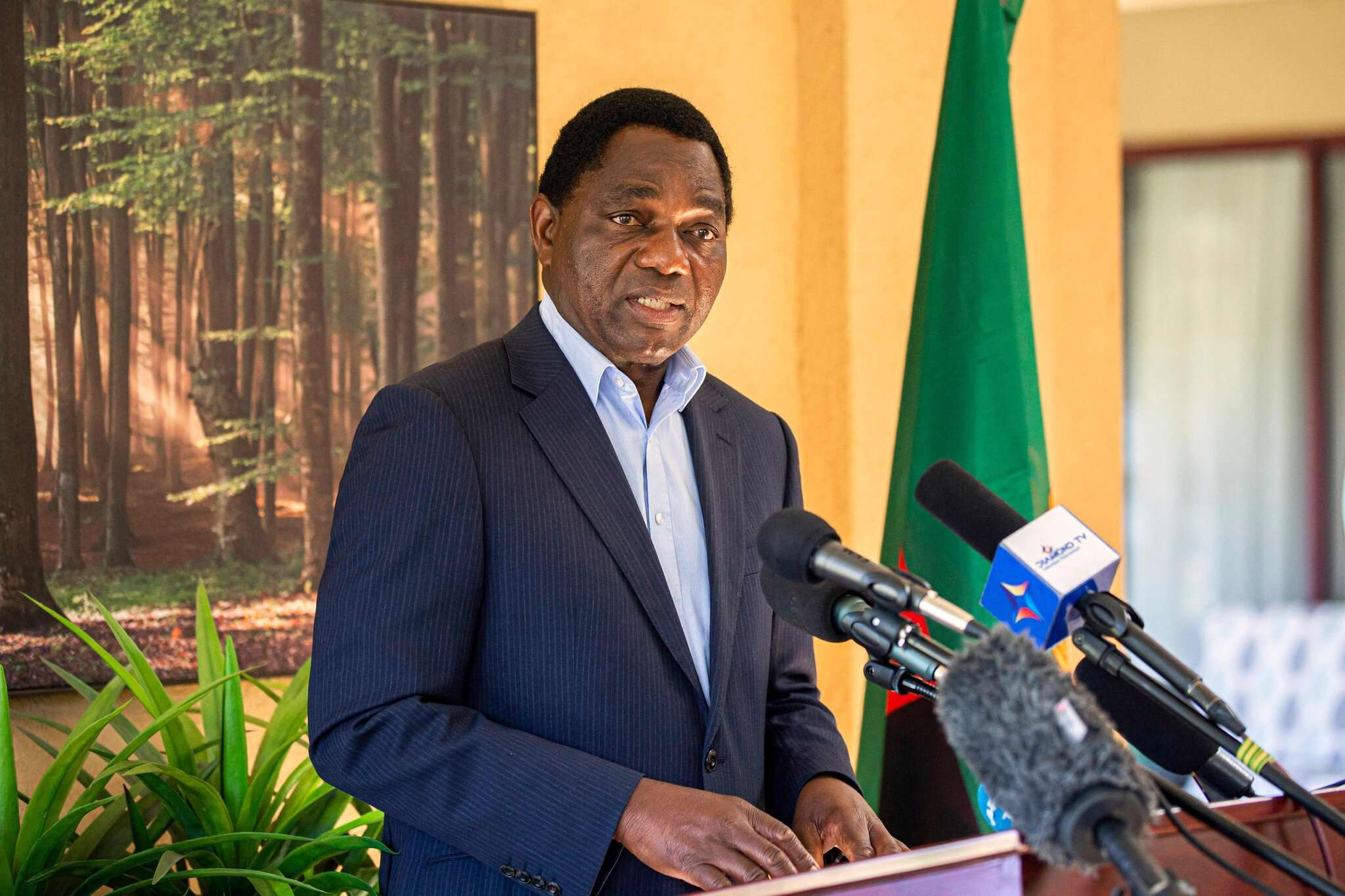
Once operational, Mingomba is expected to produce over 300,000 tonnes of copper annually, placing it among Africa’s top producers and supporting President Hakainde Hichilema’s goal to significantly ramp up national output.
However, the project also highlights the technical challenges of next-generation mining, with operations expected to reach depths of about 1,700 meters in one of the region’s wettest underground environments.
China revives strategic nickel asset as competition intensifies
Alongside this, China is advancing its footprint through renewed interest in Zambia’s nickel sector. Cinfeng Investment Limited Group has proposed an investment of up to $40 million to reopen the Munali Nickel Mine, located in southern Zambia’s Mazabuka District, near Lusaka.
The Munali project is a previously developed asset that has experienced multiple shutdowns due to fluctuating nickel prices and operational constraints. Beyond nickel, the mine hosts deposits of copper, cobalt, and platinum group metals, making it strategically important in the global shift toward electric vehicles and battery technologies.
Cinfeng is currently in talks with former operators, with no final agreement yet reached. However, the company has indicated readiness to deploy capital and machinery to restart production, with a focus on reviving jobs and output.
These parallel developments reflect a broader geopolitical contest between Washington and Beijing for control of Africa’s mineral supply chains.
Under Donald Trump, the U.S. has stepped up efforts to secure access to critical minerals, particularly in the Democratic Republic of the Congo, through a mix of commercial deals, diplomatic engagement, and sectoral partnerships extending into healthcare and infrastructure.
China, meanwhile, retains a significant lead, having spent decades embedding itself across Africa’s mining sector through financing, infrastructure development, and direct ownership of key assets.
As demand for copper, nickel, and other battery metals accelerates, Zambia is not only expanding its production capacity but also becoming a central arena in the intensifying global competition for strategic resources.